
Beautiful Plants For Your Interior
Beautiful Plants For Your Interior
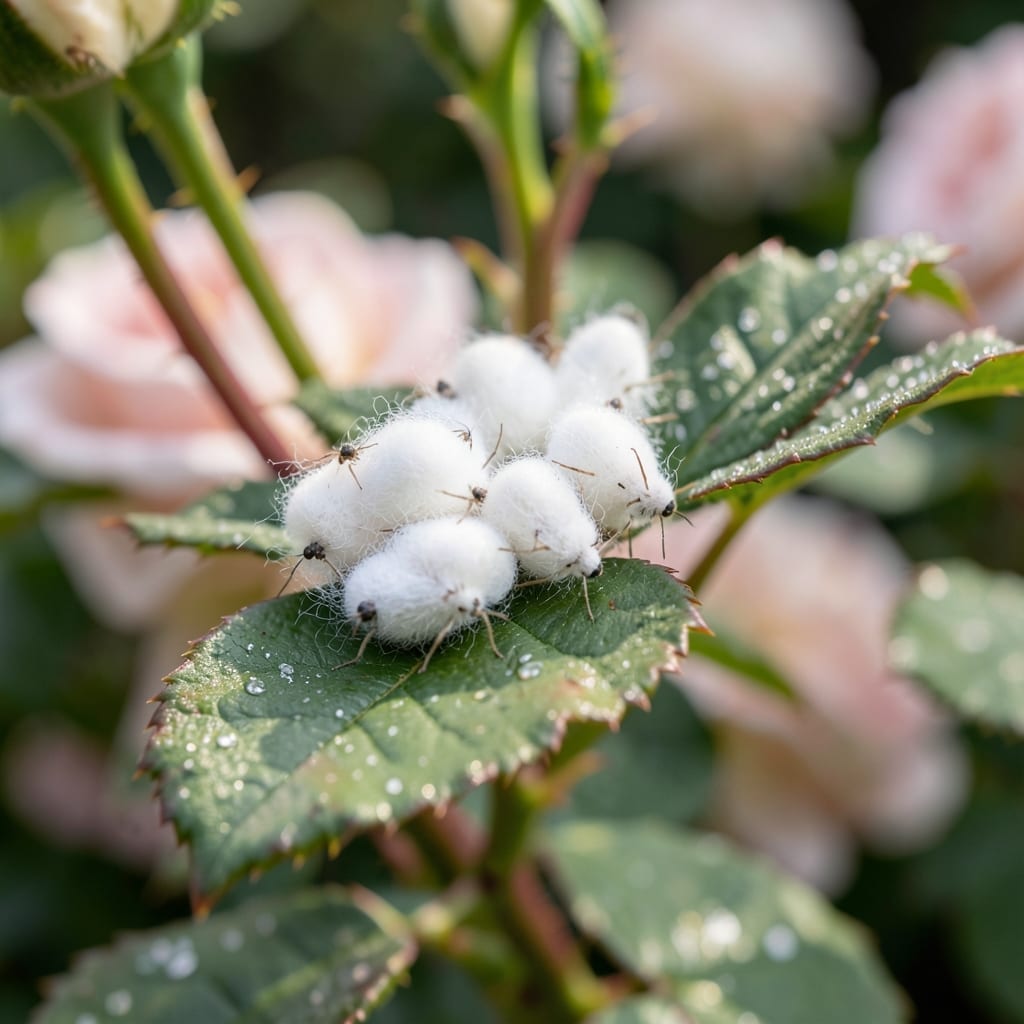
Spotted tiny white invaders on your roses? I’ve been there—watching those healthy blooms turn sticky and sad overnight. These pests multiply fast, but they’re not invincible.
Here’s the thing—most people reach for harsh chemicals first. I learned the hard way that natural solutions work just as well without harming bees or your garden’s balance.
Within 48 hours of the right treatment, you’ll see the bugs retreating. Your roses will bounce back with stronger stems and brighter petals.
Works for aphids, mealybugs, or whatever’s attacking your plants. Let’s reclaim those bushes.
Tiny white bugs on your rose bushes are usually a sign of pest activity, and several factors can trigger their appearance. Understanding these causes helps you address the root of the problem effectively.
Excess moisture creates the perfect breeding ground for pests like mealybugs and whiteflies. Overwatering or poor drainage leads to damp soil and foliage, which attracts these bugs. Roses thrive in well-draining soil, so ensure your watering schedule allows the topsoil to dry between sessions.
Whiteflies and spider mites flourish in warm, humid environments. If your garden lacks airflow or experiences high humidity, these pests multiply rapidly. Prune dense foliage to improve ventilation and reduce humidity around your rose bushes.
A garden ecosystem without beneficial insects like ladybugs or lacewings can lead to unchecked pest populations. These predators feed on tiny white bugs, keeping their numbers in balance. Avoid broad-spectrum pesticides that harm these helpful allies.
Roses under stress from poor nutrition, disease, or environmental factors are more susceptible to infestations. Ensure your plants receive balanced fertilization and proper care to strengthen their natural defenses against pests.
Dealing with tiny white bugs on your rose bushes? Here’s how to tackle each common cause with simple, effective fixes—and keep them from coming back.
Use a strong jet of water from a hose to knock aphids off your roses. Do this early in the morning for best results. For stubborn infestations, spray with insecticidal soap or a neem oil solution (mix 1 tbsp oil + 1 tsp dish soap per gallon of water). Prevention tip: 💡 Encourage ladybugs—natural predators that devour aphids—by planting companion flowers like marigolds or yarrow nearby.
These thrive in dry conditions. Mist your roses daily or set up a drip irrigation system to keep foliage hydrated. For immediate action, wipe leaves with a soapy water cloth (1 tsp mild soap per quart of water). Prevention tip: 🌡️ Avoid overhead watering in hot weather, as dry heat speeds up mite reproduction.
Dab individual bugs with a cotton swab dipped in rubbing alcohol (70% isopropyl) to dissolve their protective coating. For larger outbreaks, apply horticultural oil to suffocate them. Prevention tip: ✨ Prune heavily infested stems and dispose of them in sealed bags to prevent spread.
Pro tip: Always test sprays on a small area first to avoid damaging your roses!
Aphids are tiny, pear-shaped, and move quickly when disturbed. Mealybugs look like small cottony tufts and stay put. Check for sticky residue (aphids) or white waxy clusters (mealybugs).
No, when used correctly. Mix 1 tablespoon neem oil with 1 teaspoon dish soap per gallon of water. Always spray in the evening and test on a small area first.
A mild solution of 1 teaspoon dish soap per quart of water can kill soft-bodied pests. Spray directly on bugs, not the whole plant. Reapply every 2-3 days until gone.
They’re attracted to stressed plants. Improve air circulation, avoid overwatering, and remove dead leaves. Introduce natural predators like ladybugs for long-term control.