
Beautiful Plants For Your Interior
Beautiful Plants For Your Interior
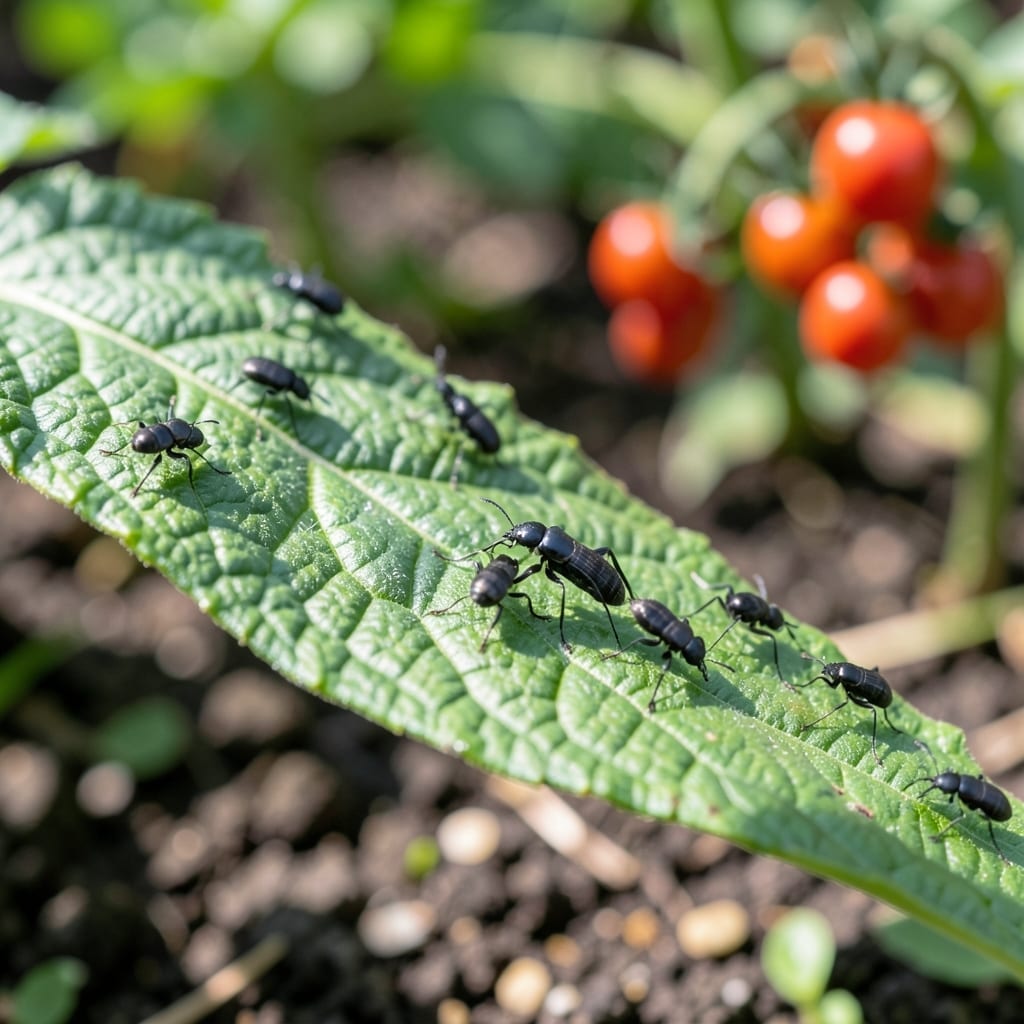
I lost half my seedling tray overnight last spring. Tiny black dots racing across soil look harmless until they chew through stems at ground level, turning healthy plants into wilted sticks by morning.
These aren’t ants or spiders—they’re fungus gnat larvae feeding on roots and organic matter. The adults swarm when disturbed, but the real damage happens underground where you can’t see it.
Here’s the thing—organic solutions work fast. Yellow sticky traps catch adults within 24 hours, while a thin layer of sand stops larvae from burrowing into soil.
Prevention means letting soil dry between waterings and using sterile potting mix. Simple changes, immediate results.
Understanding why tiny, fast-moving black bugs appear in your garden or home is the first step to controlling them. These pests often thrive due to specific environmental or behavioral triggers. Below are the most common causes, explained scientifically yet practically.
Many small black bugs, like fungus gnats or springtails, are attracted to excessively moist soil. Overwatering creates the perfect breeding ground for their larvae, which feed on decaying organic matter. Actionable fix: Allow the top 1-2 inches of soil to dry between waterings and ensure proper drainage.
Decomposing leaves, mulch, or compost piles draw scavenger insects like black carpet beetles or minute pirate bugs. These bugs feed on fungi, mold, or rotting plant material. Actionable fix: Regularly remove leaf litter, clean up fallen fruit, and turn compost piles to disrupt their habitat.
Tiny black bugs, such as weevils or ant-like beetles, can slip through microscopic gaps in windows, doors, or foundation cracks. They’re often drawn indoors by food sources or warmth. Actionable fix: Seal entry points with caulk, install door sweeps, and store food in airtight containers.
Thick vegetation traps moisture and blocks sunlight, creating a damp, shaded environment ideal for aphids, thrips, or spider mites. Actionable fix: Prune plants to improve airflow, space them appropriately, and avoid overcrowding in garden beds.
Dealing with tiny fast-moving black bugs can be frustrating, but these targeted solutions will help you reclaim your space. Below are practical fixes for common causes, along with prevention tips to keep them from returning.
Dense plants and debris provide perfect hiding spots. Trim overgrown bushes, mow tall grass, and remove leaf litter to eliminate their habitat. Regular yard maintenance disrupts their lifecycle and reduces populations.
Prevention: Keep your garden tidy and prune plants seasonally to discourage infestations.
These bugs thrive in damp areas. Check for leaks, improve drainage, and use dehumidifiers indoors to dry out their environment. Fixing moisture issues makes your space less inviting.
Prevention: Use mulch in gardens to regulate soil moisture and avoid overwatering.
Crumb trails, pet food, and compost piles draw them in. Store food in sealed containers, clean up spills promptly, and secure trash bins to cut off their food supply.
Prevention: Take out garbage regularly and keep outdoor eating areas clean.
Tiny bugs slip through cracks in walls, windows, and doors. Caulk gaps, install door sweeps, and repair damaged screens to block their entry. A thorough inspection helps identify problem areas.
Prevention: Apply weather stripping and check for new gaps seasonally.
For a chemical-free approach, sprinkle food-grade diatomaceous earth in problem areas. It dehydrates bugs on contact without harming plants or pets.
Prevention: Reapply after rain or watering for continued protection.
Overwatering and damp soil create ideal breeding conditions. Decaying leaves or compost also draw them in. Reduce moisture and remove organic debris to discourage infestations.
Most are harmless but can damage seedlings by feeding on roots. They don’t bite humans or spread diseases. Focus on protecting young plants and removing their food sources.
Use yellow sticky traps for adults and sprinkle diatomaceous earth on soil. Let the top layer of soil dry between waterings to disrupt their lifecycle.
They enter through tiny cracks or are drawn by moisture and food. Seal gaps, fix leaks, and store food in airtight containers to keep them out.