
Beautiful Plants For Your Interior
Beautiful Plants For Your Interior
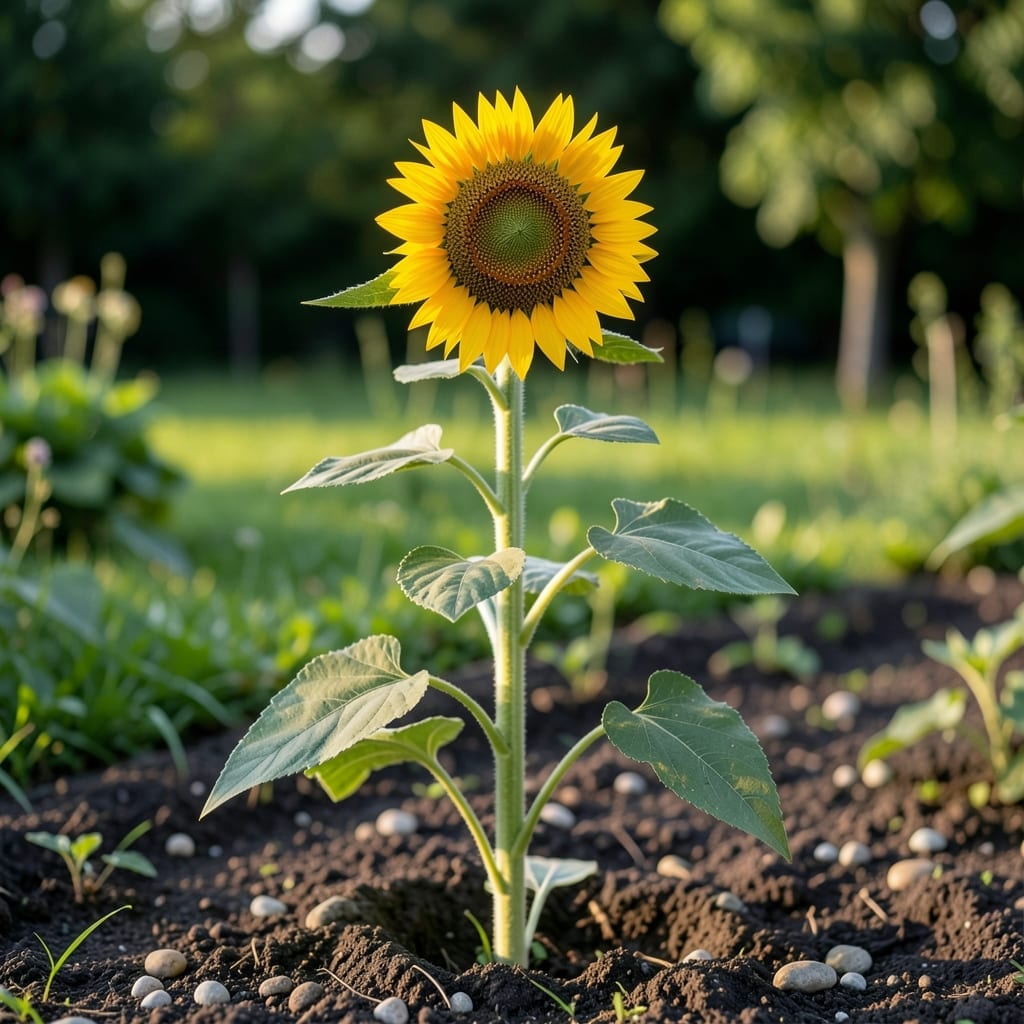
Your sunflowers are talking to you through their leaves. I learned this the hard way when yellow spots appeared overnight on mine, and I ignored them until half the plant was infected.
Healthy leaves are deep green, firm, and free of holes or discoloration. The first signs of trouble often show as subtle changes in color, texture, or pattern that most gardeners miss until it’s too late.
Spotting these early warnings means you can treat problems before they spread. I now check my plants weekly, and my sunflowers stay stronger for longer because of it.
This guide helps you read what your sunflower leaves are saying before the conversation turns into a crisis.
Sunflower leaves can show signs of distress due to various environmental, biological, and cultural factors. Understanding these causes helps in accurate sunflower leaf identification and timely intervention. Below are the primary reasons why leaf problems occur, broken down by category.
Fungi like Alternaria and Septoria thrive in wet, humid conditions, leading to dark spots or lesions on leaves. These pathogens spread through spores, often introduced via contaminated soil or water splashes. Poor air circulation exacerbates the issue, making crowded plantings more susceptible.
Insects such as aphids, beetles, and sunflower moths damage leaves by feeding on them or laying eggs. Aphids, for instance, suck sap from the undersides of leaves, causing yellowing and curling. Beetles chew irregular holes, while larvae may skeletonize foliage, leading to stunted growth.
Extreme weather—drought, heatwaves, or excessive rain—can stress sunflowers. Drought causes wilting and leaf scorch, while waterlogging leads to root rot, manifesting as yellowing leaves. Sudden temperature drops may trigger purpling or necrosis along leaf edges due to disrupted nutrient uptake.
Lack of essential nutrients like nitrogen, potassium, or magnesium results in distinct leaf symptoms. Nitrogen deficiency causes uniform yellowing (chlorosis) of older leaves, while potassium shortage leads to scorched leaf tips. Magnesium deficiency appears as interveinal chlorosis, where veins stay green but the tissue between them yellows.
Overuse of herbicides or improper pesticide application can cause leaf burn or deformities. Drift from nearby spray applications may lead to cupped, twisted, or necrotic leaves. Always follow label instructions to avoid phytotoxicity, especially in young or stressed plants.
Identifying the problem is only half the battle—here’s how to turn things around for your sunflowers. Below are targeted fixes for common leaf problems, paired with prevention tips to keep your plants thriving. 🌻
Fix: Yellow leaves often signal nutrient deficiency or overwatering. Test your soil with a pH kit—sunflowers prefer slightly acidic to neutral soil (6.0–7.5). If the pH is off, amend with lime (to raise pH) or sulfur (to lower it). For overwatering, let the soil dry out between waterings. Trim severely yellowed leaves to redirect energy to healthy growth.
Prevention: Use a balanced fertilizer (10-10-10) every 2–3 weeks during the growing season. Ensure pots or garden beds have proper drainage. 💡 Pro tip: Water deeply but infrequently—about 1–2 inches per week.
Fix: For minor infestations, blast pests off leaves with a strong stream of water. Apply insecticidal soap or neem oil (mix 1 tbsp oil + 1 tsp dish soap per gallon of water) to both sides of the leaves, repeating every 5–7 days until pests are gone. For severe cases, introduce beneficial insects like ladybugs or lacewings.
Prevention: Inspect leaves weekly, especially the undersides. Remove weeds and debris around plants, as they harbor pests. Companion plant with marigolds or basil to repel pests naturally. ✨
Fix: Prune infected leaves immediately and dispose of them in the trash (not compost) to prevent spread. Apply a copper-based fungicide or a baking soda spray (1 tsp baking soda + 1 quart water + a drop of dish soap) to remaining leaves. Improve air circulation by thinning crowded plants.
Prevention: Avoid overhead watering—use a soaker hose or drip irrigation to keep leaves dry. Space sunflowers 1–3 feet apart, depending on the variety. Clean garden tools with rubbing alcohol between uses to avoid cross-contamination. 🎯
Fix: Remove heavily infected leaves and treat the plant with a sulfur-based fungicide or a DIY milk spray (1 part milk to 9 parts water). Apply in the early morning to allow leaves to dry quickly.
Prevention: Plant sunflowers in full sun (6+ hours daily) and ensure good airflow. Avoid late-evening watering, as dampness overnight fuels fungal growth. Choose resistant varieties like ‘Moulin Rouge’ or ‘Sunspot’ for future plantings.
Healthy leaves are deep green, firm, and free of spots or holes. They should feel smooth with no curling or discoloration.
Disease spots often have defined edges and may spread across the leaf. Pest damage appears as irregular holes or chewed areas, sometimes with visible insects.
Many gardeners wait too long to act! Check leaves weekly for subtle changes in color or texture. Early intervention prevents widespread damage.
Mild damage may heal, but severely affected leaves won’t fully recover. Prune damaged foliage to redirect energy to healthy growth.