
Beautiful Plants For Your Interior
Beautiful Plants For Your Interior
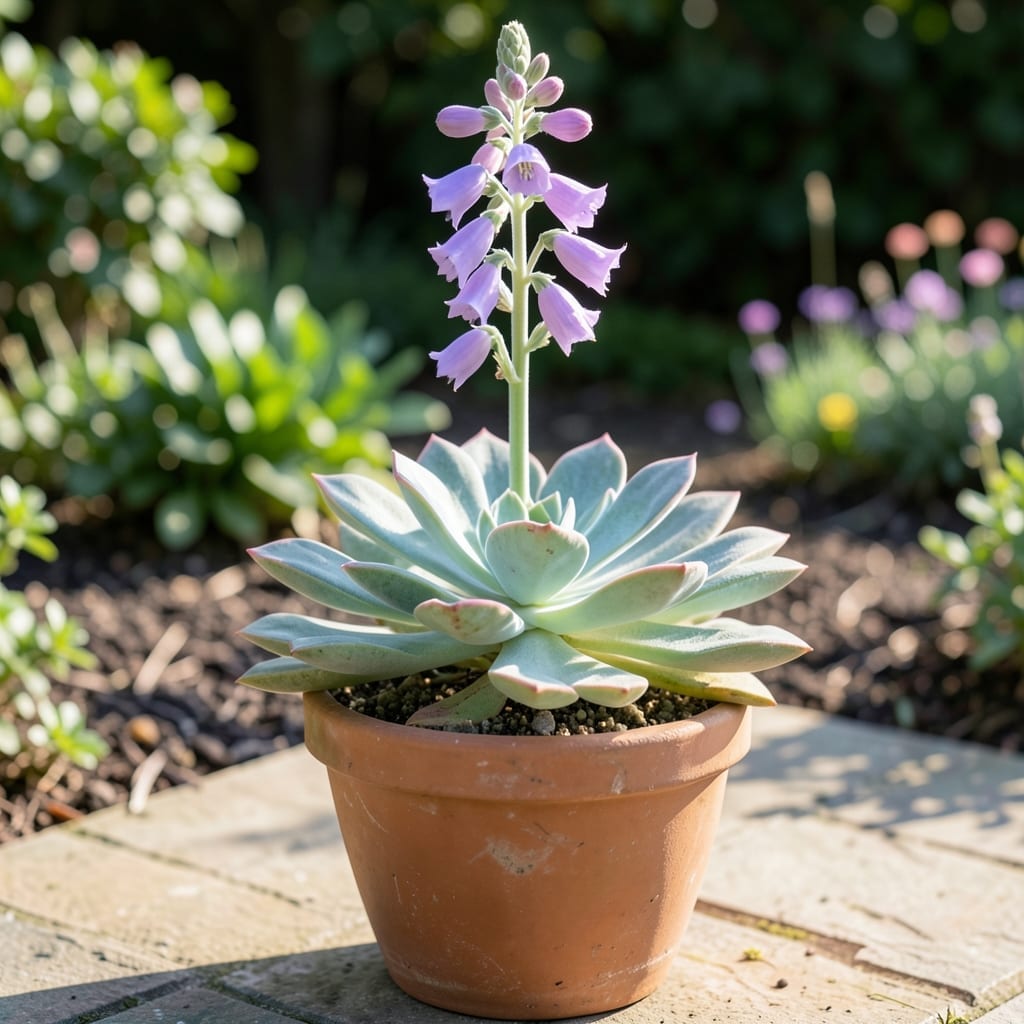
That first glimpse of tall purple spikes rising from a succulent rosette stopped me in my tracks. The contrast between fleshy green leaves and vibrant blooms creates a living sculpture that demands attention in any garden.
These plants thrive on neglect, asking only for well-draining soil and 6 hours of sunlight. I’ve watched mine transform from compact rosettes to towering flower stalks in just 8 weeks with minimal care.
The blooms attract hummingbirds and pollinators while adding dramatic height to rock gardens or containers. Their drought tolerance makes them perfect for busy gardeners or dry climates.
Propagation is simple—just snip a stem or separate offsets. You’ll soon have a collection of these architectural beauties spreading color through your space.
The appearance of tall purple flower stalks on your succulent is a natural and fascinating part of its life cycle. This phenomenon, called etiolation or bolting, is primarily triggered by environmental and biological factors. Here’s why it happens:
Many succulents, like Echeveria or Sedum, produce tall flower stalks as they reach maturity. This is their way of reproducing. The plant directs energy toward producing a inflorescence (flower stalk) to attract pollinators. If your succulent has been growing for years without blooming, it may simply be its time to shine.
Succulents often bloom in response to seasonal light changes. Longer daylight hours in spring or summer signal the plant to enter its reproductive phase. If your succulent is outdoors or near a bright window, it may produce tall purple flowers to maximize pollination opportunities.
Sometimes, mild stress (like a slight drought or temperature fluctuation) can trigger blooming. Succulents are adapted to thrive in harsh conditions, and a sudden change—such as cooler nights or reduced watering—can prompt them to flower as a survival mechanism.
An abundance of nutrients, particularly phosphorus, can encourage flowering. If your succulent is in well-fertilized soil, it may produce tall purple blooms as a response to the extra energy available for reproduction.
If your succulent with tall purple flowers is struggling, these targeted fixes will help restore its health and vibrancy. Below are practical solutions for the most common problems, paired with prevention tips to keep your plant thriving.
Fix: Check soil moisture—overwatering is a frequent culprit. Let the soil dry out completely between waterings, and ensure the pot has drainage holes. If the roots are soggy, trim any blackened sections and repot in fresh, well-draining soil.
Prevention: 💡 Use a cactus or succulent mix and water only when the top inch of soil feels dry. A moisture meter can help avoid guesswork.
Fix: Yellow leaves often signal underwatering or poor light. Move your plant to a brighter spot (south- or west-facing windows work best) and give it a deep watering until water runs out the drainage holes. Remove any yellowed leaves to redirect energy to healthy growth.
Prevention: ✨ Rotate the pot occasionally for even light exposure and stick to a consistent watering schedule.
Fix: For mealybugs or aphids, dab affected areas with a cotton swab soaked in rubbing alcohol. For stubborn pests, use a mild insecticidal soap or neem oil spray, applying it in the evening to avoid leaf burn.
Prevention: 🎯 Inspect new plants before introducing them to your collection, and keep your succulent’s surroundings clean and free of debris.
Fix: Lack of light causes stretching (etiolation). Move the plant to a sunnier location or supplement with a grow light for 12–14 hours a day. Prune leggy stems to encourage compact growth and more flowers.
Prevention: 🌡️ Ensure your succulent gets at least 6 hours of bright, indirect light daily. In winter, reduce watering and provide extra light to maintain blooming.
Water only when the soil is completely dry, typically every 2-3 weeks. Overwatering causes root rot, so always check moisture first.
Provide at least 6 hours of bright, indirect sunlight daily. A south-facing window or grow light works best for consistent flowering.
Tall stalks may flop if the plant isn’t getting enough light or nutrients. Stake them gently and increase sunlight to 8 hours daily.
Yes, but place it near your brightest window. Rotate the pot weekly for even growth and use a well-draining soil mix.