
Beautiful Plants For Your Interior
Beautiful Plants For Your Interior
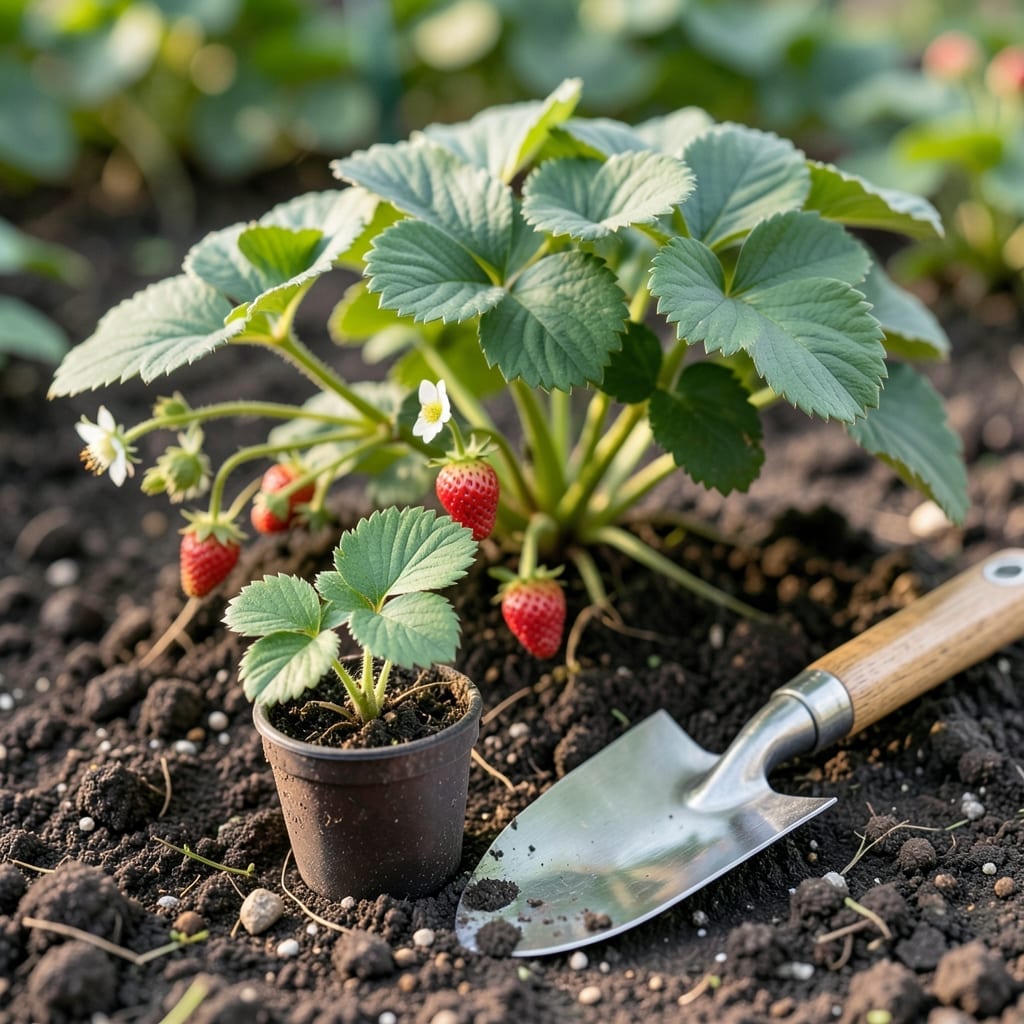
Strawberry plants wilt dramatically after moving—even when you do everything right. I’ve lost entire beds to this silent stress, but the recovery rate improves with immediate action and a few key adjustments.
It’s not about perfection; it’s about timing. The first 48 hours are critical. Keep roots moist, shade the plants, and avoid fertilizer until they stabilize. Most bounce back within a week if you act fast.
You’ll see new growth emerging from the crown within 5-7 days. The leaves might look sad at first, but that’s normal. Focus on the roots, not the foliage.
Works for spring or fall transplants, bare-root or potted. Here’s how to keep them alive.
Transplant shock in strawberries occurs when the plant’s delicate balance is disrupted during relocation. Several key factors contribute to this stress response, each tied to how the plant interacts with its new environment. Understanding these causes helps gardeners take preventive action.
The most direct cause is physical damage to the roots during digging or handling. Strawberry roots are fine and sensitive; even minor tearing reduces their ability to absorb water and nutrients. This disruption triggers a survival response, where the plant conserves energy, often leading to wilting or stunted growth.
Inconsistent moisture levels before or after transplanting exacerbate shock. Underwatering causes roots to dry out, while overwatering suffocates them, both impairing nutrient uptake. Strawberries require even, moderate soil moisture to recover, as dry soil slows root regeneration and soggy soil promotes rot.
Sudden changes in temperature or sunlight exposure can overwhelm the plant. Moving strawberries from a shaded nursery to a sunny garden, for example, increases transpiration (water loss through leaves) faster than the roots can replenish it. Acclimation—gradually introducing plants to new conditions—reduces this stress significantly.
Differences in soil composition, pH, or nutrient availability between the old and new location force the plant to adapt quickly. Strawberries thrive in slightly acidic soil (pH 5.5–6.5) rich in organic matter. Poor or overly fertile soil can shock the roots, delaying establishment and growth.
Transplant shock in strawberries can be reversed with the right care. Below are targeted fixes for common causes, along with prevention tips to keep your plants thriving.
If roots were disturbed during transplanting, trim any broken or jagged ends with clean scissors. Soak the roots in lukewarm water for 10–15 minutes to rehydrate them before planting. Prevention tip: Always dig up strawberries with a wide root ball to minimize damage.
Wilting or yellowing leaves often signal underwatering. Water deeply right after transplanting, then maintain even moisture (not soggy) for the first 2 weeks. Use a drip irrigation system or water at soil level to avoid wetting the leaves. Prevention tip: Mulch with straw to retain moisture and reduce stress.
Strawberries exposed to harsh sun post-transplant may scorch. Provide partial shade (e.g., shade cloth or a cardboard box) for 3–5 days to ease the transition. Gradually reintroduce full sunlight. Prevention tip: Transplant on a cloudy day or in the late afternoon to reduce shock.
Extreme heat or cold can stunt recovery. If temperatures drop below 40°F (4°C) or exceed 85°F (29°C), use row covers or move potted plants to a sheltered spot. Prevention tip: Harden off seedlings by exposing them to outdoor conditions gradually over a week before transplanting.
Avoid heavy fertilizing right after transplanting, but a weak seaweed or compost tea can help roots recover. Wait 7–10 days before applying a balanced organic fertilizer. Prevention tip: Amend the soil with compost before planting to give roots a nutrient boost.
💡 Pro Tip: Monitor plants daily for the first week—early intervention makes all the difference!
Most plants show new growth from the crown within 5-7 days. Full recovery takes about 2 weeks with proper care. Wilting leaves may not bounce back, but focus on healthy roots.
Avoid heavy feeding immediately. A weak seaweed tea can help, but wait 7-10 days before using fertilizer. Overfeeding stresses the roots during this sensitive period.
Both work, but early spring or late fall (4-6 weeks before frost) are ideal. Cooler temps reduce stress. Avoid extreme heat or cold during the transition.
This is normal! Plants often decline slightly before improving as roots adjust. Keep soil moist and provide shade if needed. Most rebound within a week.