
Beautiful Plants For Your Interior
Beautiful Plants For Your Interior
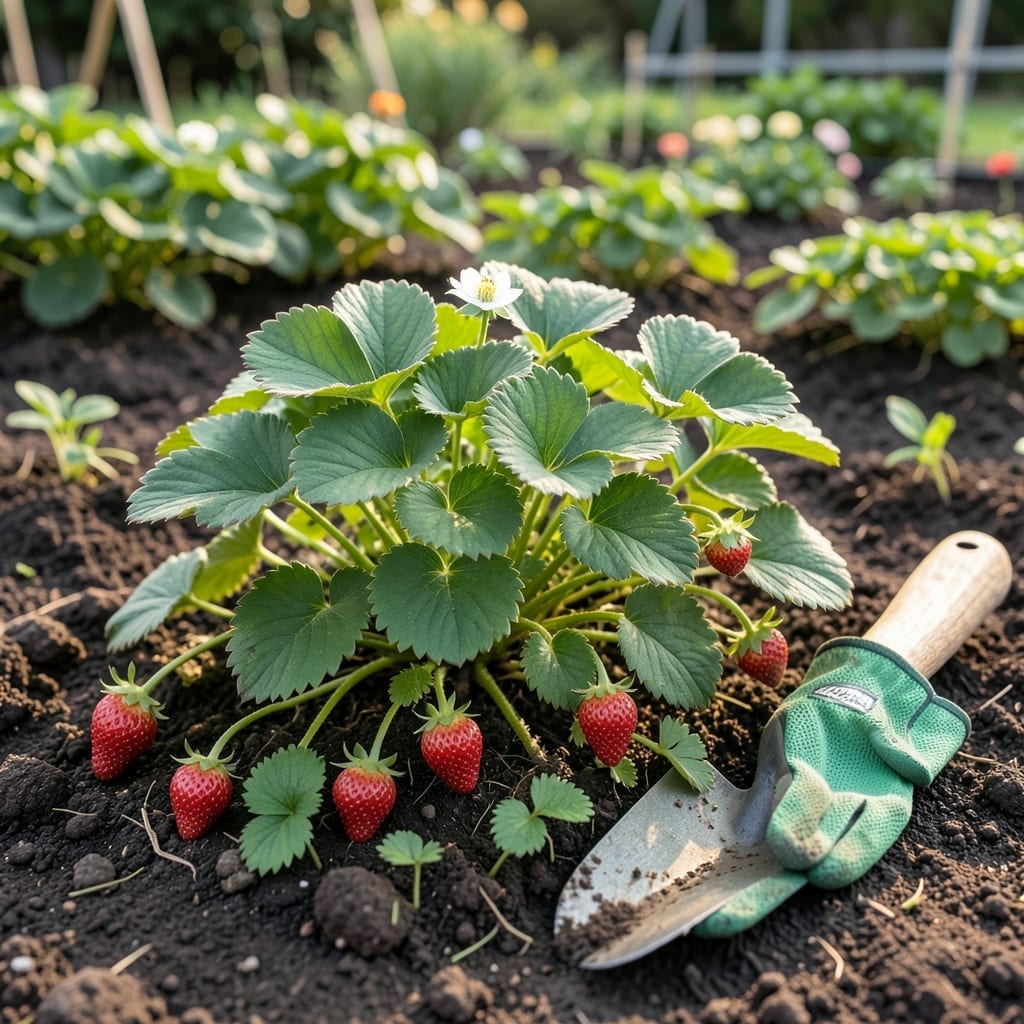
Timing is everything when planting strawberries in Zone 6—plant too early or too late, and you could miss out on a bumper crop of sweet, juicy 🍓 berries.
In our region, the Strawberry planting window is all about working with the seasons, not against them. The difference between a mediocre harvest and an exceptional one often comes down to just a few weeks.
I’ve learned through experience that getting this right means understanding your local climate patterns. The Strawberry doesn’t just grow—it thrives when planted at the optimal time.
Discover the precise windows that will give your plants the best start for maximum yields. Let’s dig into what works for Zone 6 gardeners.
In USDA Zone 6, timing your strawberry planting is critical for a bountiful harvest. The two best windows are early spring and late summer, each offering unique advantages for different strawberry varieties.
Spring planting should occur 2-3 weeks after the last frost, typically around mid-April. This gives plants time to establish before the heat of summer kicks in.
| Planting Window | Best For | Soil Temperature | Timing |
|---|---|---|---|
| Early Spring | June-bearing | 60°F+ | Mid-April |
| Late Summer | Everbearing, Day-neutral | 70°F+ | Late August |
| Early Fall | All varieties | 65°F+ | Early September |
For June-bearing strawberries, I recommend spring planting to allow plants to establish and produce a full harvest the following year. These varieties need that extra time to develop strong root systems.
Everbearing and day-neutral strawberries do well with late summer planting. This timing allows them to produce a fall harvest and another the following spring, maximizing your berry yield.
Soil temperature is crucial. In Zone 6, wait until the soil reaches at least 60°F in spring. A soil thermometer can help you monitor this accurately before planting.
If you plant in late summer, aim for 6-8 weeks before the first frost, usually around October 15 in Zone 6. This gives plants enough time to root before winter dormancy.
For both windows, prepare your soil well. Strawberries thrive in well-draining, loamy soil with a pH of 5.5-6.8. I always mix in compost or aged manure before planting.
Remember, mulching is essential in Zone 6. Apply a 2-3 inch layer of straw or pine needles to protect plants from temperature fluctuations and retain soil moisture.
Finally, water consistently after planting. Keep the soil evenly moist but not waterlogged, especially during the first few weeks as plants establish their root systems.
With these timing tips, your Zone 6 strawberry plants will be well on their way to producing sweet, abundant berries for seasons to come 🌱
Planting strawberries in Zone 6 requires careful timing and preparation. I always start by checking the last frost date, which is typically around April 15 in this zone. This ensures the soil is warm enough for young plants to establish.
The best soil temperature for planting is around 60°F. I recommend preparing the bed by loosening the soil and mixing in compost for better drainage and fertility. This gives your plants a strong start.
After planting, I monitor the moisture levels closely. Strawberries need 1-2 inches of water per week, especially during the first few weeks. A drip irrigation system works great for this.
For June-bearing varieties, I plant in early spring for a summer harvest. Everbearing and day-neutral types can also be planted in late summer for a fall harvest.
Finally, I always protect young plants from late frosts with row covers. This extra care helps ensure a bountiful harvest of sweet, juicy berries. ✂️