
Beautiful Plants For Your Interior
Beautiful Plants For Your Interior
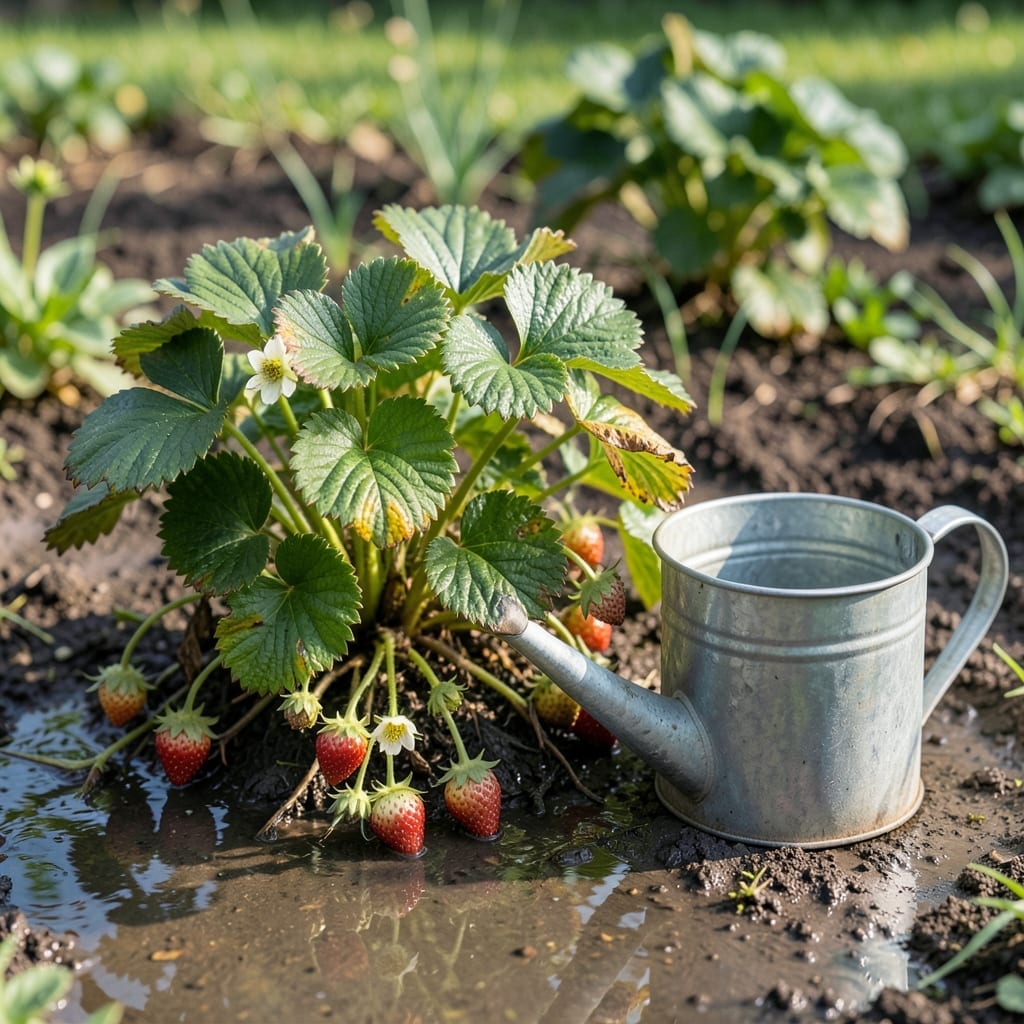
Yellowing leaves and mushy roots caught me off guard last season. My strawberry patch looked healthy until I realized I was loving them to death with too much water.
Overwatering doesn’t just drown plants—it suffocates their roots and invites disease. The first sign is often wilting, even when the soil is wet. Then comes the yellow leaves and black, mushy stems.
Here’s the thing—strawberries need consistent moisture, not a swamp. A simple finger test in the soil tells you more than any schedule. If the top inch feels damp, hold off on watering.
Rescue is possible, but you’ll need to act fast. Cut back on water, improve drainage, and trim any damaged growth. Your plants will thank you with a stronger comeback.
Overwatering strawberries often stems from well-intentioned but misguided care. Below are the key reasons why this issue arises, each backed by science and practical insights.
Strawberries thrive in moist but not soggy soil. Frequent watering—especially in cool, cloudy weather—prevents the soil from drying out between sessions. This saturates the root zone, reducing oxygen availability and promoting Phytophthora and Pythium root rot pathogens, which thrive in waterlogged conditions.
Heavy or compacted soil, lack of drainage holes in containers, or low-lying garden beds can trap water around the roots. Strawberry roots require aeration to absorb nutrients efficiently. Without proper drainage, water fills the air pockets in the soil, suffocating the roots and disrupting their metabolic processes.
Temperature, humidity, and rainfall directly impact a plant’s water needs. Watering on a fixed schedule without adjusting for cool, humid days or rainy spells leads to over-saturation. Strawberries in high-humidity environments or shaded areas need less frequent watering than those in hot, dry climates.
While large pots can seem beneficial, they hold more moisture for longer periods. If the container’s size doesn’t match the plant’s root system, excess water remains stagnant, increasing the risk of root rot. Always choose pots with drainage holes and a size proportional to the plant.
Overwatered strawberries can bounce back with the right care. Here’s how to tackle each symptom and prevent future issues:
Scale back watering immediately. Let the top 1–2 inches of soil dry out between waterings. Use your finger to test moisture—if it feels damp, wait another day. Switch to drip irrigation or a soaker hose to target roots and avoid wetting foliage.
Prevention tip: 🌡️ Water in the early morning so excess moisture evaporates during the day.
Remove affected leaves or fruit with clean scissors to stop the spread. Thin out dense foliage to boost airflow, and space plants 12–18 inches apart. Apply a copper fungicide (organic option) if the problem persists.
Prevention tip: ✨ Use raised beds or straw mulch to keep berries off wet soil.
Gently dig up the plant and inspect the roots. Healthy roots are white; mushy, dark roots signal rot. Trim affected roots, then repot in fresh, well-draining soil (mix in perlite or sand). For in-ground plants, amend the bed with compost to improve drainage.
Prevention tip: 🎯 Plant strawberries in slightly elevated mounds to prevent waterlogging.
Overwatering washes away nutrients. Once the soil dries slightly, apply a balanced, water-soluble fertilizer (10-10-10) at half strength. Avoid heavy feeding—strawberries prefer moderate nutrients.
Prevention tip: 💡 Test soil with a moisture meter before watering to avoid guesswork.
Check the top 1-2 inches of soil—water only when dry. Typically, 1-2 times per week suffices, but adjust for weather. Morning watering prevents evening moisture buildup.
Yellowing leaves often signal overwatering or poor drainage. Roots can’t breathe in soggy soil, causing nutrient uptake issues. Trim affected leaves and let soil dry slightly.
Yes, if caught early. Stop watering, improve drainage, and trim rotten roots. Repot in fresh soil if needed. Most plants bounce back within 2-3 weeks.
Use well-draining soil mixed with compost or perlite. Avoid heavy clay or compacted soil. Raised beds or containers with drainage holes prevent waterlogging.