
Beautiful Plants For Your Interior
Beautiful Plants For Your Interior
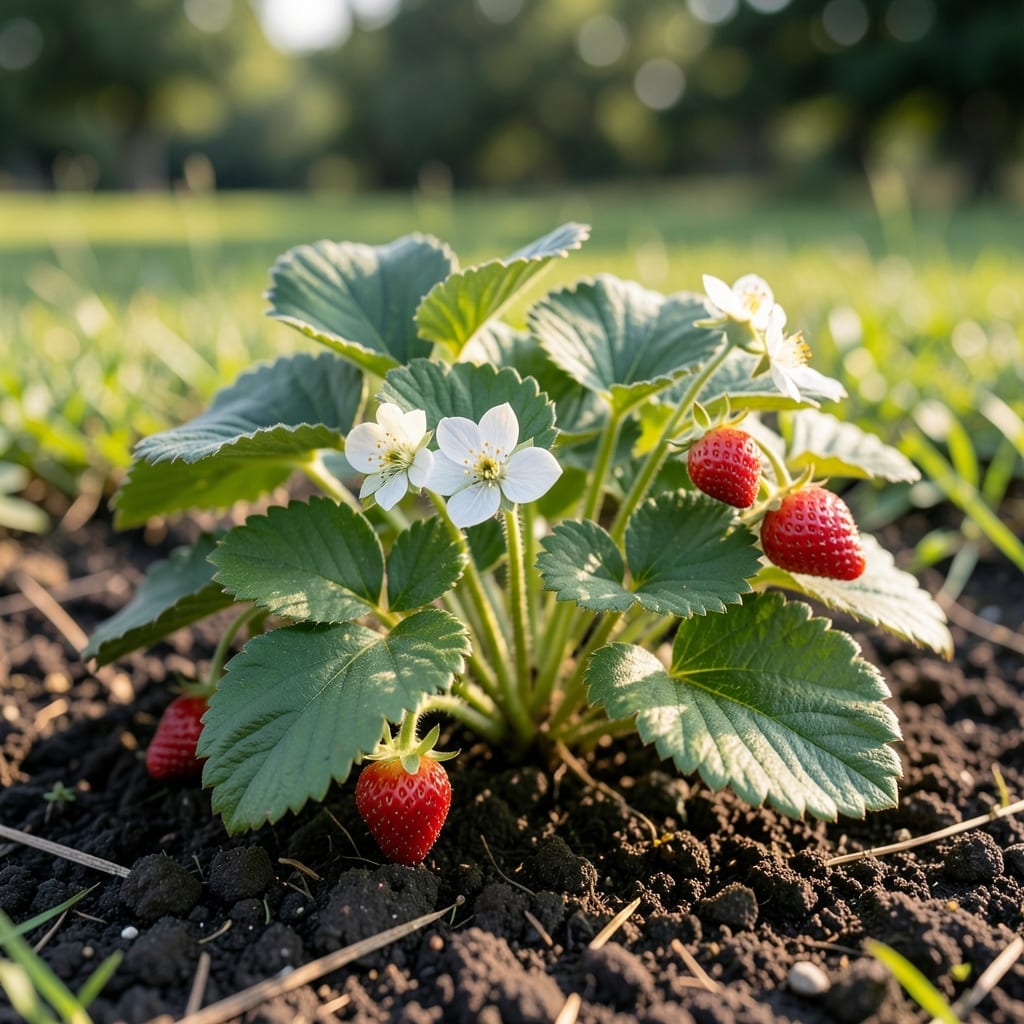
That red fruit in your garden might not be what you think. I’ve spotted more than a few plants masquerading as strawberries—some harmless, some problematic.
The giveaways are in the details: real strawberries have white flowers and seeds on the outside. Their imposters often have yellow flowers or smooth, seedless skins. A closer look reveals the truth every time.
Some look-alikes like wild mock strawberry are edible but bland. Others, like potato plant berries, can be toxic. Knowing the difference keeps your garden safe and your harvest reliable.
Learn to spot the fakes, and you’ll never second-guess your berry patch again. The solution starts with observation and a little plant knowledge.
Nature has a way of playing tricks on us, and the existence of strawberry look-alikes is no exception. These doppelgängers often emerge due to a mix of evolutionary, environmental, and genetic factors. Below, we break down the key reasons why these deceptive plants pop up in gardens and wild landscapes.
Some plants evolve to resemble strawberries as a survival tactic. This phenomenon, called mimicry, helps them avoid predators or attract pollinators. For example, the mock strawberry (Duchesnea indica) produces bright red, strawberry-like fruit to entice animals into spreading its seeds, even though the berries are tasteless or bitter.
Many strawberry look-alikes belong to the same Rosaceae family as true strawberries (Fragaria spp.). Shared genetic traits often lead to similar leaf shapes, growth habits, or fruit structures. For instance, the barren strawberry (Waldsteinia fragarioides) has nearly identical foliage but produces no edible fruit.
Plants in similar climates or soil conditions may develop convergent traits. Strawberries thrive in temperate zones, and look-alikes like the Alpine strawberry (Fragaria vesca) or woodland strawberry (Fragaria virginiana) adapt comparable features to compete for sunlight, water, or pollinators in the same ecosystem.
Selective breeding or accidental cross-pollination can create hybrids that resemble strawberries. Some ornamental plants, like Potentilla species, are cultivated for their strawberry-like flowers or foliage, even if they bear no fruit. Gardeners may also misidentify seedlings, allowing impostors to grow unchecked.
If you’ve spotted a strawberry look alike in your garden or at the market, don’t panic—here’s how to tell the real deal from the imposters and keep your patch thriving.
Many wild berries mimic strawberries but can be toxic. Fix: Compare the plant’s leaves, fruit texture, and growth habit. True strawberries have toothed leaves in sets of three, red fruit with seeds on the outside, and a sweet scent. When in doubt, use a trusted plant ID app or consult a local gardening expert. Prevention: Label your plants and research common look-alikes in your region (e.g., mock strawberry or Indian strawberry).
Some strawberry doppelgängers, like Duchesnea indica, spread aggressively. Fix: Pull them up by the roots (wear gloves to avoid skin irritation) and dispose of them in sealed bags—not compost. Prevention: Mulch garden beds to suppress weeds and inspect new plants for hitchhiking impostors before introducing them to your garden.
Mislabeling happens! Fix: Purchase strawberry plants or seeds from reputable nurseries. Check for Fragaria × ananassa (the scientific name for garden strawberries) on tags. Prevention: Save seeds from confirmed strawberry fruits to grow your own, ensuring authenticity.
If your “strawberries” aren’t producing, they might not be strawberries at all. Fix: Test soil pH (aim for 5.5–6.8) and ensure full sun (6+ hours daily). Fertilize with a balanced 10-10-10 mix. Prevention: Rotate crops annually to prevent soil depletion and disease buildup.
No, some are toxic. Mock strawberry is edible but bland, while potato plant berries are dangerous. Always verify before tasting.
True strawberries have white flowers, seeds on the outside, and sweet scent. Look-alikes often have yellow flowers or smooth skin.
Some, like Duchesnea indica, spread aggressively. Remove by the roots and dispose in sealed bags to prevent regrowth.