
Beautiful Plants For Your Interior
Beautiful Plants For Your Interior
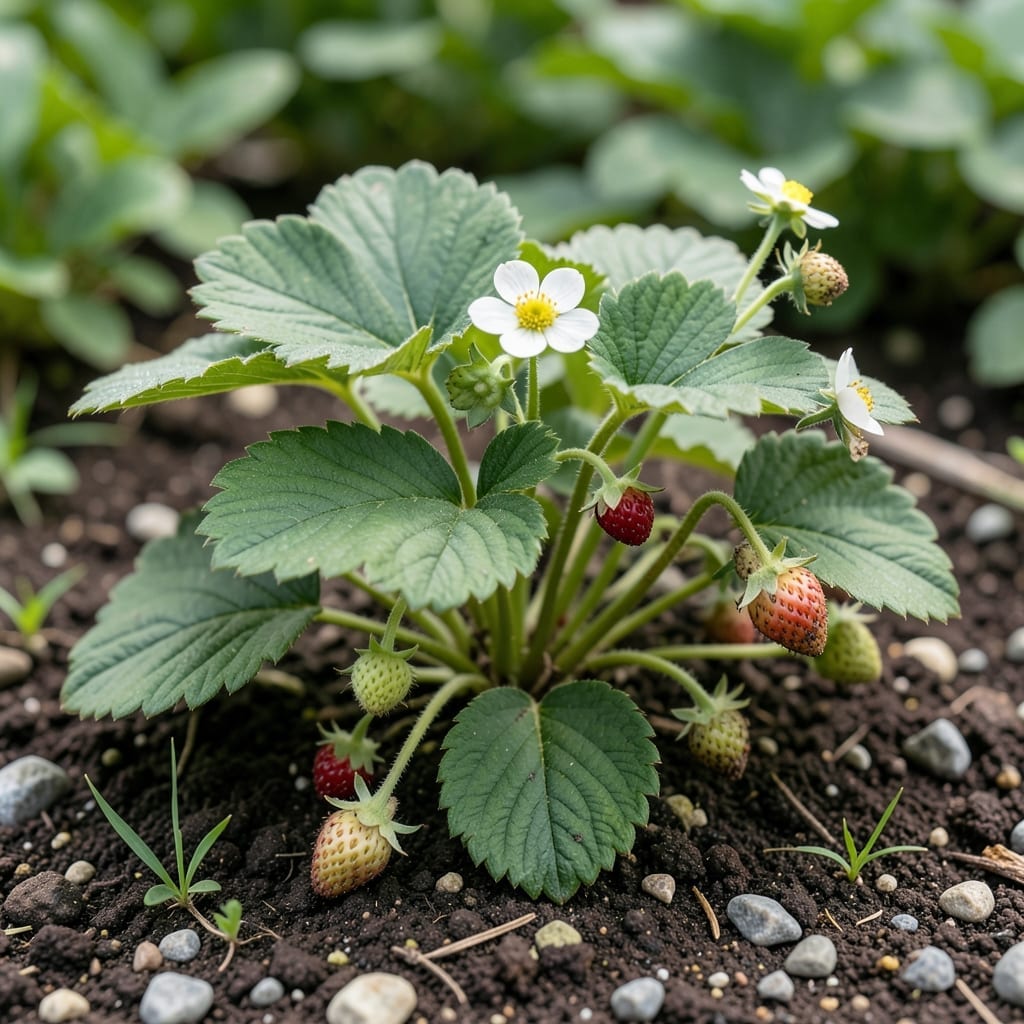
Brown strawberries ruined my first harvest. I watched perfect red berries turn to mush in 48 hours, and it wasn’t just disappointing—it was frustrating.
Turns out, the causes are usually simple: too much water, not enough air, or sneaky fungi taking advantage. Most gardeners overcomplicate this. The fix often starts with better drainage and spacing.
You’ll see improvement within a week of adjusting your care routine. The plants bounce back fast when you address the root issue, and the berries stay firm and vibrant red.
Works for in-ground beds, containers, or hanging baskets. Here’s how to keep them thriving.
Strawberries turning brown is often a sign of stress or damage, and several factors can trigger this unappealing change. Here’s a breakdown of the most common causes:
Exposure to high temperatures or frost can lead to cellular damage in strawberries, causing them to brown. Heat stress accelerates enzyme activity, while cold injury disrupts cell membranes, both leading to discoloration.
Too much or too little water can stress the fruit. Overwatering promotes fungal growth, while underwatering causes dehydration, both of which can result in browning. Consistency in soil moisture is key.
Pathogens like Botrytis cinerea (gray mold) or bacterial soft rot can cause strawberries to turn brown and mushy. These thrive in damp, humid conditions, so proper air circulation and cleanliness are critical.
Bruising or punctures from handling, pests, or even heavy rain can break the skin, exposing the fruit to oxidation and microbial invasion. Gentle harvesting and storage help prevent this.
A lack of essential nutrients, particularly calcium or potassium, can weaken strawberry plants, making the fruit more susceptible to browning. Regular soil testing ensures optimal nutrition.
Keep your strawberries fresh and vibrant with these targeted fixes for common browning causes.
If your strawberries are browning due to age, sort through them immediately. Discard any soft, mushy, or heavily discolored berries to prevent them from spoiling the rest. For slightly overripe but still firm strawberries, use them quickly in smoothies, jams, or baked goods where texture isn’t critical.
Browning from improper storage? Store strawberries unwashed in a paper towel-lined container in the fridge. The towel absorbs excess moisture, reducing rot. For best results, keep them in the crisper drawer at 32–36°F (0–2°C). Never store strawberries at room temperature for more than a day.
At the first sign of mold, isolate affected berries and check the rest for soft spots. Prevent future outbreaks by washing strawberries in a 1:3 vinegar-water solution (rinse well afterward) to kill spores. Ensure good airflow in storage containers to discourage fungal growth.
Slightly brown berries may still be edible if firm, but they’ll taste less sweet. Discard any that are mushy or have an off smell. Use them immediately in cooked dishes like jams.
Store unwashed strawberries in a paper towel-lined container with the lid slightly ajar. This reduces moisture buildup, which accelerates spoilage. Change the towel every 2-3 days.
Not always. Browning can result from overripeness, physical damage, or temperature stress. Mold usually appears as fuzzy growth, while simple browning is often just oxidation.