
Beautiful Plants For Your Interior
Beautiful Plants For Your Interior
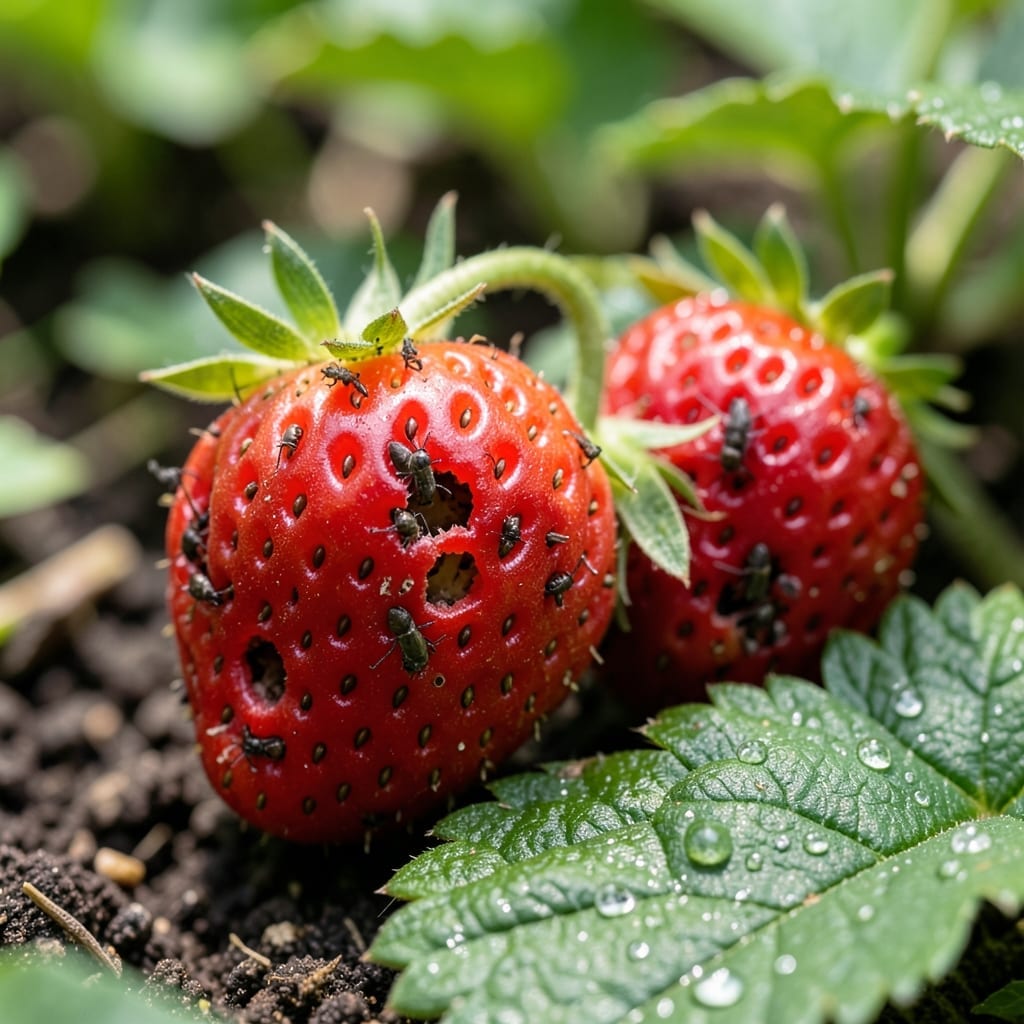
Nothing stings like finding your strawberries riddled with holes just days before harvest. I’ve lost entire crops to unseen pests overnight, and the frustration is real.
The usual suspects—slugs, beetles, and spider mites—leave distinct damage patterns. Slugs carve irregular edges; beetles punch clean holes; mites create speckled, discolored leaves. Identifying the culprit is half the battle.
Once spotted, organic solutions like diatomaceous earth or neem oil work wonders. For severe cases, targeted insecticides can save your plants without harming pollinators. Prevention starts with clean garden beds and regular inspections.
Your strawberries can bounce back quickly with the right approach. Let’s get them protected before the next wave hits.
Strawberries are a prime target for bugs due to several natural and environmental factors. Understanding why these pests are drawn to your plants can help you prevent infestations and protect your harvest.
Strawberries emit a strong, sweet fragrance as they ripen, which attracts insects like slugs, snails, and fruit flies. The high sugar content in ripe berries is a natural food source for many pests, making your garden an all-you-can-eat buffet.
Plants under stress from poor soil conditions, overwatering, or disease are more vulnerable to pest attacks. Weak strawberry plants lack the natural defenses to fend off invaders like aphids, spider mites, or beetles, which exploit their compromised state.
Dense foliage, mulch, or garden debris provides perfect shelter for bugs. Earwigs, sow bugs, and slugs thrive in moist, shaded areas under strawberry plants, where they can feed undisturbed. Keeping your garden clean and well-spaced reduces these hiding spots.
A garden lacking natural predators (like birds, ladybugs, or ground beetles) allows pest populations to grow unchecked. Without these beneficial insects and animals, pests like strawberry root weevils can multiply rapidly, leading to widespread damage.
Dealing with bugs munching on your strawberries can be frustrating, but these practical solutions will help you reclaim your harvest. Below are targeted fixes for common pests, along with prevention tips to keep them from coming back.
Use a strong stream of water from your garden hose to knock aphids off your plants. For heavier infestations, apply insecticidal soap or neem oil every 5–7 days until they’re gone. Prevention tip: 💡 Encourage natural predators like ladybugs by planting companion flowers such as marigolds or yarrow nearby.
Create a physical barrier using copper tape around planters or sprinkle diatomaceous earth around the base of plants. For a budget-friendly fix, set out shallow dishes of beer—slugs will crawl in and drown. Prevention tip: 🌡️ Water your garden in the morning so the soil is dry by night, when slugs are most active.
Spider mites thrive in dry conditions. Combat them by misting plants regularly or using a humidity tray. For severe cases, spray with horticultural oil to suffocate the pests. Prevention tip: ✨ Keep your garden weed-free, as mites often migrate from nearby weeds to your strawberries.
Protect ripening fruit with fine mesh netting to keep bees and wasps from nibbling on your strawberries. Secure the edges tightly to the ground to prevent pests from sneaking underneath. Prevention tip: 🎯 Harvest strawberries as soon as they ripen to minimize attraction.
Check plants daily and handpick beetles into a bucket of soapy water. For larger infestations, use pheromone traps, but place them far from your garden to avoid luring more beetles. Prevention tip: 🌿 Apply milky spore powder to your lawn to target beetle grubs before they mature.
By combining these fixes with consistent prevention, you’ll keep your strawberries safe and enjoy a bug-free harvest!
Slugs, aphids, and spider mites are frequent offenders. Beetles and earwigs also target berries, leaving distinct damage patterns like holes or chewed edges.
Inspect leaves and fruit closely. Slugs leave slimy trails, aphids cluster on new growth, and mites create fine webbing. Each pest has unique signs.
Yes! Neem oil and diatomaceous earth work well for many pests. Companion planting with marigolds can deter aphids naturally.
Act at first sight of damage. Early morning or evening treatments are most effective, as pests are active then and solutions won’t evaporate quickly.