
Beautiful Plants For Your Interior
Beautiful Plants For Your Interior
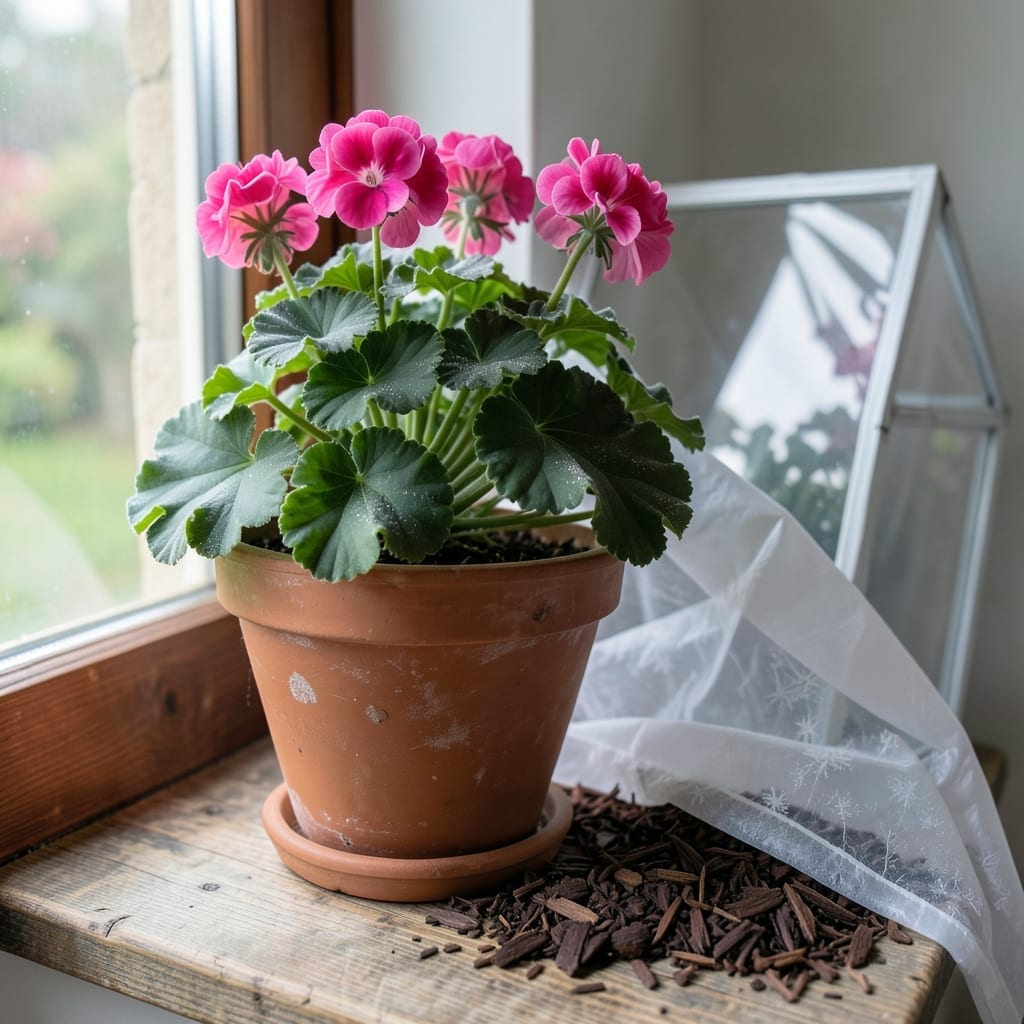
Winter doesn’t have to mean the end of your garden. I’ve saved tender perennials and potted shrubs through brutal freezes with just a few smart moves.
Most plants need dark, cool, and dry conditions—around 40-50°F. A garage, shed, or basement works if you monitor humidity. No fancy setup required.
You’ll be shocked how well plants bounce back in spring. Even tropicals that look dead often regrow from their roots with the right care.
Timing matters: move them indoors before the first frost, not during. A little preparation now means thriving plants next season.
Winter’s harsh conditions can stress or kill plants if they’re not stored properly. Here’s why it happens:
When temperatures drop below a plant’s cold hardiness threshold, water inside its cells freezes and expands. This ruptures cell walls, leading to frostbite or death. Tropical and subtropical plants (e.g., coleus, bougainvillea) are especially vulnerable, as they lack adaptations like antifreeze proteins found in cold-hardy species.
Repeated freeze-thaw cycles cause soil to expand and contract, pushing roots upward (frost heaving). This exposes roots to air, drying them out and breaking their connection to the soil. Container plants are at higher risk since their roots have less insulation than in-ground plants.
Winter winds accelerate moisture loss from leaves and stems, a process called transpiration. Evergreens and broadleaf plants (like rhododendrons) are prone to winter burn—brown, crispy foliage—because their leaves retain water but can’t replace what’s lost in freezing conditions.
Short daylight hours and cloud cover reduce photosynthesis, weakening plants over time. Dormant plants can survive this, but non-dormant or indoor-stored plants may etiolate (become leggy) or drop leaves if light is insufficient.
Storing plants properly mitigates these risks by controlling temperature, humidity, and light exposure.
When cold weather threatens your plants, quick and practical solutions can save them from frost damage. Here’s how to tackle common winter storage problems and keep your greenery thriving.
If your plants are exposed to freezing temperatures, move them to a warmer spot like a garage, shed, or basement where temperatures stay above freezing. Wrap pots in bubble wrap or burlap to insulate roots, and group plants together to share warmth. For in-ground plants, mulch heavily with straw or leaves to protect the soil.
Prevention tip: 💡 Monitor weather forecasts and move plants indoors before the first frost hits.
Plants need less water in winter since their growth slows. If you’ve overwatered, stop immediately and let the soil dry out. Ensure pots have drainage holes to prevent root rot. For stored plants, water only when the top inch of soil feels dry.
Prevention tip: ✨ Use a moisture meter to avoid guessing—water only when necessary.
Short winter days can leave plants leggy or weak. Move them to the brightest indoor spot or use grow lights for 12-14 hours a day. Rotate plants weekly to ensure even light exposure.
Prevention tip: 🎯 Place lights 6-12 inches above plants and adjust as they grow.
Indoor storage can invite pests like spider mites or aphids. Inspect plants before bringing them inside, and wipe leaves with a damp cloth. Isolate infested plants and treat them with neem oil or insecticidal soap.
Prevention tip: 🌡️ Keep the storage area clean and free of debris to discourage pests.
With these fixes, your plants will stay healthy and ready for spring!
Most plants thrive in 40-50°F during dormancy. Avoid freezing temps or anything above 60°F, which can break dormancy prematurely. A garage or basement often works perfectly.
Water sparingly—only when soil feels dry 1 inch down. Overwatering in cool, dark conditions leads to root rot. Tropicals may need slightly more than hardy perennials.
A heated greenhouse works but isn’t necessary. The key is stable temps and minimal light. Unheated greenhouses or cold frames often suffice for cold-hardy plants.
Inspect plants before bringing inside. Wipe leaves with neem oil solution and isolate new arrivals for 1-2 weeks. Keep storage areas clean and dry to deter pests.