
Beautiful Plants For Your Interior
Beautiful Plants For Your Interior
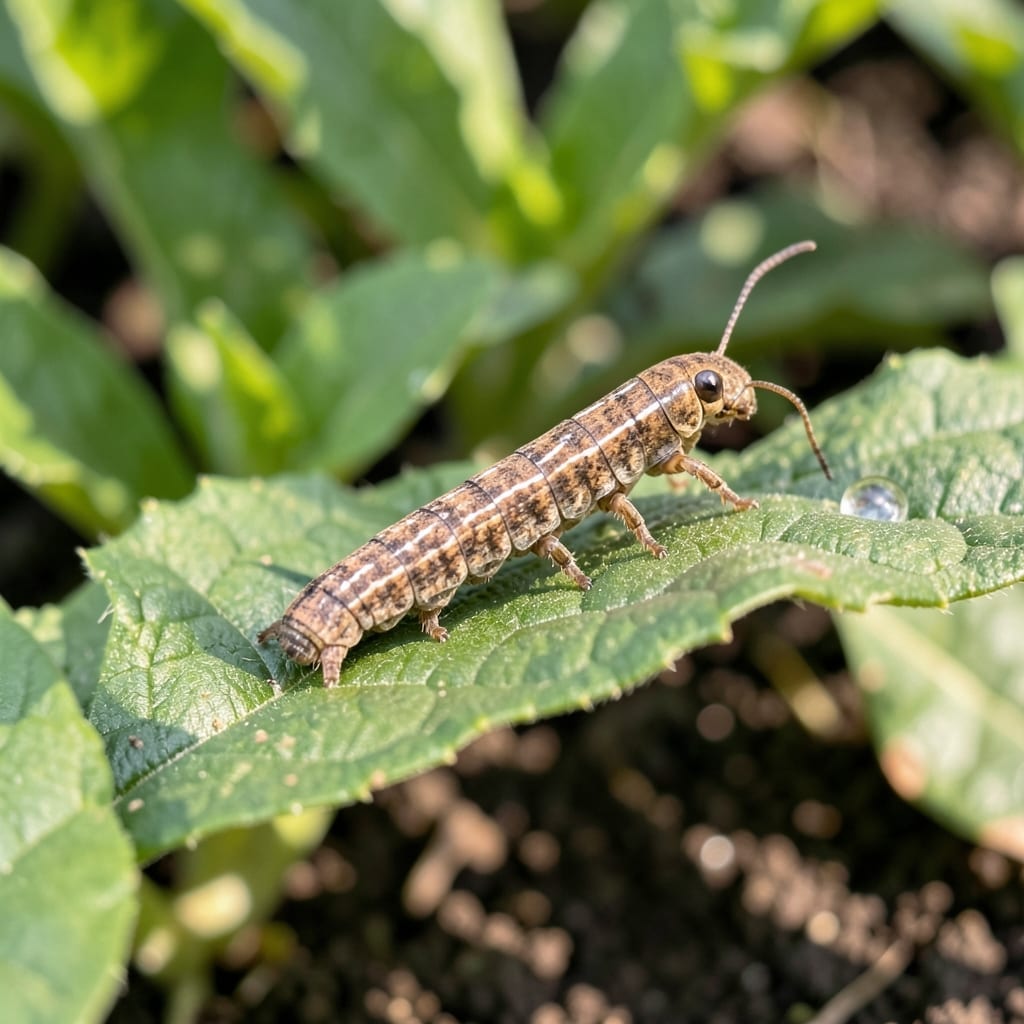
I spotted my first stick caterpillar last summer on my oak tree. It looked like a twig but was slowly defoliating the leaves. These pests blend in perfectly, making them hard to spot until the damage is done.
They target trees and shrubs, especially oaks, elms, and fruit trees. A few won’t hurt, but a large infestation can strip a plant bare in days. Left unchecked, they weaken plants and invite disease.
Hand-picking works for small outbreaks, but for bigger problems, organic sprays like neem oil or Bt provide effective control. Timing matters—treat early morning or late evening for best results.
Prevention starts with vigilance. Check plants weekly and remove egg masses before they hatch. Keep your garden clean to discourage future visitors.
Stick-looking caterpillars often develop their twig-like appearance as a result of natural evolutionary adaptations and environmental factors. Below are the primary causes behind this fascinating transformation.
Many caterpillars, such as those of the Geometer moth family, mimic sticks as a defense mechanism. This crypsis helps them avoid predators like birds and insects. Their elongated bodies, coloration, and even the way they position themselves on branches contribute to this disguise.
The type of plants a caterpillar consumes can influence its appearance. Caterpillars that feed on woody plants, such as oak or maple, often develop stick-like traits to blend in with their surroundings. The nutrients and compounds in these plants may also play a role in shaping their physical characteristics.
Some species have evolved over generations to resemble sticks due to genetic traits that favor survival. This evolutionary pressure ensures that caterpillars with better camouflage are more likely to survive and reproduce, passing on these advantageous traits to their offspring.
If you’ve spotted a stick-looking caterpillar in your garden, don’t panic—these camouflaged critters can be managed with a few simple steps. Below are targeted solutions for common issues, along with prevention tips to keep your plants safe.
If caterpillars are swarming your foliage, handpick them early in the morning or late evening when they’re less active. Drop them into soapy water to ensure they don’t return. Prevention tip: Regularly inspect leaves, especially the undersides, to catch them early.
Spray a mixture of neem oil and water (1 tbsp per gallon) on affected plants to deter caterpillars. Alternatively, introduce beneficial insects like parasitic wasps or ladybugs, which prey on caterpillar eggs. Prevention tip: Plant companion herbs like basil or mint to repel pests naturally.
Use floating row covers to physically block caterpillars from reaching your plants. Secure the edges tightly to prevent gaps. Prevention tip: Rotate crops yearly to disrupt caterpillar life cycles and reduce recurrence.
💡 Pro Tip: Encourage birds in your garden—they’re nature’s caterpillar control!
Look for slight movement or a smoother texture than real twigs. They often have tiny legs or a slightly segmented body when observed closely. Shine a light at night—many caterpillars feed after dark.
Oak, maple, and fruit trees are prime targets. They also love shrubs like rose and azalea. Check these first if you suspect an infestation.
Most stick-like caterpillars are harmless to humans. However, avoid handling them—some species can cause mild skin irritation. Wear gloves when removing them.
Act at dawn or dusk when they’re most active. Early intervention prevents rapid spread. Treat immediately if you notice skeletonized leaves.