
Beautiful Plants For Your Interior
Beautiful Plants For Your Interior
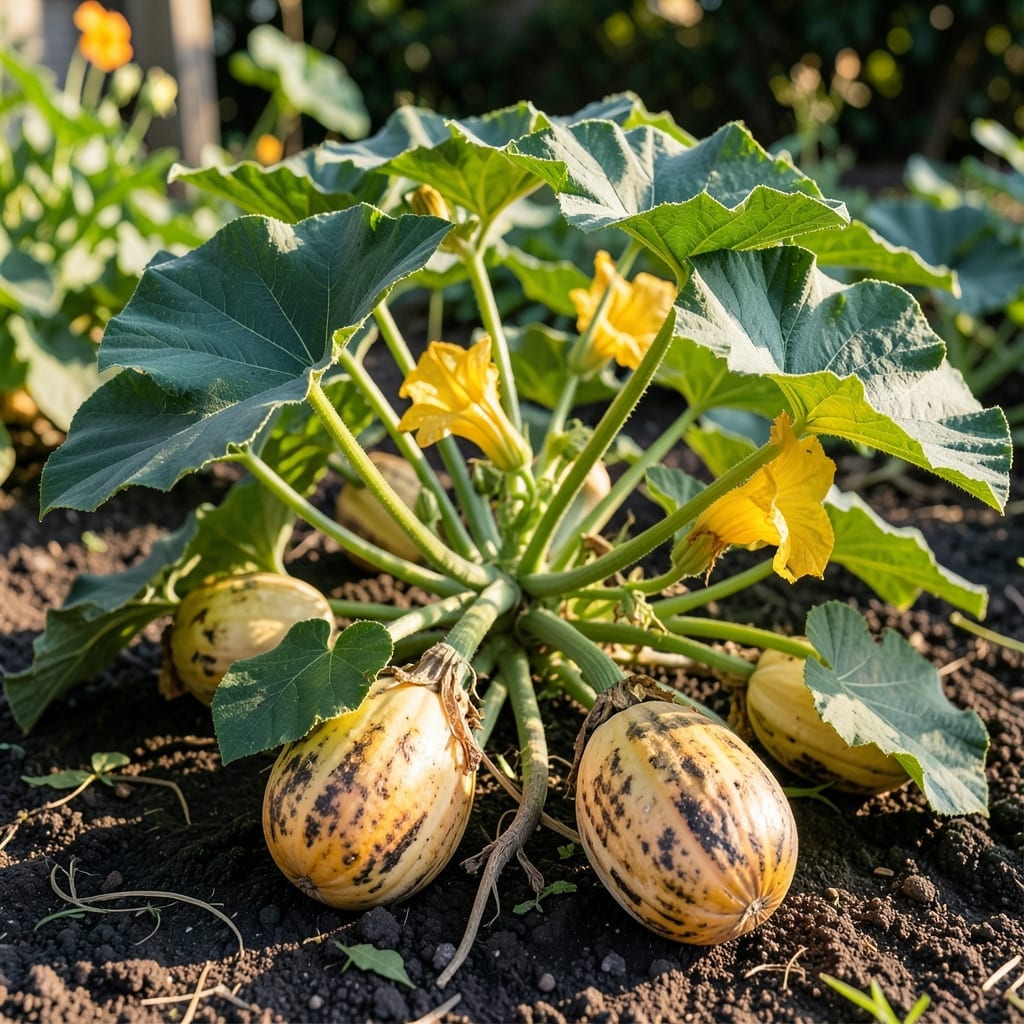
Nothing kills a gardener’s spirit faster than watching healthy squash turn to mush overnight. I’ve lost entire crops to vine rot before learning the early warning signs—soft spots, discolored patches, and that telltale sour smell.
This usually starts with poor air circulation, overwatering, or soil-borne diseases. The fix isn’t complicated: space plants properly, water at the base, and rotate crops each season. Simple changes, big difference.
You’ll spot trouble before it spreads by checking vines daily. Early intervention saves the rest of your harvest. I now catch issues within 24 hours and stop them cold.
Works for zucchini, pumpkins, and all summer squash varieties. Here’s how to keep your vines productive all season long.
Squash rotting on the vine often stems from a mix of environmental, biological, and cultural factors. Understanding these root causes can help you prevent the issue before it starts. Below are the most common culprits.
Excess moisture is a primary trigger for rot. Squash plants thrive in well-draining soil, but waterlogged conditions suffocate the roots and invite fungal pathogens like Phytophthora or Pythium. These fungi attack the vine at the soil line, causing soft, discolored lesions that spread upward. To avoid this, water deeply but infrequently—aim for 1–1.5 inches per week—and ensure your soil has good drainage.
Pathogens such as Fusarium wilt, powdery mildew, or bacterial soft rot (Erwinia spp.) can lead to vine collapse. These organisms thrive in humid, crowded environments. Infected vines may show yellowing, wilting, or oozing sores. Rotate crops annually, space plants properly for airflow, and remove infected debris to break the disease cycle.
Insects like squash vine borers or cucumber beetles create wounds that serve as entry points for rot-causing microbes. The borer larvae tunnel into stems, weakening the plant and making it susceptible to secondary infections. Use row covers early in the season and inspect vines regularly for signs of pest activity, such as holes or frass (insect excrement).
Extreme heat, cold snaps, or nutrient deficiencies can stress squash plants, reducing their natural defenses. Heat stress, for example, can cause blossom-end rot, while cold soil slows root development, leading to poor nutrient uptake. Mulch around the base to regulate soil temperature and maintain consistent moisture levels. A balanced fertilizer can also help fortify the plant against stress.
Saving your squash from rot means acting fast once you spot the issue. Below are targeted fixes for the most common causes, paired with prevention tips to keep your vines healthy all season long.
Fix: Reduce watering immediately and check soil moisture before each session—stick your finger 1-2 inches into the soil. If it feels damp, hold off. Improve drainage by amending heavy clay soil with compost or creating raised beds. For potted squash, ensure containers have drainage holes.
Prevent it: Water at the base of the plant in the morning (not overhead) to allow foliage to dry. Use drip irrigation for consistent moisture without oversaturation. 💡 Pro tip: Mulch with straw to retain even moisture and prevent soil splash onto leaves.
Fix: Remove infected fruits and leaves immediately to stop the spread. Apply a copper-based fungicide or neem oil spray to the vines, focusing on undersides of leaves. For severe cases, prune affected areas with sterilized shears.
Prevent it: Space plants 3–4 feet apart for airflow, and rotate crops yearly to avoid soil-borne pathogens. Clean up garden debris at season’s end to reduce overwintering spores. ✨ Bonus: Choose disease-resistant squash varieties like ‘Disease Resistant Zucchini’ or ‘Buttercup’.
Fix: Handpick pests like squash bugs or cucumber beetles early in the morning when they’re sluggish. Use row covers to protect young plants. For severe infestations, apply insecticidal soap or pyrethrin spray, following label instructions.
Prevent it: Encourage beneficial insects (e.g., ladybugs, lacewings) by planting companion flowers like marigolds or nasturtiums. Inspect vines weekly for eggs or larvae under leaves. 🎯 Pro tip: Trap cucumber beetles with yellow sticky cards.
Fix: Shield plants from extreme heat with shade cloth during peak afternoon hours. If cold snaps are forecasted, cover young plants with frost blankets or old bedsheets overnight.
Prevent it: Plant squash after the last frost date when soil has warmed to at least 60°F. Use black plastic mulch to retain heat in cooler climates. 🌡️ Remember: Consistent temperatures (70–85°F) promote healthy growth and reduce stress-related rot.
Yes, too much water creates soggy soil that suffocates roots and invites fungal diseases. Aim for 1-1.5 inches of water per week and always check soil moisture first.
Look for entry holes in vines or stems, frass (insect waste), or wilting. Squash vine borers and cucumber beetles are common culprits that create wounds for rot to enter.
Prune affected fruits and leaves immediately with sterilized tools. This prevents spread to healthy parts of the plant and others nearby.
Space plants 3-4 feet apart for proper airflow. Crowding traps moisture and encourages fungal growth that leads to rotting.