
Beautiful Plants For Your Interior
Beautiful Plants For Your Interior
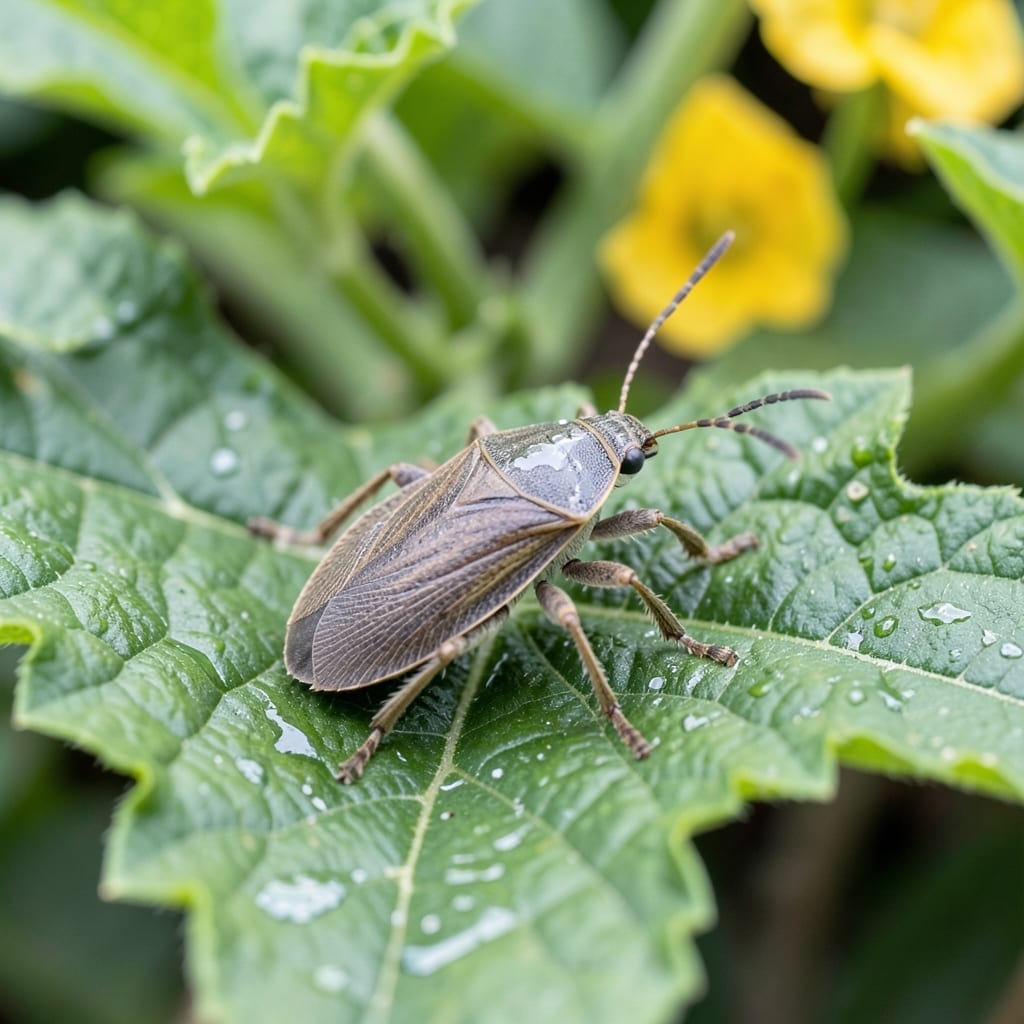
Squash bugs nearly destroyed my zucchini patch last summer. This simple soap spray changed everything by targeting pests without harming plants or beneficial insects.
It’s a foolproof method using basic household items you already own. The key is the right soap-to-water ratio and proper timing—early morning or late evening works best.
You’ll see results within 24-48 hours as the soap breaks down the bugs’ protective outer layer. Reapply every 4-5 days or after rain for continued protection.
Safer than chemical pesticides, this approach keeps your garden healthy while solving the squash bug problem naturally.
Squash bugs thrive in garden environments due to a combination of biological and environmental factors. Understanding these causes helps you address the root of the problem before reaching for soap spray solutions.
Squash bugs are highly specialized feeders, targeting plants in the Cucurbitaceae family, such as squash, pumpkins, and cucumbers. These plants produce compounds that attract the bugs, while their broad leaves provide shelter and abundant sap for feeding and egg-laying.
These pests flourish in hot, arid climates. Dry soil and warm temperatures accelerate their life cycle, leading to rapid population growth. Gardens with poor irrigation or mulch coverage are especially vulnerable, as squash bugs seek out moist soil only for egg deposition.
Overwintering adult squash bugs hide in plant debris, leaf litter, or thick mulch during colder months. If your garden isn’t cleaned up in fall, these pests emerge in spring ready to infest new growth. Removing old plant material disrupts their lifecycle effectively.
Squash bugs can wreak havoc on your garden, but with the right approach, you can reclaim your plants. Below are targeted solutions to common issues, along with prevention tips to keep these pests at bay.
If you spot a few squash bugs, act fast. Check the undersides of leaves and near the base of plants, where they lay eggs. Drop them into a bucket of soapy water to eliminate them instantly. Prevention tip: 💡 Inspect plants daily, especially in the morning when bugs are less active.
A homemade insecticidal soap spray is a safe, organic solution. Mix 1 tablespoon of mild liquid soap (like Castile) with 1 quart of water. Spray directly on bugs and eggs, focusing on leaf undersides. Reapply every 4–5 days or after rain. Prevention tip: 🌡️ Apply in the early morning or late evening to avoid harming beneficial insects like bees.
Protect vulnerable seedlings with floating row covers. These lightweight fabrics block adult squash bugs while allowing light and water to reach plants. Remove covers once flowers appear to permit pollination. Prevention tip: ✨ Secure edges with soil or rocks to prevent bugs from crawling underneath.
Squash bugs overwinter in garden debris. After harvest, remove all plant residue and till the soil to expose hiding bugs to predators and cold. Prevention tip: 🎯 Rotate crops yearly to disrupt their breeding cycle.
Combine these methods for the best results. Consistency is key—stay vigilant, and your garden will thrive!
Use a mild liquid soap like Castile or dish soap. Avoid detergents or soaps with degreasers, as they can harm plants. 1 tablespoon per quart of water is the ideal ratio for effectiveness.
Reapply every 4-5 days or after rain, as the solution loses potency when wet. For severe infestations, you may need to spray daily until the problem is under control.
Spray in the early morning or late evening when bees and other pollinators are less active. The soap targets soft-bodied pests like squash bugs but minimizes harm to beneficial insects.
Yes, this spray also works on aphids, whiteflies, and spider mites. Always test on a small area of the plant first to ensure it doesn’t cause damage.