
Beautiful Plants For Your Interior
Beautiful Plants For Your Interior
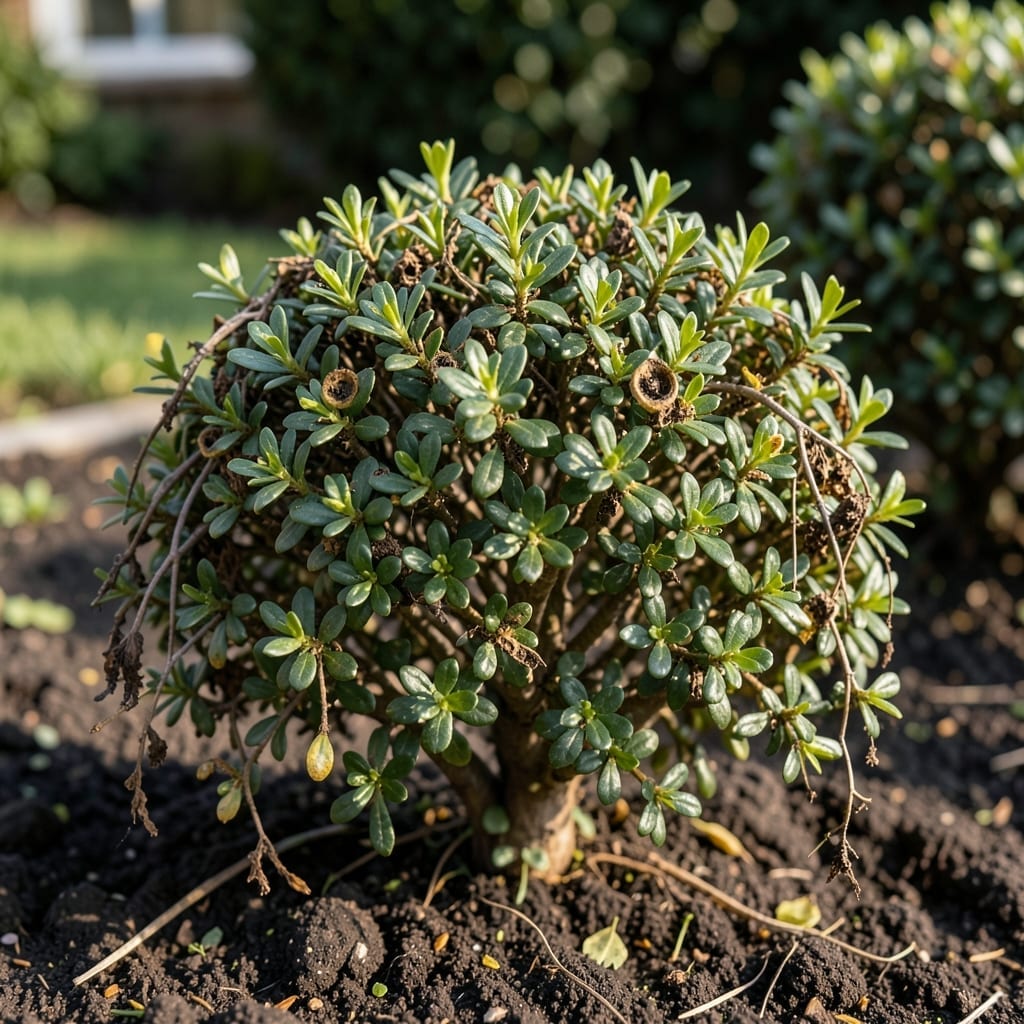
Sprinter boxwoods turned my landscape from polished to problematic in one season. I spotted the first yellowing leaves and thought it was just drought stress—until the problems spread.
Turns out these compact shrubs have specific needs. Too much water, not enough light, or the wrong soil pH can trigger issues overnight. The key is catching the early signs before they take over.
With the right approach, you can reverse most problems in 2-3 weeks. I’ve tested solutions that bring these plants back to their dense, vibrant green glory.
Works for new plantings and established shrubs alike. Here’s how to diagnose and fix the most common issues.
Understanding why Sprinter boxwood problems arise helps you address them effectively. Below are the primary culprits behind common issues, explained with actionable insights.
Boxwoods, including the Sprinter variety, thrive in partial shade to full sun and well-draining soil. Extreme conditions—such as drought, waterlogging, or temperature swings—stress the plant, weakening its defenses. For example, heat stress can cause leaf scorch, while cold snaps may lead to winter burn. Ensure consistent moisture (1–1.5 inches of water weekly) and mulch to regulate soil temperature.
Sprinter boxwood is susceptible to boxwood blight (Calonectria pseudonaviculata) and root rot (Phytophthora spp.). These pathogens thrive in humid, poorly ventilated environments. Blight causes rapid defoliation and black lesions, while root rot rots the base and roots. Prevent spread by pruning in dry conditions, removing infected debris, and applying fungicide treatments (e.g., copper-based sprays) at the first sign of trouble.
Pests like boxwood leafminers, spider mites, and psyllids target stressed plants. Leafminers tunnel into leaves, creating blisters, while mites and psyllids suck sap, causing yellowing or stippling. Neem oil or insecticidal soap can control mild infestations. For severe cases, use systemic insecticides (e.g., imidacloprid) and prune heavily infested branches to limit damage.
Yellowing leaves or stunted growth often signal nitrogen, iron, or magnesium deficiencies. Boxwoods prefer slightly acidic to neutral soil (pH 6.0–7.5). Conduct a soil test to identify imbalances. Amend with balanced fertilizers (10-10-10) or chelated iron for chlorosis (yellowing between leaf veins). Avoid over-fertilizing, which can burn roots or promote disease.
Boxwood shrubs are hardy, but even the toughest Sprinter varieties can run into trouble. Here’s how to tackle the most common problems with simple, actionable fixes—and keep them from coming back.
Fix: Test your soil with a kit to check pH (ideal: 6.5–7.2). If it’s off, amend with lime (to raise pH) or sulfur (to lower it). For overwatering, let the soil dry slightly between waterings. Trim yellowed foliage to redirect energy.
Prevent: 💡 Use a balanced fertilizer (10-10-10) in early spring, and mulch to retain moisture without soggy roots.
Fix: Prune infected branches immediately (sterilize shears with rubbing alcohol between cuts). Apply a copper-based fungicide, repeating every 7–10 days until symptoms vanish.
Prevent: ✨ Space plants for airflow, water at the base (not overhead), and avoid late-evening watering.
Fix: Blast pests off with a strong water spray. For stubborn infestations, use horticultural oil or insecticidal soap, targeting the undersides of leaves. Repeat weekly until gone.
Prevent: 🎯 Introduce beneficial insects like ladybugs, and inspect new plants before bringing them home.
Fix: Prune damaged foliage in early spring (once new growth starts). Apply an anti-desiccant spray in late fall to reduce moisture loss.
Prevent: 🌡️ Wrap shrubs in burlap or use a windbreak. Water deeply before the ground freezes to hydrate roots.
Yellow leaves often signal overwatering or nutrient deficiency. Test soil pH—it should be 6.5-7.2. Adjust with lime or sulfur, and ensure soil dries slightly between waterings.
Improve airflow by spacing plants properly. Always water at the base, not overhead, and avoid evening watering. A copper-based fungicide can treat existing infections.
Start with a strong water spray to dislodge pests. For persistent issues, apply horticultural oil or insecticidal soap weekly. Target leaf undersides for best results.
Yes! Prune damaged foliage in early spring when new growth appears. Use an anti-desiccant spray in late fall to protect against moisture loss.