
Beautiful Plants For Your Interior
Beautiful Plants For Your Interior
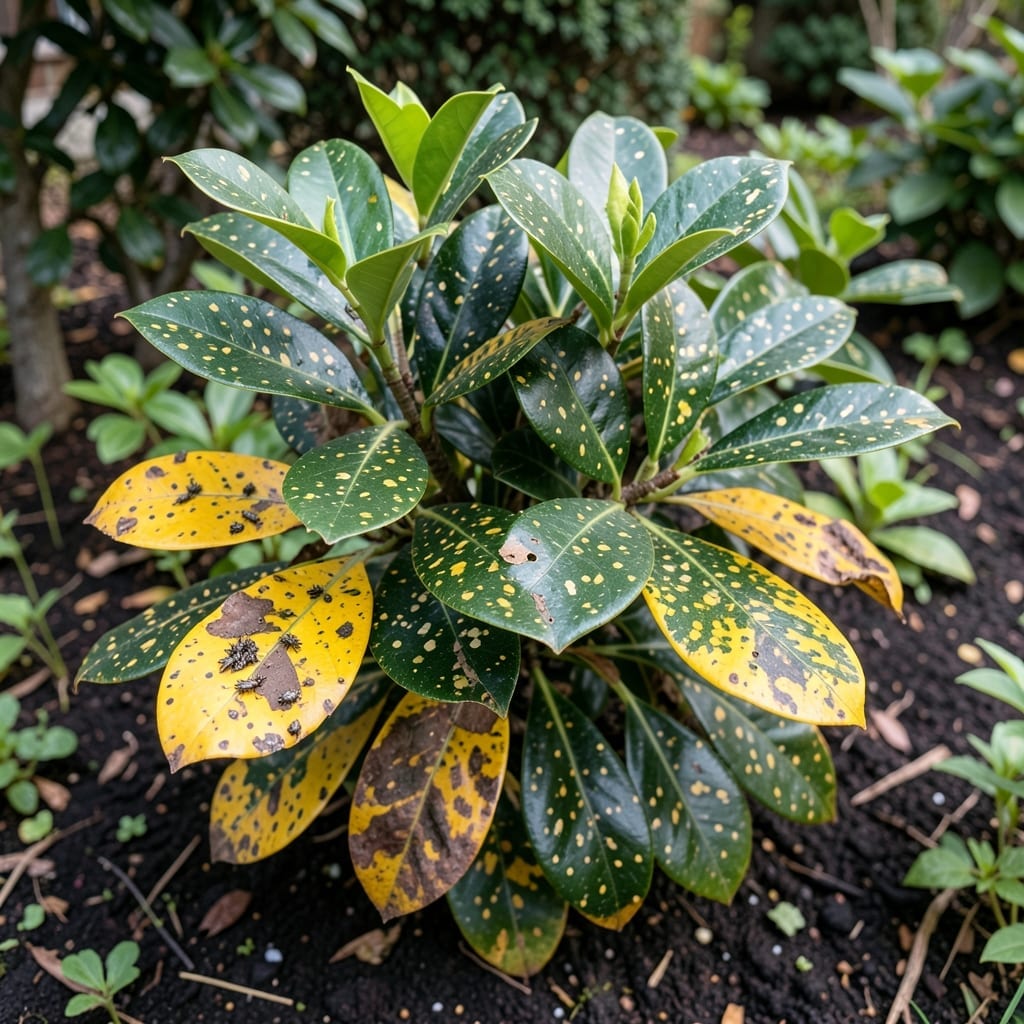
Spotted laurel can turn from lush to lackluster faster than you’d expect. I’ve watched mine go from vibrant green to spotted and sad in weeks, and the culprits are usually hiding in plain sight.
Most issues start with water—too much or too little—and spread from there. Yellow leaves, brown edges, or sudden drooping? That’s your plant waving a white flag. Then there are the pests, like scale or mealybugs, that love to hitch a ride.
Catching problems early is half the battle. A quick inspection of leaves, stems, and soil can reveal what’s wrong before it’s too late. The fixes are often simpler than you think—adjusting care or a gentle treatment.
With the right approach, you can nurse it back to health and keep it thriving for years. Here’s how to spot trouble and stop it in its tracks.
The spotted laurel (Aucuba japonica) is a hardy shrub, but it can still fall victim to a few key problems. Understanding the root causes helps you address them effectively.
Spotted laurel thrives in well-draining, slightly acidic to neutral soil (pH 6.0–7.0). Compacted or waterlogged soil restricts root oxygen uptake, leading to root rot or nutrient deficiencies. Heavy clay or sandy soils can also cause stunted growth and yellowing leaves (chlorosis).
While spotted laurel tolerates shade, prolonged low light weakens the plant, making it susceptible to pests like scale insects or spider mites. Conversely, intense direct sunlight (especially in hot climates) can scorch leaves, causing brown, crispy patches.
Overwatering is a leading cause of spotted laurel decline. Soggy soil promotes fungal diseases such as Phytophthora root rot, which turns leaves black and wilts foliage. Underwatering, on the other hand, leads to leaf drop and dry, brittle stems.
Common pests like apids, mealybugs, and whiteflies feed on sap, weakening the plant and introducing sooty mold. Scale insects (often overlooked due to their waxy coating) can cause yellowing leaves and stunted growth by blocking nutrient flow.
High humidity or poor air circulation invites leaf spot diseases (e.g., Septoria or Cercospora), which create dark, irregular spots. Bacterial leaf scorch (Xylella fastidiosa) causes marginal browning and dieback, often spread by contaminated pruning tools.
Dealing with spotted laurel problems can feel overwhelming, but with the right approach, you can restore your plant’s health. Below are targeted solutions for common issues, along with prevention tips to keep your shrub thriving.
Fix: Test the soil pH (ideal range: 6.0–7.5). If it’s too acidic or alkaline, amend with lime (to raise pH) or sulfur (to lower pH). Apply a balanced, slow-release fertilizer (10-10-10) in early spring and mid-summer. Avoid over-fertilizing, which can burn roots.
Prevention: Mulch annually with organic matter (e.g., compost or well-rotted manure) to improve soil fertility and moisture retention.
Fix: For scale insects, scrape off manually with a cotton swab dipped in rubbing alcohol, then apply neem oil or insecticidal soap. For aphids or spider mites, blast them off with water or use pyrethrin-based sprays. Repeat every 7–10 days until gone.
Prevention: Encourage natural predators like ladybugs and lacewings. Keep the plant well-hydrated—stressed plants attract pests more easily.
Fix: Prune and destroy infected leaves immediately to prevent spread. Apply a copper fungicide or baking soda solution (1 tbsp baking soda + 1 tsp dish soap + 1 gallon water) every 2 weeks. Improve air circulation by thinning dense foliage.
Prevention: Water at the base of the plant (avoid wetting leaves) and space plants 3–4 feet apart. Clean up fallen debris regularly.
Fix: Stop watering and let the soil dry out. If the roots are mushy, trim the affected parts with sterilized shears and repot in fresh, well-draining soil. Add perlite or sand to improve drainage.
Prevention: Plant in a spot with good drainage and use a pot with drainage holes if growing in containers. Water only when the top 1–2 inches of soil are dry.
💡 Pro Tip: Regularly inspect your spotted laurel for early signs of trouble—catching issues early makes treatment far easier!
Yellowing often signals nutrient deficiency or poor soil conditions. Test your soil pH and amend if outside the 6.0–7.5 range. A balanced fertilizer can restore missing nutrients.
Black spots usually indicate fungal disease. Remove infected leaves and apply a copper fungicide or baking soda solution. Improve air circulation to prevent recurrence.
Yes, if caught early. Stop watering, trim mushy roots, and repot in fresh, well-draining soil. Ensure your container has drainage holes to prevent future issues.
Watch for scale, aphids, and spider mites. Treat with neem oil or insecticidal soap, and encourage natural predators like ladybugs.