
Beautiful Plants For Your Interior
Beautiful Plants For Your Interior
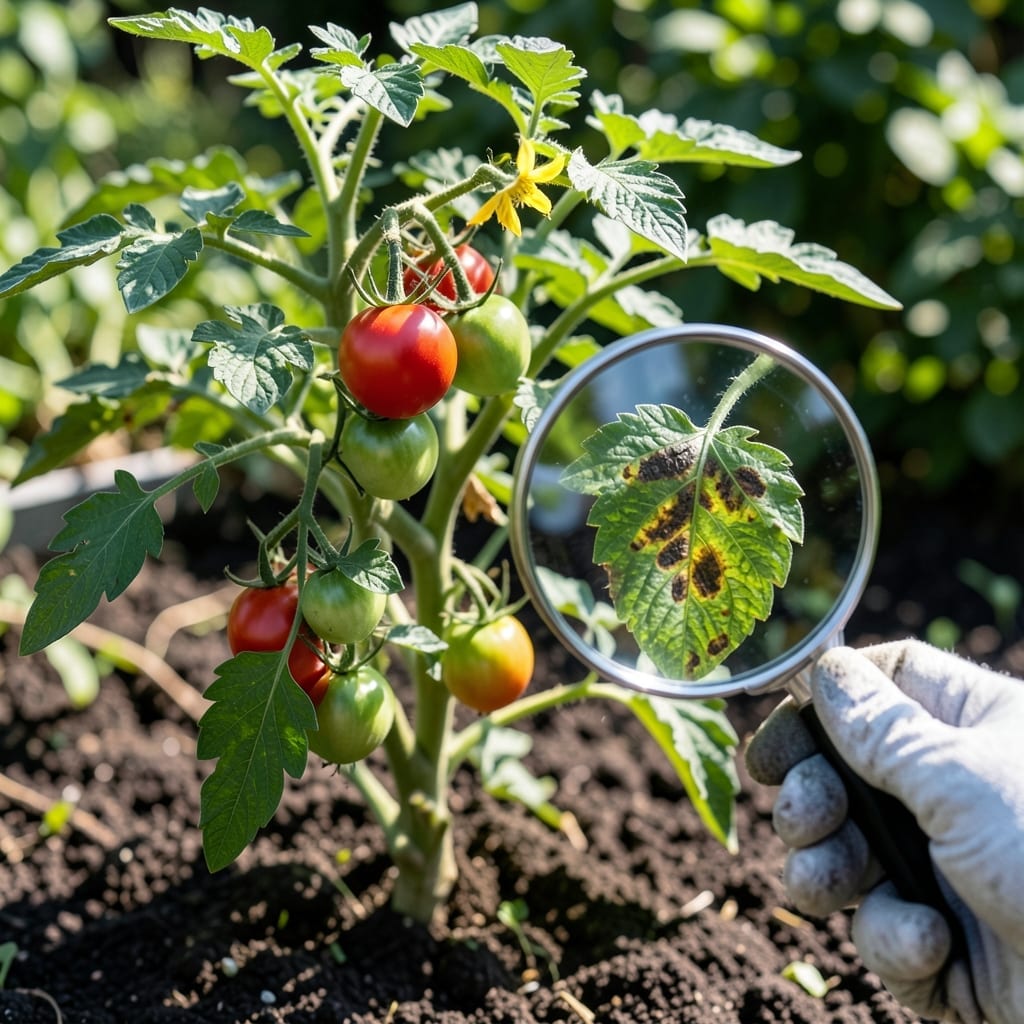
Brown spots on your zucchini leaves last week sent me into a panic. Turns out, most leaf spots follow 3 simple patterns that reveal exactly what’s wrong and how to fix it.
I spent years guessing until I started matching spot shapes, colors, and edges to specific diseases. Now I can diagnose most problems in 30 seconds with just a quick look at the leaves.
You’ll learn to tell fungal spots from bacterial ones, when to prune and when to treat, and the organic sprays that actually work. This saves plants and prevents next year’s outbreaks.
Works for tomatoes, roses, squash—anything growing in your garden. Let’s clear up the confusion.
Plant diseases like leaf spots don’t just appear out of thin air—they’re usually the result of specific environmental, biological, or cultural factors. Understanding these triggers helps you prevent outbreaks before they start. Here’s a breakdown of the most common causes:
Fungal and bacterial pathogens thrive in wet conditions. Overwatering, high humidity, or poor soil drainage creates the perfect breeding ground for Alternaria, Septoria, and other spot-causing organisms. Waterlogged roots weaken plants, making them more susceptible to infection. Action: Ensure proper drainage and water at the base of plants to keep foliage dry.
Sudden temperature swings or prolonged heat stress can compromise a plant’s immune system. Cool, damp nights (50–65°F) encourage fungal spores to germinate, while extreme heat can scorch leaves, creating entry points for pathogens. Action: Use row covers or shade cloth to stabilize temperatures and reduce stress.
Spores and bacteria spread via wind, rain, contaminated tools, or even infected plant debris. Overcrowded plants with poor air circulation exacerbate the problem, as moisture lingers on leaves. Action: Sterilize pruning tools, remove infected plant material, and space plants properly to improve airflow.
Weak or over-fertilized plants are more vulnerable to disease. Nitrogen-heavy soils promote lush, soft growth that’s easily infected, while potassium or calcium deficiencies weaken cell walls. Action: Conduct a soil test and amend with balanced organic fertilizers to strengthen plant resilience.
Once you’ve identified the issue, act fast with these targeted fixes. Early intervention keeps your plants healthy and stops problems from spreading.
Trim infected leaves with clean shears and remove fallen debris. Space plants to allow airflow, and water at the base to keep foliage dry. Apply a baking soda spray (1 tsp baking soda, 1 quart water, a few drops of dish soap) weekly until symptoms fade.
Prevention: Avoid overhead watering and thin dense plantings. 💡 Pro tip: Water in the morning so leaves dry by nightfall.
Blast aphids or mites off with water, then introduce ladybugs or neem oil (mix 1 tbsp oil per gallon of water). For slugs, set out beer traps or crushed eggshells as barriers.
Prevention: Inspect new plants before bringing them home and rotate crops yearly to disrupt pest cycles.
Remove affected leaves and apply a copper fungicide (follow label instructions). Sterilize tools with rubbing alcohol after each use to prevent spreading bacteria.
Prevention: Avoid working with wet plants, and disinfect pots and garden beds between plantings. ✨ Bonus: Resistant varieties like ‘Defiant’ tomatoes can save future headaches.
Let soil dry between waterings and repot plants in well-draining mix if roots are soggy. Trim black, mushy roots and move pots to a sunnier spot.
Prevention: Use pots with drainage holes and stick your finger in soil—water only if the top inch is dry. 🌡️ Check: A moisture meter is a game-changer for new gardeners.
Fungal spots often have a ring-like pattern or fuzzy edges, while bacterial spots are water-soaked with yellow halos. Check the leaf underside for fungal growth.
Yes, pruning infected leaves immediately stops the spread. Always use sterilized tools and dispose of debris far from plants.
A baking soda spray (1 tsp per quart of water + soap) works on fungal spots. For bacteria, copper fungicide is most effective.
Excess moisture creates ideal conditions for fungal growth. Let soil dry between waterings and improve drainage.