
Beautiful Plants For Your Interior
Beautiful Plants For Your Interior
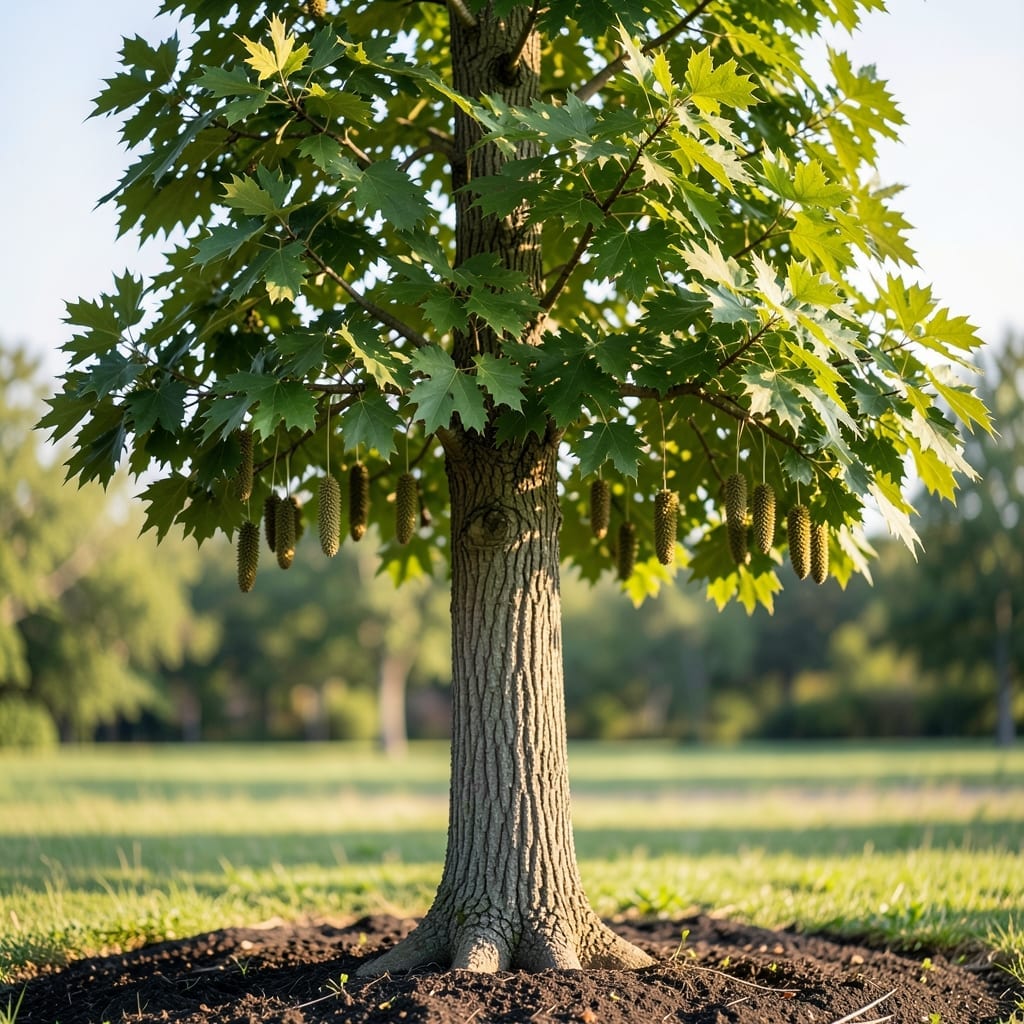
Those spiky balls littering your yard aren’t random debris. They’re nature’s way of protecting seeds or housing insects, depending on the tree.
I’ve found sweetgum pods, sycamore balls, and oak galls in my own landscape. Each tells a different story about the tree’s life cycle or its interaction with insects.
Removal is simpler than you think. A rake, sturdy gloves, and a wheelbarrow handle most situations. The key is timing—collect them before they split open and spread more seeds.
Eco-friendly disposal means composting for some, trash for others. I’ll show you which is which and how to keep your yard clean without harming the environment.
Those prickly pods littering your yard aren’t random—they’re a natural (and often necessary) part of a tree’s life cycle. Here’s the science behind why some trees produce and drop these spiky balls.
Many spiky balls, like those from sweetgum trees (Liquidambar styraciflua), are capsules designed to protect seeds. The hard, spiky exterior shields the seeds inside from predators and harsh weather. When mature, the pods split open, releasing seeds for germination. The spikes may also help the pods catch on animal fur or roll away from the parent tree, increasing the chances of seed dispersal.
Deciduous trees, such as sycamores and London planetrees, drop spiky seed balls in fall or winter as part of their annual cycle. This shedding is triggered by hormonal changes and shorter daylight hours, signaling the tree to conserve energy. The spiky balls dry out, detach, and fall to the ground, making way for new growth in spring.
In some cases, the spiky exterior serves as a deterrent. Trees like the chestnut or horse chestnut produce prickly husks (called burrs) to protect their seeds from hungry squirrels, birds, and insects. The sharp spines make it difficult for animals to access the seeds until they’re fully ripe and ready for dispersal.
Stressed trees—whether from drought, disease, or poor soil conditions—may produce an excess of spiky seed pods as a survival tactic. The tree prioritizes reproduction to ensure its species continues, even if individual health is compromised. If you notice an unusual surge in spiky balls, it could signal your tree is under pressure.
Dealing with spiky seed pods or balls from trees can be a nuisance, but these practical solutions will help you manage and prevent the issue effectively.
Rake or sweep up fallen spiky balls weekly to prevent them from spreading or causing injuries. Use a sturdy outdoor broom or leaf blower for larger areas. Wear thick gloves to protect your hands from sharp spines.
Prune overhanging branches to reduce the number of seed pods dropping in high-traffic areas. Trim in late winter or early spring before new growth starts. Always use clean, sharp tools and follow proper pruning techniques to avoid damaging the tree.
Lay down landscape fabric or tarp covers under trees to catch falling spiky balls. This makes cleanup easier and prevents them from embedding in grass or soil. Secure the edges to avoid wind displacement.
For persistent issues, consider removing female trees (which produce seed pods) and replacing them with male or seedless varieties. Consult a local arborist to identify the tree species and the best course of action.
Pro Tip 💡: If spiky balls are from invasive species like sweetgum or sycamore, check local regulations before removal—some areas restrict cutting certain trees.
Sweetgum, sycamore, and chestnut trees are the most common. Sweetgum produces round, spiky balls while sycamores drop smooth, ball-like clusters. Chestnuts have very sharp husks.
Running over spiky balls can damage mower blades and scatter sharp debris. Always rake them up before mowing to protect your equipment.
Yes, but first dry and crush them to speed up decomposition. Avoid composting large quantities at once as they can mat together and slow the process.
Most trees drop spiky balls in fall or early winter. Some varieties like sweetgum may produce a second smaller crop in spring. Timing varies by species and climate.