
Beautiful Plants For Your Interior
Beautiful Plants For Your Interior
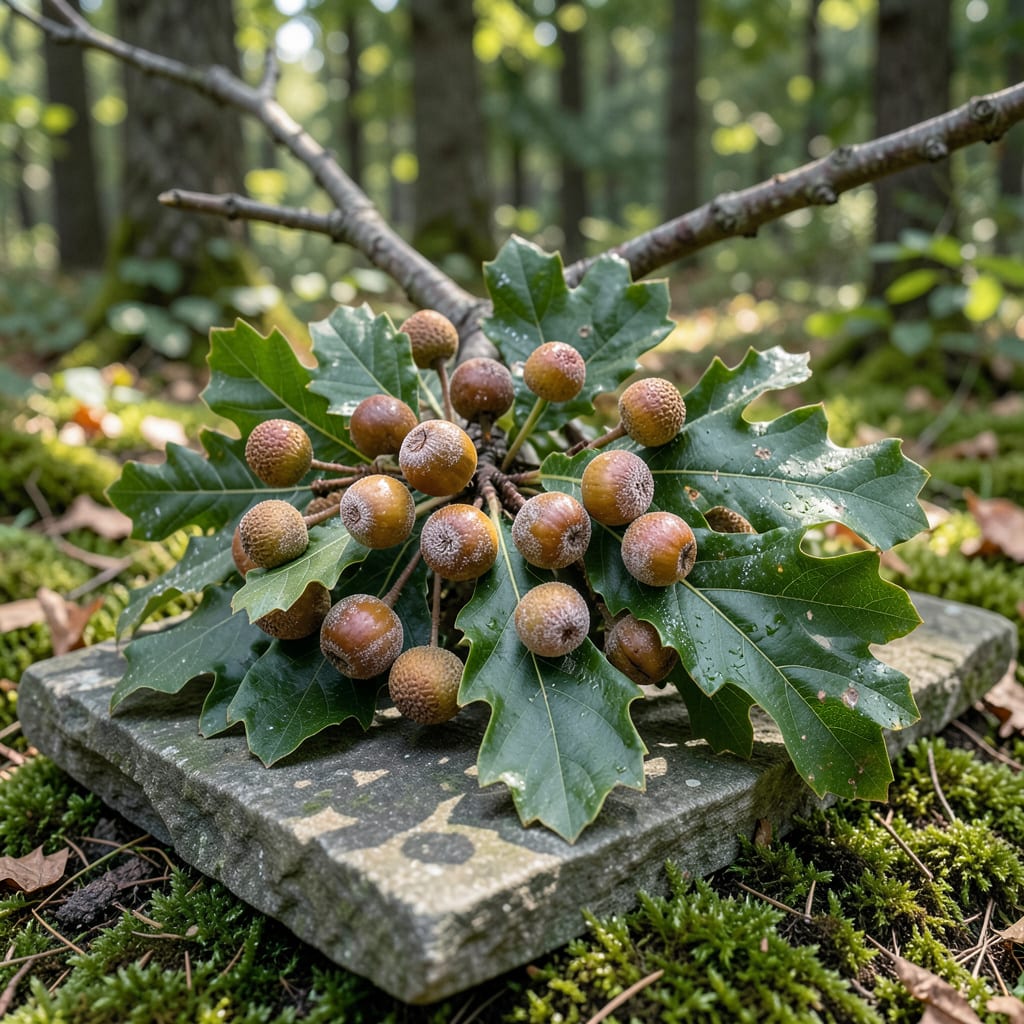
Those strange bumps on your oak leaves aren’t disease—they’re actually tiny nurseries. I first noticed them three summers ago and panicked, but here’s the thing—most galls won’t kill your tree.
Caused by wasps, mites, or bacteria, these growths form when the tree reacts to protect itself. The good news? Many are harmless, though heavy infestations can stress young or weak oaks.
You’ll spot them as round, spongy, or fuzzy growths on leaves, stems, or bark. Some look like tiny apples, others like felt-covered pimples—each type points to a different culprit.
Treatment starts with removing fallen leaves and pruning affected branches. For severe cases, a targeted spray can help, but timing is everything.
Galls on oak leaves are abnormal growths triggered by external irritants. These deformities are the tree’s defensive response to invaders, forming a protective barrier to isolate the intruder. Below are the primary causes, each with distinct characteristics and mechanisms.
Most oak leaf galls are caused by tiny, specialized insects like gall wasps (Cynipidae family) or gall midges. Females lay eggs in leaf tissue, and the developing larvae release chemicals that manipulate the tree’s growth hormones. This results in the formation of a gall, which provides shelter and food for the larvae. Each wasp species creates a uniquely shaped gall, aiding in identification.
Certain fungi, such as those in the Taphrina genus, can induce gall-like structures on oak leaves. These pathogens infect the leaf tissue, causing abnormal cell division and swelling. Unlike insect-induced galls, fungal galls often appear as thickened, distorted areas and may be accompanied by discoloration or a powdery residue.
Though less common, bacteria like Agrobacterium tumefaciens can cause gall formation. These bacteria enter through wounds or natural openings, altering the tree’s cellular processes. Bacterial galls are typically softer and more irregular in shape compared to those caused by insects or fungi.
In rare cases, environmental stressors such as chemical exposure or mechanical damage can lead to gall-like growths. These are not true galls but rather a result of the tree’s reaction to injury. They lack the structured, species-specific forms seen in insect or pathogen-induced galls.
Dealing with galls on your oak tree leaves starts with identifying the cause and applying the right fix. Below are practical solutions tailored to common triggers, along with prevention tips to keep your tree healthy.
If wasps or mites are the culprits, prune affected leaves or branches and dispose of them in sealed bags. This prevents the pests from spreading. For severe infestations, apply horticultural oil or insecticidal soap in early spring before new growth appears. Prevention tip: 💡 Encourage beneficial insects like ladybugs or parasitic wasps, which naturally control gall-causing pests.
Fungal galls thrive in damp, poorly ventilated environments. Thin out dense branches to improve airflow and reduce moisture buildup. Apply a copper-based fungicide in early spring or fall to protect new growth. Prevention tip: ✨ Avoid overhead watering—water at the base of the tree to keep leaves dry.
Bacterial galls often enter through wounds. Sterilize pruning tools with rubbing alcohol between cuts to avoid spreading the bacteria. Remove and destroy infected plant material immediately. Prevention tip: 🎯 Disinfect any garden tools that come into contact with the tree, and avoid working with the tree when it’s wet.
If galls are due to stress from drought or poor soil, improve growing conditions. Mulch around the base to retain moisture, and fertilize in early spring to strengthen the tree. Ensure the oak gets full sunlight and proper drainage. Prevention tip: 🌡️ Monitor soil moisture and adjust watering as needed to avoid stress.
By addressing the root cause and following these steps, you can reduce gall formation and help your oak tree thrive!
Most galls are harmless and won’t kill a healthy oak. However, severe infestations can stress young or weak trees.
Remove and destroy fallen leaves and prune affected branches. This breaks the pest life cycle.
Apply horticultural oil or insecticidal soap in early spring before new growth appears. Timing is critical for effectiveness.
