
Beautiful Plants For Your Interior
Beautiful Plants For Your Interior
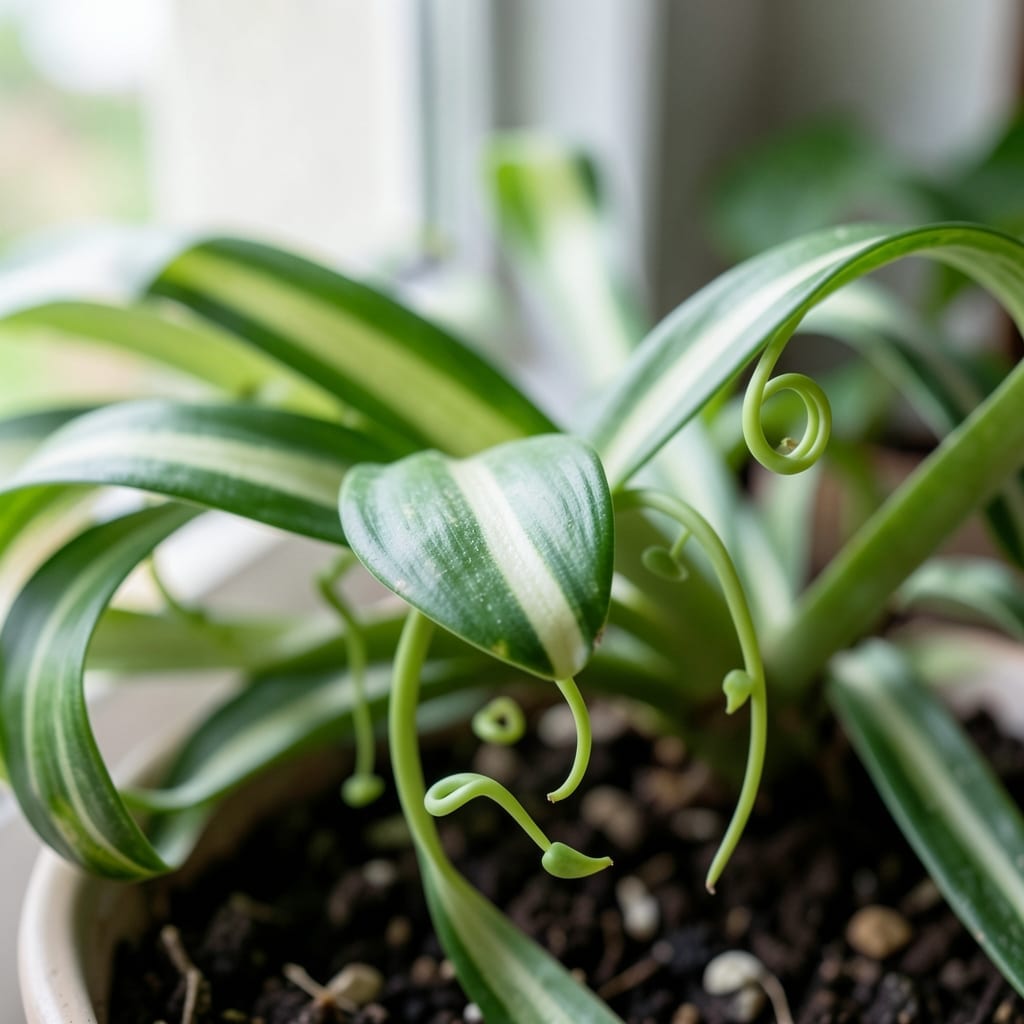
My spider plant’s leaves curled overnight, and I panicked. Turns out, it’s usually just thirst, drowning, or a bug party on the undersides.
I’ve seen this happen when the soil stays dry for 3+ days or when the pot sits in water. The leaves curl to conserve moisture or protect themselves from pests.
Once I adjusted my watering schedule and checked for spider mites, the new growth came in straight and strong. It’s a foolproof fix once you know what to look for.
Works for any spider plant variety, in any home. Here’s how to diagnose and fix it fast.
Spider plant leaves curl primarily due to environmental stress or improper care. Below are the most common causes, explained with actionable insights.
Spider plants thrive in 65–75°F (18–24°C). Exposure to cold drafts (below 50°F/10°C) or heat sources (above 80°F/27°C) disrupts cellular function, causing leaves to curl inward as a protective response. Move the plant away from AC vents, radiators, or drafty windows to stabilize its environment.
Inconsistent moisture levels trigger stress. Underwatering leads to dehydration, making leaves curl to reduce surface area and conserve water. Overwatering suffocates roots, impairing nutrient uptake and causing similar symptoms. Check soil moisture 1–2 inches deep—water only when dry, and ensure pots have drainage holes.
Native to tropical regions, spider plants prefer 40–60% humidity. Dry air (common indoors with heating/AC) draws moisture from leaves, prompting curling. Mist the plant regularly, use a humidity tray, or group it with other plants to elevate local humidity.
Lack of magnesium, potassium, or nitrogen can distort leaf growth, leading to curling. Yellowing often accompanies nutrient shortages. Fertilize monthly with a balanced liquid fertilizer (e.g., 10-10-10) during growing seasons, but avoid over-fertilizing, which can burn roots.
Sap-sucking pests like spider mites, aphids, or mealybugs weaken leaves, causing them to curl as the plant struggles to retain moisture. Inspect leaf undersides and treat with neem oil or insecticidal soap if pests are present.
Here’s how to nurse your spider plant back to health with targeted fixes for each common cause:
If the soil is bone-dry, give your plant a thorough soak until water drains from the bottom. Let excess water drain completely to avoid root rot. Prevention tip: 💡 Check the top inch of soil weekly—water when it feels dry. Consider a self-watering pot for consistent moisture.
Stop watering immediately and let the soil dry out. If root rot is suspected, trim black, mushy roots and repot in fresh, well-draining soil. Use a pot with drainage holes. Prevention tip: ✨ Water only when the top 1–2 inches of soil are dry, and use a moisture meter for accuracy.
Move your spider plant to a spot with bright, indirect light (e.g., near an east-facing window). If leaves are crispy or bleached, it’s getting too much direct sun. Prevention tip: 🎯 Rotate the plant occasionally for even light exposure.
Relocate your plant to a brighter area or supplement with a grow light (LED or fluorescent) for 10–12 hours daily. Prevention tip: 🔥 Avoid dim corners—spider plants thrive in moderate to bright indirect light.
Keep your plant in a room between 60–75°F (15–24°C). Avoid drafts from AC vents, heaters, or open windows. Prevention tip: 🌡️ Use a small fan for gentle airflow if needed, but avoid cold blasts.
Wipe leaves with a damp cloth or spray with neem oil (mix 1 tsp oil + 1 tsp dish soap per quart of water) to remove pests like spider mites or aphids. Isolate the plant to prevent spreading. Prevention tip: 🎯 Inspect leaves regularly and mist occasionally to deter pests.
Feed with a balanced, water-soluble fertilizer (10-10-10 or 20-20-20) diluted to half strength every 4–6 weeks during growing season (spring–fall). Prevention tip: 🌱 Flush the soil with water every few months to remove salt buildup.
Water when the top 1-2 inches of soil feel dry, typically every 7-10 days. Always check soil moisture first to avoid overwatering.
Yes, if you fix the underlying issue quickly. New growth will be healthy, but damaged leaves may stay curled. Trim severely affected ones to redirect energy.
Spider plants thrive at 40-60% humidity. Use a humidifier or pebble tray if your home is dry, especially in winter.
Check leaf undersides for tiny bugs, webbing, or sticky residue. Spider mites and aphids are common culprits. Treat immediately with neem oil.