
Beautiful Plants For Your Interior
Beautiful Plants For Your Interior
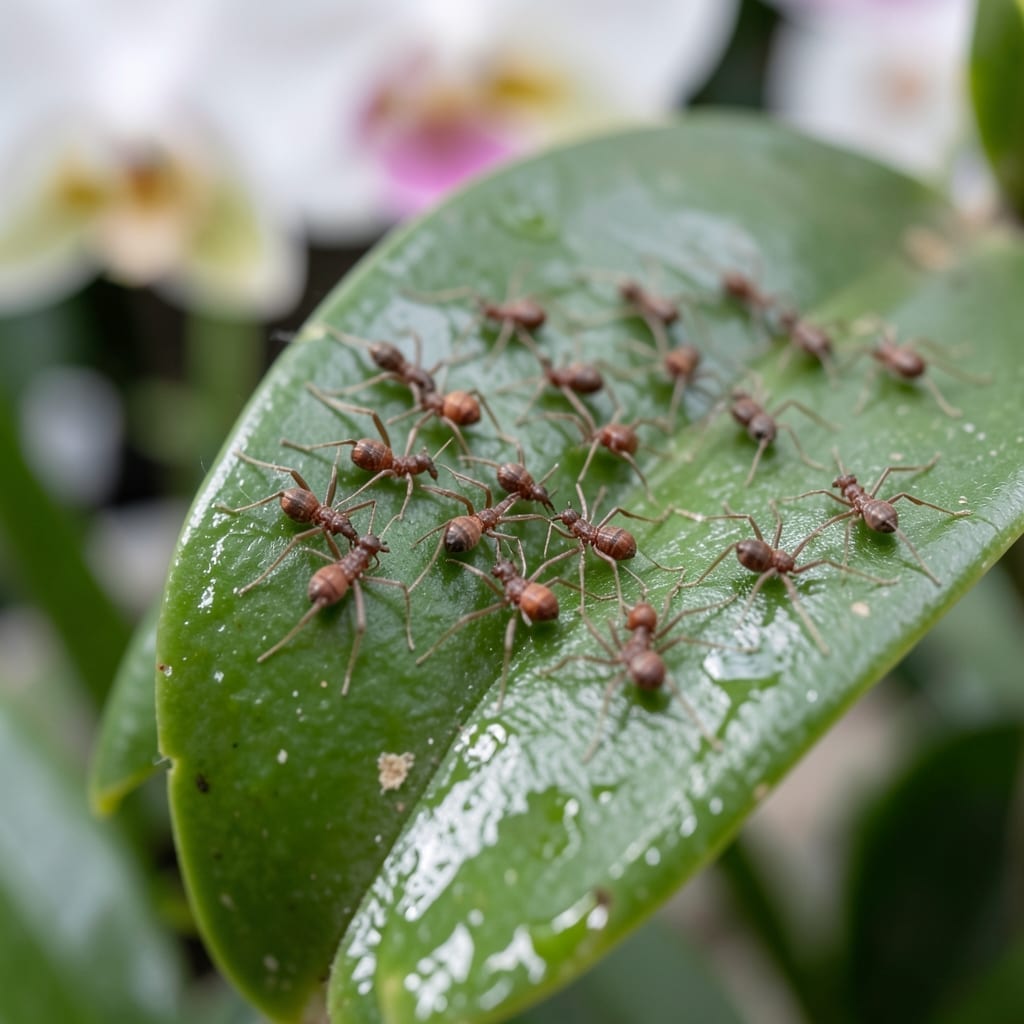
Tiny webs on your orchid leaves mean trouble. Spider mites are sneaky pests that can turn lush green foliage yellow and brittle before you even notice the damage.
I first spotted them as faint speckling on the undersides of leaves. By the time I saw the fine webbing, they’d already spread to three plants. These pests thrive in dry indoor conditions, making orchid collections especially vulnerable.
Organic solutions work surprisingly well. A simple spray of water can dislodge many mites, while neem oil disrupts their life cycle. The key is catching them early and being consistent with treatment.
Your orchids will recover with proper care. Regular inspection and maintaining humidity levels can prevent future infestations entirely.
Spider mites thrive on orchids for several scientific and environmental reasons. Understanding these causes helps prevent and control outbreaks effectively.
Spider mites prosper in dry conditions. Orchids, native to humid tropical environments, suffer when indoor humidity drops below 40-50%. These pests Tetranychus urticae reproduce rapidly in arid air, as their eggs and larvae desiccate less. Action: Maintain humidity at 50-70% using a humidifier or pebble tray.
Stagnant air creates ideal breeding grounds. Dense orchid displays or cluttered growing spaces limit airflow, allowing mites to spread unchecked. Action: Space plants 6-12 inches apart and use a gentle fan to improve circulation.
Drought-stressed orchids emit chemical signals that attract spider mites. These pests target weakened plants, as their cellular defenses are compromised. Action: Water orchids when the top 1 inch of substrate feels dry, avoiding both over- and underwatering.
Mites hitchhike on reused potting mix, unsterilized tools, or new plants. Hypoaspis miles, a predatory mite, can also introduce pest species if not managed. Action: Sterilize tools with 70% isopropyl alcohol and quarantine new plants for 2-3 weeks.
Excess nitrogen promotes lush, soft foliage—a spider mite’s favorite food. High-nitrogen fertilizers (e.g., 30-10-10) create tender leaves that mites pierce easily. Action: Use a balanced orchid fertilizer (e.g., 20-20-20) and follow label rates.
Dealing with spider mites on your orchids can feel overwhelming, but these practical solutions will help you restore your plant’s health and prevent future infestations. Below are targeted fixes for common causes, along with prevention tips to keep your orchids thrive. 🌿
Spider mites thrive in dry conditions. Boost humidity around your orchids by:
Prevention Tip: 💡 Group orchids together to create a microclimate with higher humidity.
Dusty foliage attracts mites and blocks light. Wipe leaves gently with a damp cloth or soft sponge weekly. For stubborn dust, use a soft-bristle brush or a low-pressure shower to rinse leaves. Avoid harsh chemicals that can damage delicate orchid tissues.
Prevention Tip: 🌡️ Keep orchids in a clean, well-ventilated area to reduce dust buildup.
For active spider mite infestations, try these organic remedies:
Prevention Tip: ✨ Inspect new plants for mites before bringing them near your orchids.
Overwatered orchids with soggy roots are more susceptible to stress and pests. Fix drainage by:
Prevention Tip: 🎯 Use clear pots to monitor root health and adjust watering accordingly.
Look for tiny yellow or white specks on leaves and fine webbing on the undersides. A magnifying glass helps spot the red or brown mites themselves, which are about 0.5 mm in size.
Raising humidity to 50-70% slows their reproduction but won’t eliminate an existing infestation. Combine this with direct treatments like neem oil or insecticidal soap for best results.
Yes, but use a mild, unscented soap like Castile. Mix 1 tablespoon with 1 quart of water and spray undersides of leaves, then rinse after 10 minutes.
Inspect leaves weekly, especially the undersides, for early signs. Quarantine new plants for 2-3 weeks and check them daily during this period.