
Beautiful Plants For Your Interior
Beautiful Plants For Your Interior
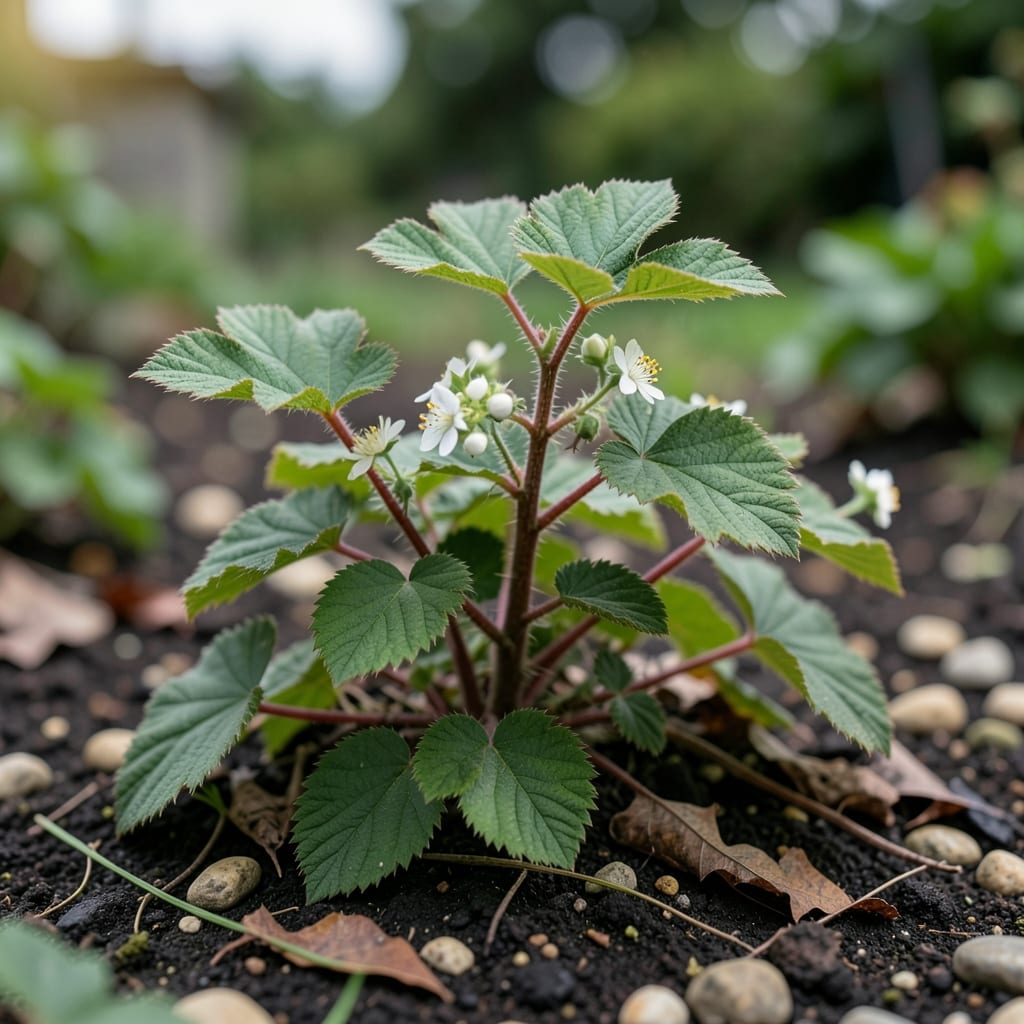
Southern dewberry vines spread fast, but their leaves are the real treasure. I learned to spot them by their three-leaf clusters and slightly serrated edges, different from similar plants.
They thrive in sunny spots with well-draining soil, tolerating drought once established. The leaves make excellent tea, though proper identification is key—some lookalikes aren’t safe.
📚 In This Guide
This approach ensures accurate recognition and healthy growth without the guesswork.
Examine the plant for compound leaves with three to five leaflets arranged palmately. Southern dewberry leaves are serrated along the edges and exhibit a deep green hue with a slightly rough texture. The central leaflet is often larger than the surrounding ones.
Check the underside for fine, white hairs—a distinguishing feature of dewberry foliage. This characteristic helps differentiate it from similar-looking brambles. I always use a hand lens to confirm the presence of these hairs, as they can be subtle to the naked eye.
Observe the canes for their arching, trailing habit, which can extend 3-6 feet in length. Dewberry plants produce biennial canes: first-year canes (primocanes) are vegetative, while second-year canes (floricanes) bear fruit and leaves.
Look for thorny stems with a reddish-brown color, particularly on new growth. The thorns are curved and can be quite sharp, so handle with care. This structural trait is consistent across the species and aids in accurate identification.
In spring, new leaves emerge with a reddish tint before maturing to green. By summer, the foliage should be fully developed, with leaflets measuring 2-4 inches in length. The leaves often have a slightly crinkled appearance due to prominent veins.
In autumn, leaves may turn a bronze or reddish color before dropping. This seasonal change is another reliable indicator. I’ve found that tracking these shifts over time helps eliminate doubt when distinguishing dewberry from other brambles.
Plant or encourage dewberry growth in full sun to partial shade, ensuring the soil is well-draining and slightly acidic (pH 5.5-6.5). These plants thrive in moist but not waterlogged conditions, so avoid heavy clay soils.
Space plants 4-6 feet apart to accommodate their spreading habit. Dewberries are hardy in USDA zones 5-9 and require minimal fertilization. A light application of compost in early spring is usually sufficient to promote healthy leaf and cane production.
Inspect leaves regularly for signs of raspberry cane borer or spotted wing drosophila, which can damage foliage and fruit. Yellowing or wilting leaves may indicate root rot, often caused by overly wet soil.
Prune out any diseased or infested canes immediately to prevent spread. I’ve learned that maintaining good air circulation by thinning dense growth reduces the risk of fungal issues like anthracnose, which can mar the leaves.
These insights will help you confidently identify and cultivate dewberry with precision.
Identification Accuracy: In Step 1, focus on the compound leaves with three to five palmately arranged leaflets. The fine white hairs on the underside are the most reliable indicator—use a hand lens if needed, as they’re often missed with the naked eye. This detail alone separates dewberry from lookalike brambles.
Structural Clues: Step 2 emphasizes the arching, trailing canes that stretch 3-6 feet. Don’t overlook the thorny stems with their reddish-brown hue on new growth. These curved thorns are sharp and consistent, so handle carefully while confirming the plant’s identity.
Seasonal Confirmation: Step 3’s seasonal cues are key. Spring leaves emerge reddish before turning deep green, while summer foliage reaches 2-4 inches with crinkled veins. In autumn, the bronze or reddish shift is unmistakable—tracking these changes over time removes all doubt.
Growth Conditions: For cultivation in Step 4, stick to full sun or partial shade with well-draining, slightly acidic soil (pH 5.5-6.5). Space plants 4-6 feet apart to accommodate their spreading habit, and avoid heavy clay soils to prevent waterlogging.
Yes, southern dewberry leaves are edible and often used in teas. However, ensure proper identification to avoid confusion with toxic look-alikes like wild carrot or water hemlock.
Harvest leaves in spring or early summer when they’re young and tender. Avoid picking after frost or when the plant is flowering, as potency and flavor may decline.
Absolutely! The leaves make a mild, earthy tea. Steep fresh or dried leaves in hot water for 5-10 minutes for a caffeine-free herbal drink.
Yellowing leaves may indicate overwatering, nutrient deficiency, or disease. Check soil moisture, fertilize if needed, and inspect for pests or fungal issues.