
Beautiful Plants For Your Interior
Beautiful Plants For Your Interior
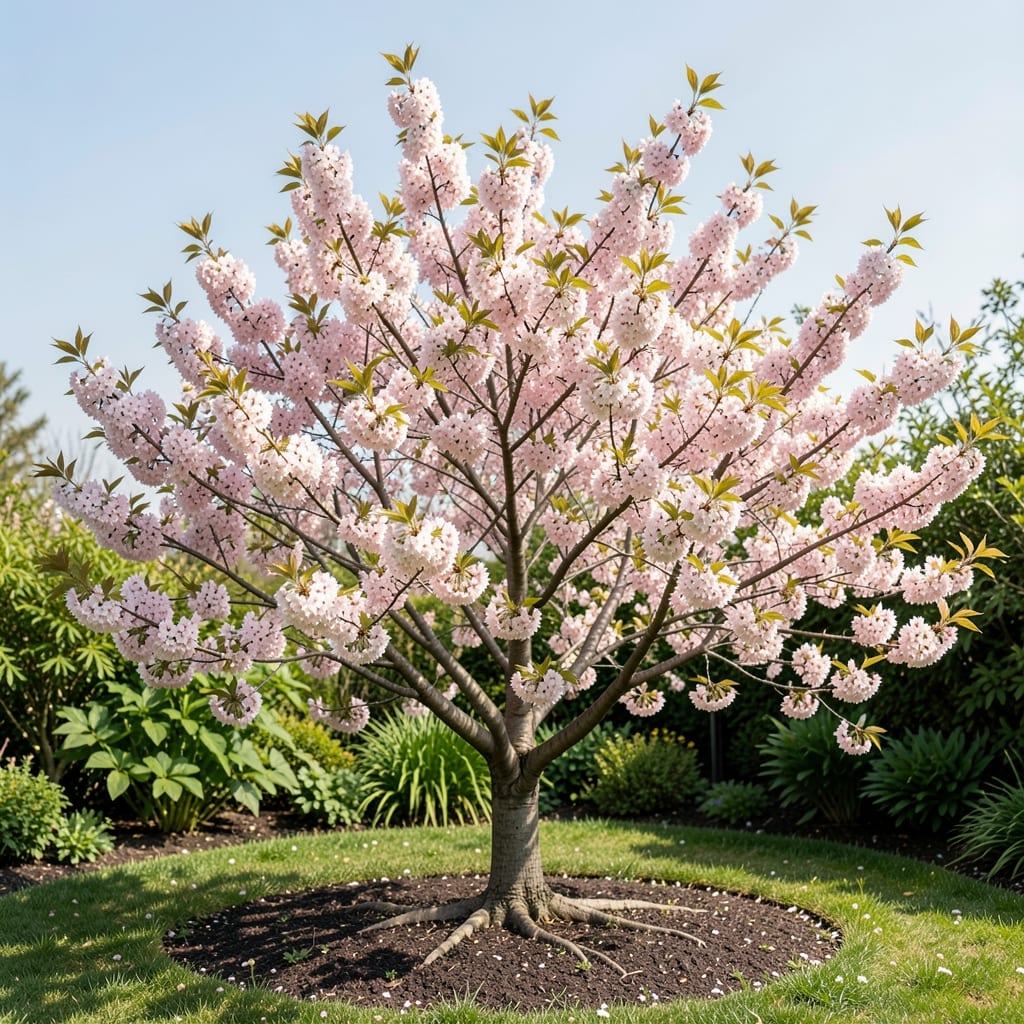
Last spring, my sakura’s leaves turned crispy brown before the blooms even opened. 🌸 Turns out, leaf health dictates those famous pink clouds—get it wrong, and you’ll miss the show entirely.
With the right watering rhythm and well-draining soil, your tree’s leaves stay glossy green through summer. I fixed mine by adjusting sunlight exposure and pruning at the first sign of leaf curl.
📚 In This Guide
Here’s my seasonal approach to keep your cherry blossoms healthy and vibrant year-round.
As soon as the buds swell but before they open, apply a balanced fertilizer with equal parts nitrogen, phosphorus, and potassium. I use a 10-10-10 formula because sakura trees respond well to moderate feeding. Scatter it around the drip line (the circle directly under the outer leaves) where feeder roots are most active.
Water deeply afterward to help nutrients soak in. You’ll see fresh, bright green leaves emerge within 2-3 weeks that look fuller and more vibrant than without feeding. Avoid fertilizing after mid-summer—it encourages late growth that winter can damage.
Sakura trees need consistent moisture during summer heatwaves. I water deeply twice a week when temperatures hit 85°F or above, ensuring the soil stays moist 6 inches down. Use a soaker hose or drip irrigation to keep water off the leaves, which prevents fungal spots.
Check the soil with your finger—if it feels dry at the 2-inch level, it’s time to water again. Yellowing leaves in summer often mean the tree is thirsty. Mulching with 2-3 inches of organic material helps retain moisture and keeps roots cool.
After the leaves turn golden and begin to drop (usually late October), prune dead or crossing branches. I use sharp bypass pruners to make clean cuts just outside the branch collar (the swollen area where the branch meets the trunk). Never remove more than 25% of the canopy in one year.
Thin out crowded areas to improve air circulation, which reduces disease risk. You’ll notice the tree’s structure looks more open and balanced immediately. Remove all pruned material from the area to prevent pests from overwintering in the debris.
Young sakura trees (under 3 years old) benefit from winter wrapping. I use burlap or a frost cloth to shield the trunk from freeze-thaw cycles that can split bark. Secure the wrap loosely to allow for expansion as the tree grows.
For established trees, a 3-4 inch layer of mulch around the base insulates roots. Avoid piling mulch against the trunk—it can trap moisture and cause rot. Evergreen boughs laid over the root zone add extra protection during extreme cold snaps.
Check wraps monthly and remove them at the first sign of spring growth, usually when daytime temperatures consistently stay above 40°F.
Small adjustments in your seasonal care routine make a big difference for healthy blooms.
Feeding Timing: In Step 1, apply that 10-10-10 fertilizer just as buds swell but before they open—this window is critical. I’ve learned the hard way that fertilizing after mid-summer encourages tender new growth that winter can damage. Trust me on this.
Watering Depth: During Step 2’s summer heatwaves, don’t just water the surface. Use your finger to check moisture at that 2-inch depth, and water deeply until the soil is moist 6 inches down. A soaker hose works wonders for even distribution without wetting the leaves.
Pruning Precision: For Step 3’s fall pruning, always cut just outside the branch collar with sharp bypass pruners. Never remove more than 25% of the canopy in a single year—this keeps the tree balanced while preventing stress. I clean up all pruned material immediately to avoid pest issues.
Winter Wrap Check: In Step 4, if you’re protecting young trees under 3 years old, check those burlap wraps monthly. Remove them as soon as daytime temps stay above 40°F to prevent moisture buildup and bark damage. Evergreen boughs over the root zone add great extra insulation during cold snaps.
This often signals stress from overwatering, poor drainage, or nutrient deficiencies. Check soil moisture and adjust watering. Yellowing may also indicate seasonal changes or pests.
Leaves typically drop in late autumn, but some varieties shed earlier. If leaves fall prematurely, inspect for disease, pests, or environmental stress like drought.
Yes! Dried sakura leaves are used in traditional Japanese teas. Ensure they’re pesticide-free and properly dried to avoid bitterness. Steep lightly for a delicate, floral flavor.
Fertilize in early spring before blooming and again in late fall. Use a balanced, slow-release fertilizer to support healthy leaves and vibrant flowers.
Remove infected leaves immediately and apply a fungicide. Improve air circulation around the tree and avoid overhead watering to prevent recurrence.