
Beautiful Plants For Your Interior
Beautiful Plants For Your Interior
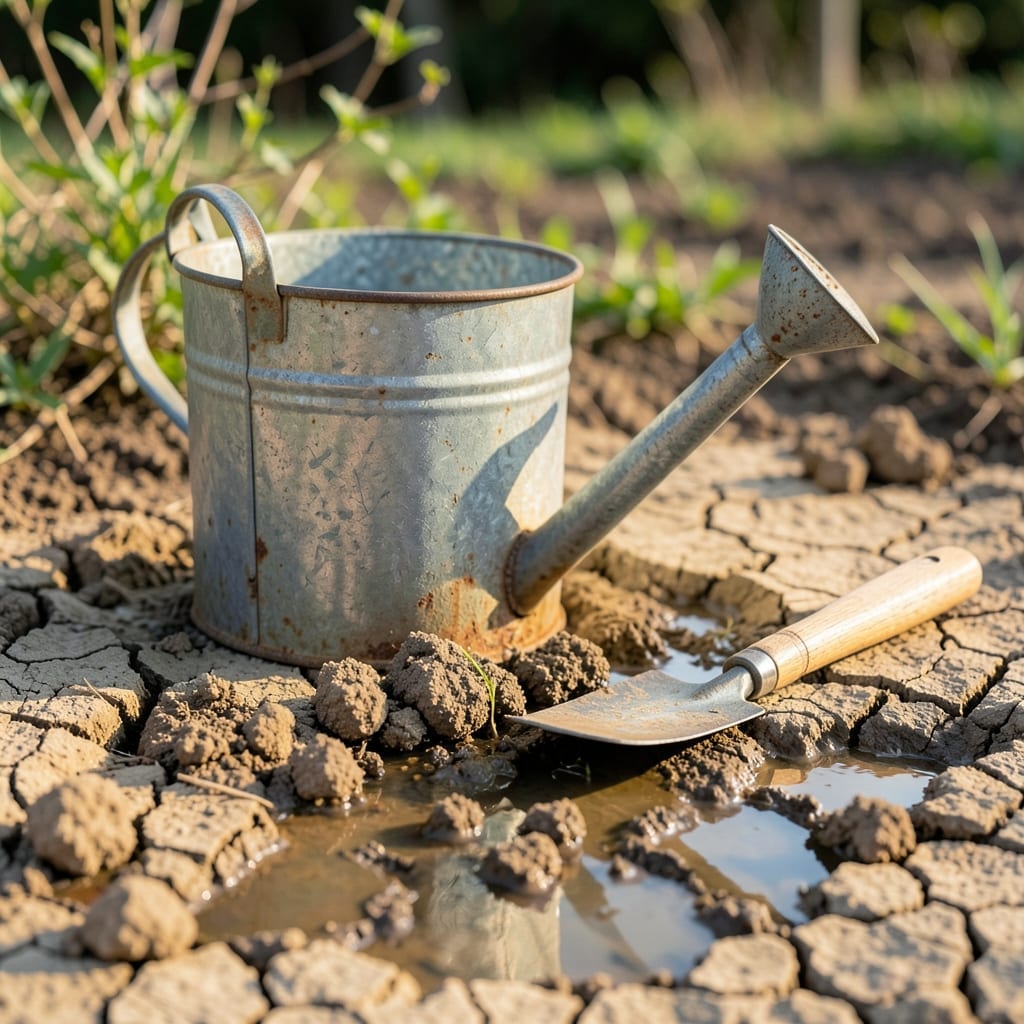
Water pooling on top of soil instead of soaking in is frustrating. I’ve watched rain bounce right off dry garden beds like they were paved. The issue usually starts with organic matter breaking down into waxy compounds that repel moisture.
Hydrophobic soil often develops after long dry spells or heavy organic mulch use. You’ll notice water beads up and runs off rather than penetrating. A simple test: place a drop on the surface—if it sits there, you’ve got a problem.
Fixing it is faster than you think. A wetting agent or a dose of compost tea breaks the surface tension. Within 24 hours, you’ll see water disappearing into the soil instead of pooling on top.
Prevention means keeping soil covered with fresh organic matter. This stops the waxy buildup before it starts. Your plants will thank you with stronger roots and less water waste.
When soil repels water instead of soaking it up, several underlying factors are usually to blame. Understanding these causes helps you target the right solution.
Soil can become hydrophobic—literally water-repellent—when organic compounds from decomposed plant matter, fungi, or certain pesticides coat soil particles. This waxy layer prevents water from penetrating, causing it to bead and run off. Common in dry, sandy, or heavily mulched soils, this issue worsens after wildfires or long droughts.
While organic matter improves soil structure, too much of it (especially fresh, undecomposed material like wood chips or straw) can create a water-resistant barrier. As these materials break down, they release natural oils and tannins that bind to soil particles, reducing absorbency.
Heavily compacted soil—common in high-traffic areas or clay-rich ground—lacks the pore space needed for water infiltration. When soil particles are tightly packed, water can’t seep in, leading to runoff. Similarly, soils with poor aggregation (clumps of soil particles) may have large gaps that water bypasses entirely.
Synthetic fertilizers, herbicides, or even neem oil (if overapplied) can leave behind residues that alter soil chemistry. Some chemicals increase soil hydrophobicity, while others disrupt microbial activity, which plays a key role in maintaining healthy, water-absorbent soil.
When your soil repels water, these targeted fixes can restore its ability to absorb moisture effectively. Address the root cause with these practical solutions:
Use a garden fork or tiller to break up compacted soil, allowing water to penetrate. For small areas, a hand aerator works well. Prevention tip: Avoid heavy foot traffic on garden beds and use raised beds for high-traffic areas. 💡
Mix in 2–3 inches of compost or well-rotted manure to improve soil structure and water retention. Work it into the top 6 inches of soil for best results. Prevention tip: Top-dress with compost annually to maintain soil health. ✨
Apply a soil wetting agent (like liquid soap or commercial products) to break down waxy coatings that repel water. Follow package instructions for dilution and application. Prevention tip: Avoid overusing synthetic fertilizers, which can contribute to hydrophobicity. 🎯
For clay-heavy soils, mix in coarse sand, perlite, or vermiculite to improve drainage and prevent water pooling. Aim for a 50/50 blend with existing soil. Prevention tip: Test soil drainage before planting by digging a small hole and filling it with water. If it drains slowly, amend the soil. 🌡️
Apply a 2–3 inch layer of organic mulch (straw, wood chips) to retain moisture and prevent crusting. Avoid thick, matted layers that can block water. Prevention tip: Replenish mulch as it decomposes, typically every 6–12 months. 💧
Drop a few water droplets on the surface. If they bead up and sit for 10+ seconds instead of soaking in, your soil is hydrophobic. You can also dig a small hole and fill it with water—if it drains in under 1 minute, absorption is poor.
Only if your soil is clay-heavy. Mixing coarse sand or perlite in a 50/50 ratio improves drainage. For sandy soils, add compost instead to increase water retention. Avoid fine sand, which can worsen compaction.
Yes, but sparingly. Mix 1 tablespoon of mild dish soap per gallon of water and apply to dry soil. This temporarily breaks surface tension. For long-term results, use a commercial wetting agent.
Thick, matted mulch layers create a barrier. Use 2-3 inches of loose organic mulch (straw, wood chips) and fluff it occasionally. Avoid fresh, undecomposed materials that release waxy compounds.