
Beautiful Plants For Your Interior
Beautiful Plants For Your Interior
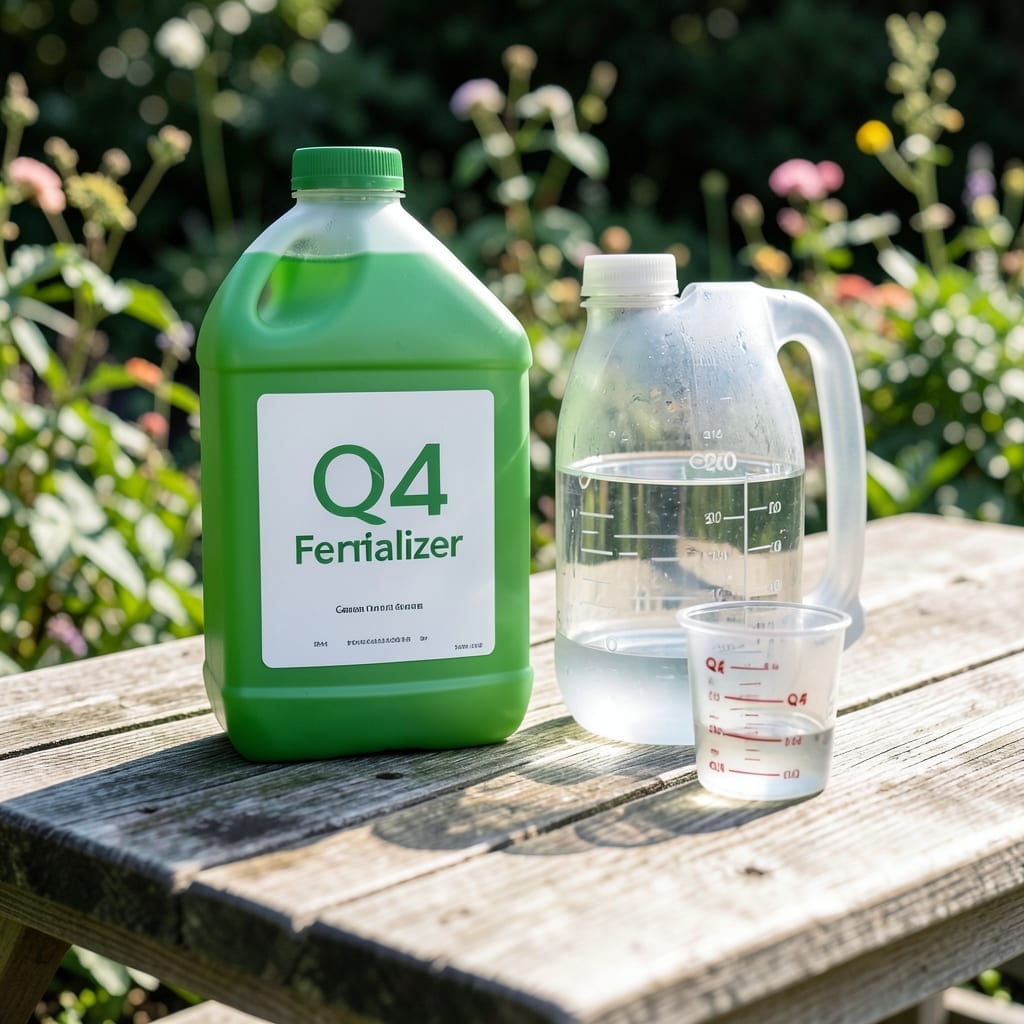
Getting the right Q4 fertilizer ratio per gallon of water is the key to lush, thriving 🌱 General without the risk of over-fertilization or nutrient burn.
Whether you’re a beginner gardener or a seasoned grower, precise mixing ensures optimal plant health. It’s not just about feeding your plants—it’s about feeding them correctly.
I’ve seen too many gardeners struggle with wilting leaves or stunted growth simply because they guessed the measurements. The solution is simpler than you think.
Discover the exact ratios that will transform your gardening game and help your General plants flourish like never before.


When using Q4 fertilizer, the right ratio per gallon varies by plant type and growth stage. I always recommend starting with a weaker solution for seedlings and delicate plants to prevent shock.
For vegetables like tomatoes and peppers, I use 1 teaspoon of Q4 per gallon of water weekly during the growing season. This promotes strong root development without overwhelming the plants.
| Plant Type | Q4 per Gallon | Frequency |
|---|---|---|
| Vegetables | 1 tsp | Weekly |
| Flowers | ½ tsp | Every 10 days |
| Herbs | ¼ tsp | Bi-weekly |
| Houseplants | ½ tsp | Monthly |
| Seedlings | ¼ tsp | Every 2 weeks |
For flowering plants like roses or marigolds, I reduce the dose to ½ teaspoon per gallon every 10 days. This encourages vibrant blooms without risking petal burn.
Herbs such as basil and cilantro thrive with just ¼ teaspoon per gallon every two weeks. Over-fertilizing can make them less flavorful, so I keep it light.
For houseplants, I use ½ teaspoon per gallon monthly. Since they’re in containers, nutrients can build up, so I flush the soil with plain water between feedings.
Seedlings are the most sensitive. I use ¼ teaspoon per gallon every two weeks to avoid nutrient burn. As they mature, I gradually increase the strength.
Always test your mix on a small area first. If leaves turn yellow or brown at the edges, you may be overdoing it. I dilute further and monitor for a week.
Remember, water quality matters too. If your tap water is hard, consider using filtered or distilled water to prevent mineral buildup in the soil. 🌱
Finally, I adjust ratios based on the season. In winter, most plants need less fertilizer, while spring and summer growth may require more frequent feeding.
Mixing Q4 fertilizer properly is key to avoiding nutrient burn while giving your plants the boost they need. I always start with clean water at room temperature to ensure even distribution of nutrients.
For most garden plants, the standard ratio is 1 tablespoon of Q4 per gallon of water. However, seedlings and sensitive plants may need a weaker solution, like ½ tablespoon per gallon.
I’ve found that using a measuring spoon ensures I never over-fertilize. A half tablespoon works well for herbs and young seedlings, while mature vegetables thrive with the full dose.
Always test on a few leaves first if you’re unsure about sensitivity. If you see yellowing or browning, it’s a sign to dilute further or reduce frequency.
For houseplants, I recommend ¼ tablespoon per gallon, as they’re often more sensitive to fertilizer strength. Consistency is key—stick to a regular schedule and observe your plants’ response.
Remember, Q4 fertilizer is potent, so less is often more. A little care in mixing goes a long way toward healthy, vibrant plants 🌱