
Beautiful Plants For Your Interior
Beautiful Plants For Your Interior
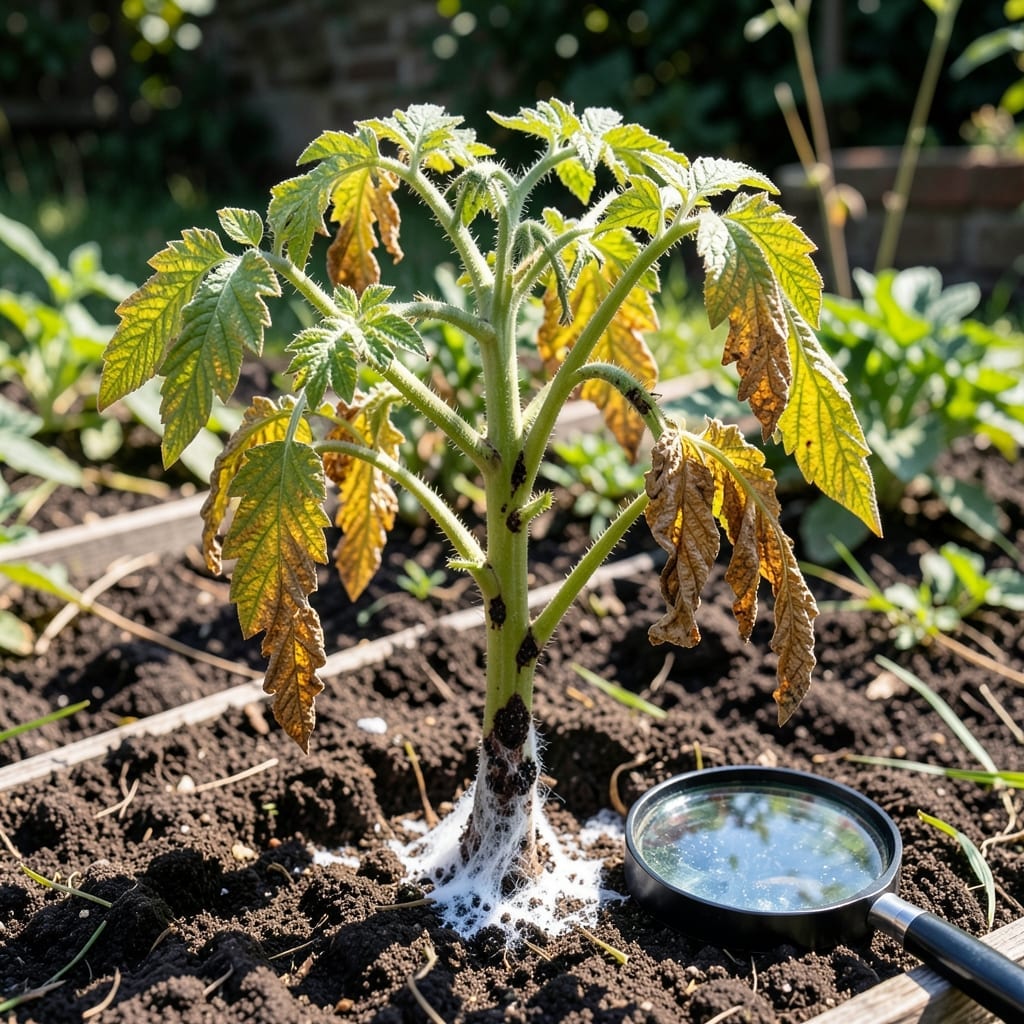
Healthy crops start with healthy soil. 🌱 I learned this the hard way after losing an entire tomato bed to wilt last season.
The problem isn’t visible until it’s too late. Plants yellow, wilt, or die suddenly—often when they’re most vulnerable. Prevention is simpler than you think: rotation, resistant varieties, and clean tools make all the difference.
You’ll spot the early signs before they spread: stunted growth, unusual spotting, or roots that look off. Catching it early means saving most of your crop.
Works for vegetables, flowers, and herbs. Here’s how to keep your soil—and your plants—thriving.
Soil-borne diseases often emerge due to a combination of biological, environmental, and human factors. Understanding these causes helps farmers take targeted action.
Many soil-borne diseases are caused by fungi, bacteria, nematodes, and viruses that thrive in the soil. Common pathogens include Fusarium, Phytophthora, and Verticillium. These microorganisms can survive for years in soil, waiting for the right conditions to infect plants.
Soils lacking organic matter, beneficial microbes, and proper drainage create an ideal environment for pathogens. Overuse of chemical fertilizers and pesticides can disrupt soil balance, reducing its natural ability to suppress diseases.
Excessive moisture, poor drainage, and warm temperatures can accelerate pathogen growth. Overwatering or heavy rainfall can spread soil-borne diseases, while compacted soil limits root health, making plants more vulnerable.
Improper crop rotation, contaminated tools, and infected planting materials can introduce or spread pathogens. Monoculture farming (growing the same crop repeatedly) depletes soil diversity, increasing disease risk.
Combating soil-borne diseases starts with understanding their causes and applying targeted fixes. Here’s a practical guide to treating and preventing common issues:
Waterlogged soil fosters fungal and bacterial growth. Fix this by amending heavy clay soils with organic matter like compost or well-rotted manure. Raise beds or add sand to boost drainage. Prevention tip: 💡 Avoid overwatering and ensure planting areas have proper slope or drainage systems.
Pathogens linger in the soil after harvest. Break the cycle by rotating crops with non-host plants (e.g., follow tomatoes with corn or beans). For severe cases, solarize soil by covering it with clear plastic for 4–6 weeks in hot sun to kill pathogens. Prevention tip: ✨ Use disease-resistant varieties and avoid planting the same crop family in the same spot yearly.
Weakened plants attract pests that spread disease. Strengthen soil health by adding mycorrhizal fungi or compost tea to promote beneficial microbes. Prevention tip: 🎯 Practice companion planting (e.g., marigolds with vegetables) to deter pests naturally.
Dense plantings limit airflow, creating humid conditions for disease. Thin seedlings and space plants according to recommendations. Prevention tip: 🌬️ Prune lower leaves to improve circulation and reduce moisture buildup.
Small, consistent actions like these can drastically reduce soil-borne diseases and keep your crops thriving!
Look for wilting, yellowing leaves, or stunted growth despite proper care. Roots may appear dark, mushy, or rotten. These signs often appear during warm, wet conditions.
Yes! Rotating crops breaks pathogen life cycles. Avoid planting the same family (like tomatoes and peppers) in the same spot for 3-4 years. This starves disease organisms of their preferred hosts.
For immediate action, remove infected plants and solarize soil with clear plastic for 4-6 weeks in summer. This heats soil to temperatures that kill many pathogens.
Only after treatment. Mix infected soil with 50% fresh compost and let it sit fallow for a season. Never reuse untreated soil for vulnerable plants.