
Beautiful Plants For Your Interior
Beautiful Plants For Your Interior
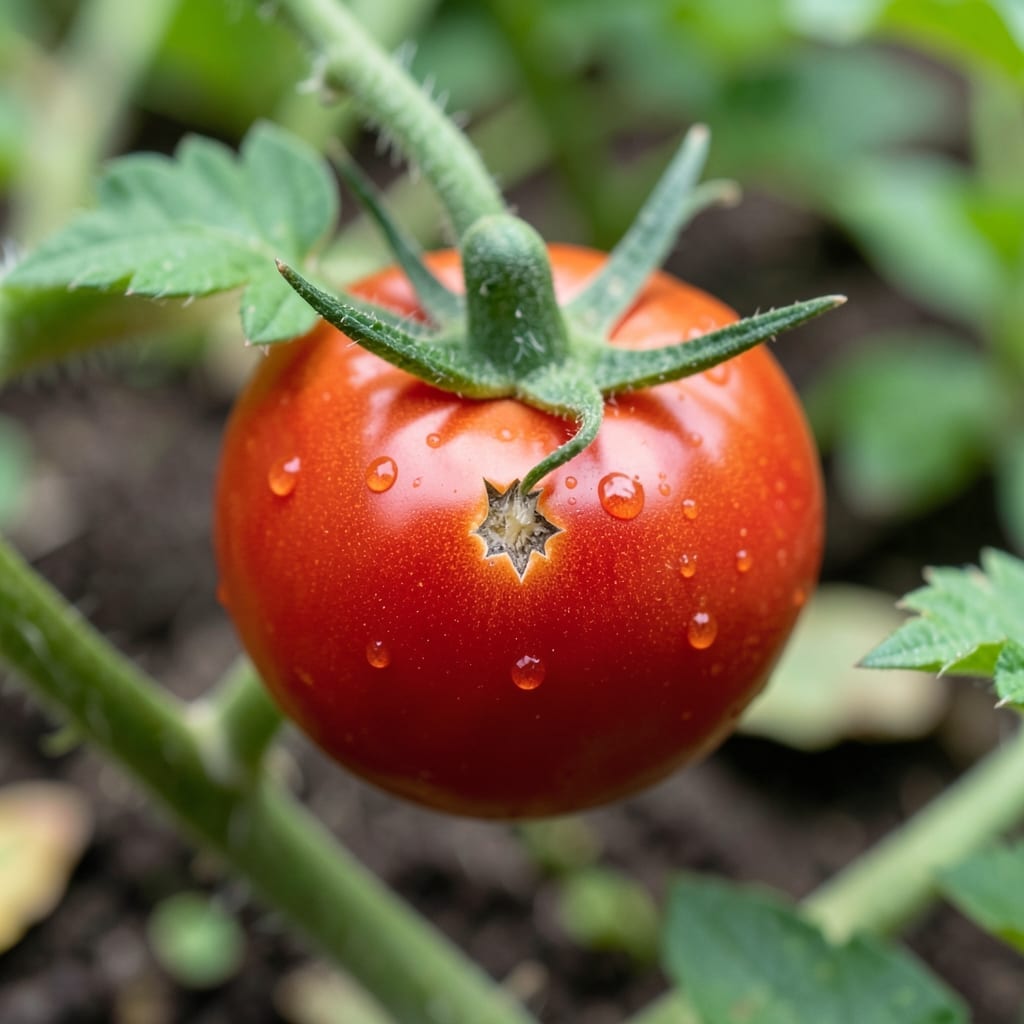
That jagged hole in your tomato leaf isn’t a snake bite—it’s a pest’s dinner invitation. I’ve seen this damage before, and it’s usually slugs, caterpillars, or beetles munching their way through your plants.
The good news? This is fixable. A little detective work to spot the culprit, then targeted action to evict them. Most solutions use stuff you already have in your shed or kitchen.
Your tomatoes will bounce back fast with the right treatment. Within a week, you’ll see fresh growth replacing the chewed leaves, and your plants will get back to producing fruit instead of feeding pests.
Works for garden beds, containers, or raised planters. Here’s how to stop the damage and keep it from coming back.
Snake-like marks on tomatoes often stem from environmental stress or pest activity, not actual snake bites. Here’s why it happens:
Rapid shifts between hot days and cool nights can cause uneven expansion in the fruit’s skin, leading to cracked or scarred patterns resembling bite marks. Tomatoes are sensitive to temperatures below 50°F (10°C) or above 85°F (29°C). Consistent mulching and row covers can stabilize soil temperature.
Irregular irrigation—drought followed by heavy watering—causes fruit splitting or pitting. The sudden influx of water makes the tomato swell too quickly, stressing the skin. Use drip irrigation on a timer to maintain even moisture levels.
Insects like stink bugs or leaf-footed bugs pierce tomato skins to feed, leaving small, sunken spots that may resemble snake bites. Check for yellowing around wounds or sticky residue (a sign of sap-sucking pests). Introduce beneficial insects like ladybugs or apply neem oil as a deterrent.
A lack of calcium or boron can cause corky scars or irregular growth patterns. Test soil pH (aim for 6.0–6.8) and amend with gypsum (for calcium) or borax (sparingly) to correct imbalances.
Pro tip: 💡 Inspect tomatoes early in the morning when pests are most active to catch culprits red-handed!
If you spot snake-like bite marks on your tomato plants, act fast to save your crop. Here’s how to diagnose and fix the issue for each likely culprit:
Check leaves and stems for large green caterpillars. Remove them by hand (wear gloves!) and drop them into soapy water or relocate them far from your garden. Prevention tip: 💡 Attract natural predators like birds or parasitic wasps by planting dill or marigolds nearby.
These tiny pests leave stippled, yellowed leaves. Blast them off with a strong stream of water, or apply neem oil (mix 1 tbsp oil + 1 tsp dish soap per gallon of water). Spray in the early morning or late evening. Prevention tip: 🌡️ Keep plants well-watered—mites thrive in dry conditions.
Look for irregular, jagged holes and slime trails. Create a copper tape barrier around plant beds or set out beer traps (bury a shallow dish filled with beer—they’ll drown in it). Prevention tip: ✨ Remove hiding spots like boards or dense mulch where they lurk during the day.
If the “bites” are actually dark, sunken spots on fruit bottoms, it’s likely calcium deficiency. Fix it by adding crushed eggshells to soil or using a calcium-rich fertilizer. Prevention tip: 🎯 Water consistently—fluctuations in moisture disrupt calcium uptake.
For all pests, inspect plants daily and act at the first sign of trouble. Healthy, stress-free tomatoes are less vulnerable to attacks!
Yes! Slugs leave irregular, ragged holes and slime trails. They’re most active at night and love damp conditions.
Inspect daily, especially in the morning when pests are most active. Early detection means easier control.
Blast them off with water or apply neem oil (mix 1 tbsp oil + 1 tsp soap per gallon). Repeat every 3-5 days as needed.
Beer traps work for slugs, and copper tape barriers can keep them away. Even crushed eggshells help with calcium.