
Beautiful Plants For Your Interior
Beautiful Plants For Your Interior
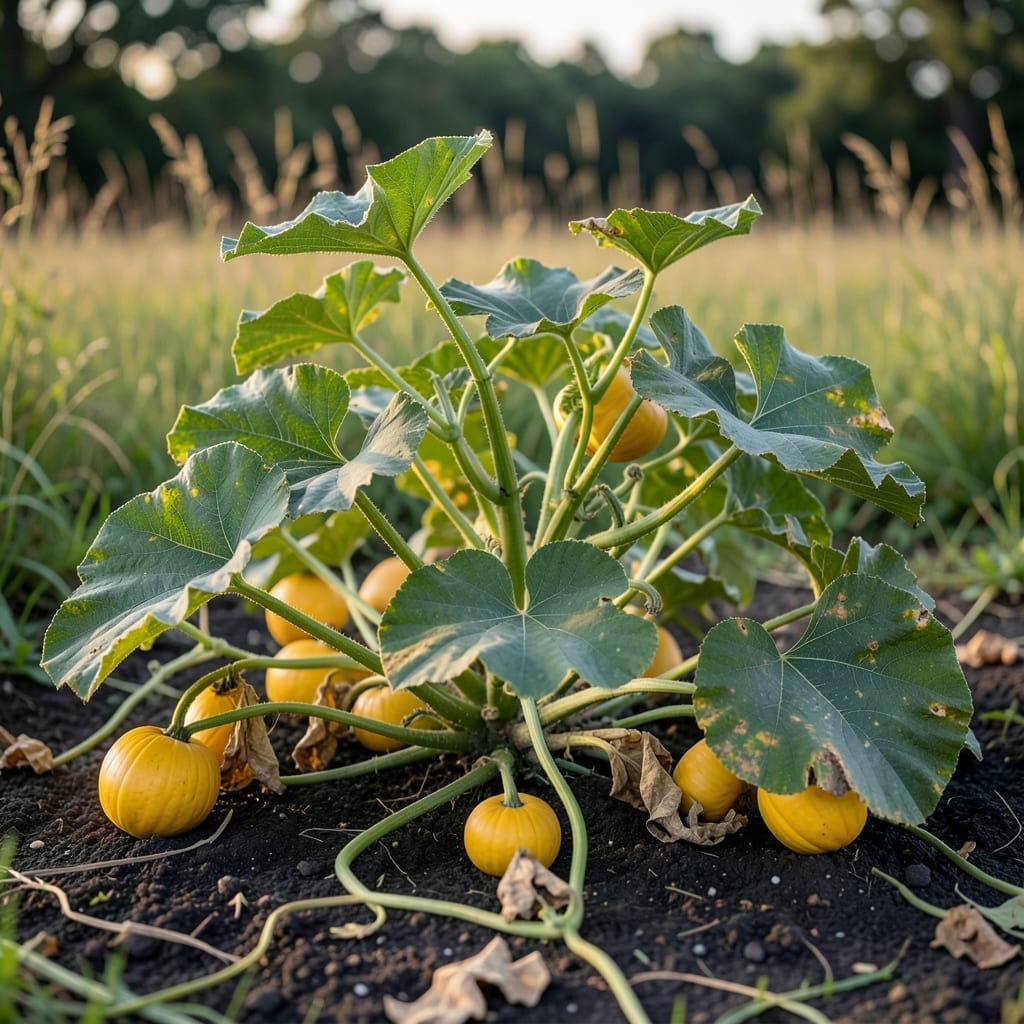
These bright little gems light up my fall garden every year. Small yellow pumpkins grow fast, stay manageable, and add a pop of color that stands out against green vines.
You’ll get 2-3 pound fruits perfect for decorating or cooking, with vines that don’t take over like their giant cousins. They thrive in full sun with basic care and reward you with a bountiful harvest.
📚 In This Guide
This proven method delivers vibrant, compact fruits with minimal space and maximum flavor.
Choose a location with full sun exposure (at least 6-8 hours daily) and well-draining soil. Small yellow pumpkins thrive in loose, fertile ground, so I always amend the planting area with 2-3 inches of compost worked into the top 8-12 inches of soil.
Test drainage by digging a 1-foot hole and filling it with water. If it drains within 1 hour, the site is suitable. Remove any rocks or debris that could obstruct root growth. A slightly raised mound (6-8 inches high) improves drainage and warms the soil faster in spring.
Sow seeds directly after the last frost when soil temperatures reach 60-65°F. Plant 3-4 seeds per hill, spacing hills 4-5 feet apart. Cover seeds with 1 inch of soil and water gently but thoroughly. Thin to the strongest 1-2 plants per hill once seedlings develop 2-3 true leaves.
For transplants, dig holes slightly larger than the root ball and plant at the same depth as the original container. Space transplants 3-4 feet apart. I always water the hole before planting to prevent air pockets around the roots, which can stress the plant during its critical first week.
Water deeply 1-2 times per week, ensuring the soil stays evenly moist but never waterlogged. The goal is 1-1.5 inches of water weekly, including rainfall. Use a soaker hose or drip irrigation to keep foliage dry and prevent disease.
Apply a balanced fertilizer (10-10-10) when vines begin to run, then switch to a low-nitrogen formula (5-10-10) once fruits set. I side-dress with compost tea every 2-3 weeks for a nutrient boost. Yellowing leaves often signal nitrogen deficiency, while poor fruit set usually indicates insufficient phosphorus.
Small yellow pumpkins produce compact vines, but I still guide them gently to prevent tangling. Use a trellis for vertical growth if space is limited, though fruits may need sling support as they mature. Prune excess runners to direct energy toward fruit production, but avoid over-pruning, which can reduce yield.
Check daily for squash bugs and cucumber beetles, which target young plants. Handpick pests when spotted, or use row covers early in the season. Powdery mildew appears as white spots on leaves—treat immediately with neem oil and improve air circulation to prevent spread.
Small yellow pumpkins typically mature in 85-100 days. Harvest when the rind hardens and resists puncture when pressed with a fingernail. The stem should be dry and woody. I use a sharp knife to cut the stem, leaving 2-3 inches attached to the fruit to prevent rot.
Store in a cool, dry place (50-55°F) with good ventilation. Properly cured pumpkins can last 2-3 months. Avoid stacking fruits, as this can cause pressure damage. If the skin feels soft or develops dark spots, use immediately—it won’t keep.
Here are the key insights I’ve gathered from seasons of growing these vibrant gourds.
Sunlight Essentials: In Step 1, the requirement for 6-8 hours of direct sunlight isn’t just a suggestion—it’s critical. These vines are solar-powered growth machines. If your garden gets less, consider containers you can move to follow the sun or choose a sunnier spot entirely.
Soil Temperature Secret: The 70°F soil temperature mentioned in Step 2 is non-negotiable for germination. I’ve learned this the hard way by planting too early. Use a soil thermometer—when it consistently reads 70°F at planting depth, you’re good to go.
Watering Wisdom: For Step 3, that 1-1.5 inches per week should be deep watering at the base, not frequent shallow sprinkles. I water in the early morning to give plants time to absorb moisture before the heat of the day and to prevent fungal issues.
Pollination Pro Tip: Step 4 mentions female flowers with tiny fruits at their base. These only have a 24-hour window for pollination once they open. If you’re hand-pollinating, do it first thing in the morning when the flowers are most receptive and the pollen is sticky.
Look for a deep, uniform yellow color and a hard rind that resists puncturing with a fingernail. The stem should also be dry and woody. Harvest before the first frost for best flavor.
Powdery mildew, downy mildew, and cucumber beetles are frequent issues. Prevent with proper spacing, crop rotation, and neem oil sprays. Remove infected leaves promptly to stop spread.
Yes! Choose a container at least 10-15 gallons with drainage. Use a trellis for vertical growth to save space. Ensure full sun and consistent watering for healthy vines.
This often happens due to overripeness or stress from heat or drought. Harvest earlier next time, and maintain consistent watering to preserve the vibrant yellow hue.