
Beautiful Plants For Your Interior
Beautiful Plants For Your Interior
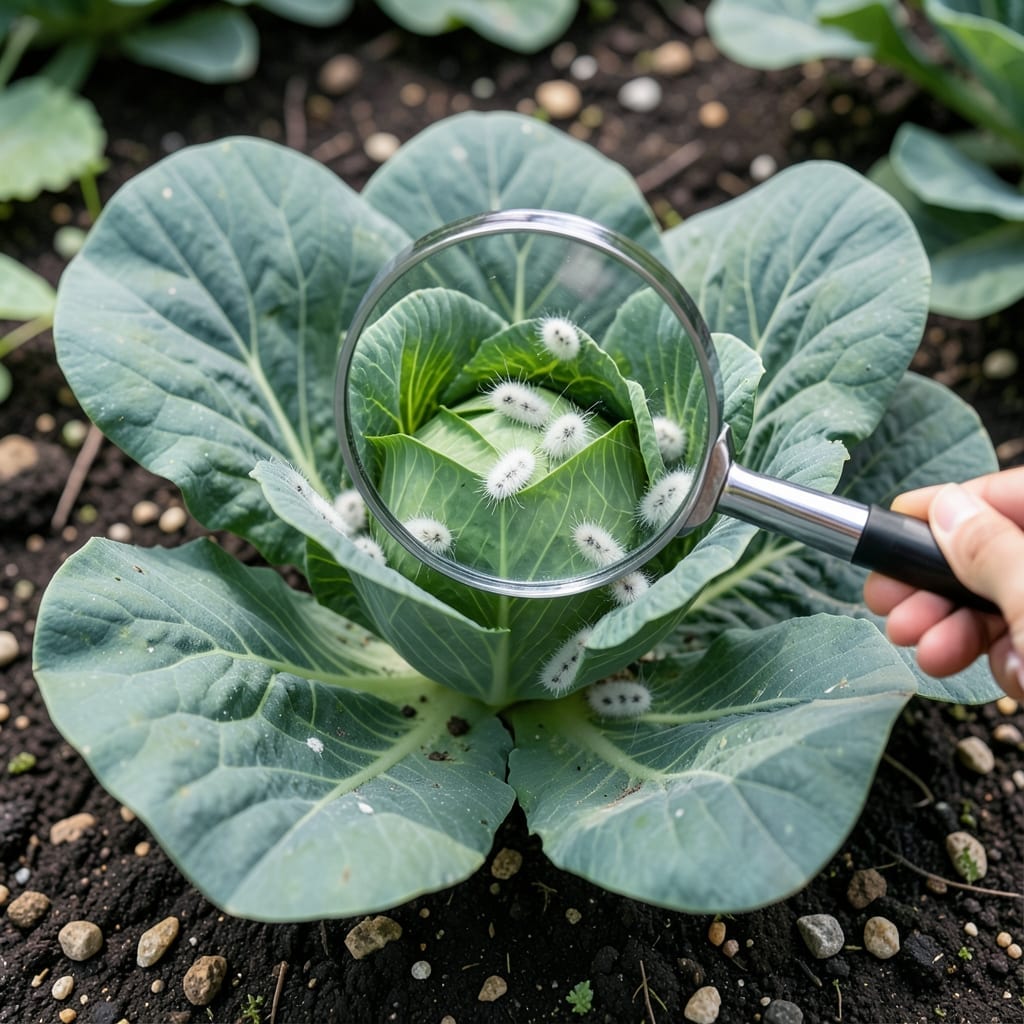
Those tiny white cocoons on your plants aren’t just unsightly—they’re future garden invaders. 🌱 I’ve lost entire rose bushes to pests that started as these harmless-looking clusters.
Mealybugs, scale insects, and even some spider mites use them to protect their next generation. Left unchecked, they’ll multiply fast, sucking sap and spreading disease across your garden.
Here’s the thing—you can stop them before they hatch. A little vigilance and the right approach means your plants stay healthy and pest-free.
Works for houseplants, vegetables, and ornamentals alike. Let’s tackle this now before it gets worse.
The appearance of small white cocoons in your garden is often a sign of pest activity, particularly from insects like mealybugs, whiteflies, or certain moth species. These cocoons serve as protective cases for developing larvae or pupae. Understanding the underlying causes can help you address the issue effectively.
Dense plantings create ideal conditions for pests to thrive. Limited airflow and increased humidity provide a perfect breeding ground for insects that produce white cocoons. Thin out overcrowded areas to improve ventilation and reduce pest harboring spots.
Overwatering or poor drainage can lead to damp soil and foliage, attracting pests like whiteflies and mealybugs. These insects lay eggs that develop into cocoons in moist environments. Ensure proper drainage and avoid waterlogging to discourage infestations.
Many pests that create white cocoons, such as the cabbage looper or diamondback moth, thrive in warm weather. Higher temperatures accelerate their life cycles, leading to rapid cocoon formation. Monitor your garden during warmer months and take preventive measures like row covers or natural predators.
A garden lacking beneficial insects (e.g., ladybugs, lacewings) allows pest populations to grow unchecked. Introduce or attract natural predators to disrupt the life cycle of cocoon-producing pests. Planting companion flowers like marigolds or alyssum can help.
If you’ve spotted small white cocoons in your garden, it’s time to take action. These are often the pupae of pests like cabbage worms or tent caterpillars, and early intervention can save your plants. Below are practical solutions for common causes, along with prevention tips to keep your garden thriving.
Cause: Visible cocoons on leaves or stems.
Fix: Inspect plants regularly, especially the undersides of leaves. Remove cocoons by hand and drop them into soapy water to ensure they don’t hatch. Wear gloves to avoid skin irritation.
Prevention: Check plants weekly during growing season. Encourage natural predators like birds or parasitic wasps by planting native flowers nearby.
Cause: Widespread infestation with cocoons.
Fix: Apply neem oil or insecticidal soap to affected areas. These disrupt the pest life cycle without harming beneficial insects. Spray in the early morning or late evening for best results.
Prevention: Rotate crops annually to break pest cycles. Use companion planting (e.g., marigolds with tomatoes) to deter pests naturally.
Cause: Recurring cocoon appearances despite other efforts.
Fix: Introduce predatory insects like ladybugs, lacewings, or trichogramma wasps. These target pest eggs and cocoons before they mature.
Prevention: Avoid broad-spectrum pesticides, which kill helpful insects too. Maintain a diverse garden ecosystem to support these natural allies.
Cause: Cocoons in garden debris or soil.
Fix: Clear fallen leaves, mulch, and plant residues where pests might overwinter. Till the soil in late fall to expose and destroy buried cocoons.
Prevention: Keep your garden clean year-round. Remove spent plants promptly after harvest.
💡 Pro Tip: Yellow sticky traps can help monitor and reduce adult pest populations before they lay eggs!
Mealybugs, whiteflies, and some moth species often leave these protective cases. They’re usually found on the undersides of leaves or along stems.
Wear gloves and pick them off by hand, dropping them into soapy water. For larger infestations, use neem oil or insecticidal soap.
Yes—if left unchecked, the pests inside will hatch and feed on your plants, weakening them. Early removal prevents damage and stops the cycle.
Encourage natural predators like ladybugs and maintain garden hygiene. Remove plant debris and avoid overwatering to discourage pests.