
Beautiful Plants For Your Interior
Beautiful Plants For Your Interior
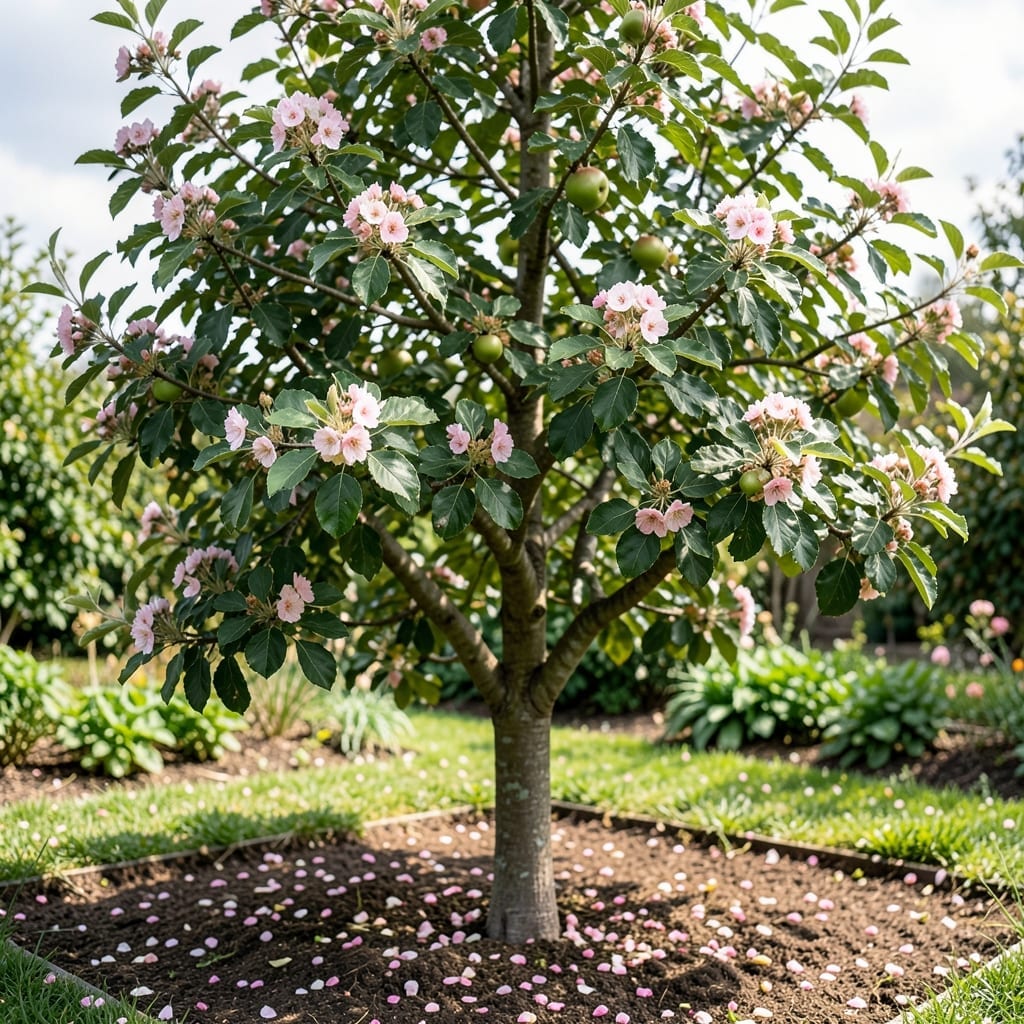
Spotted tiny green fruits on your tree and wondering what they are? I’ve seen my share of mystery orbs—some turn into crabapples, others stay stubbornly small and sour. Identification is the first step to knowing if you’ve got a future harvest or a problem.
These little green guests often appear on young apple trees or wild varieties. They might be immature fruit, a different species entirely, or a sign of poor pollination. Each clue—shape, leaf pattern, tree size—helps narrow it down.
Once you know what you’re dealing with, solutions become clear. Some need patience, others a pruning saw. The right approach turns confusion into healthy growth and maybe even a tasty surprise down the road.
No guesswork needed. A few observations and you’ll solve the mystery faster than you think.
The presence of small green apple-like fruit on a tree can stem from several natural and environmental factors. Below are the most common causes, explained with actionable insights.
Many fruit trees, including apples, crabapples, or ornamental varieties, produce small green fruits in their early growth stages. These are simply unripe or underdeveloped specimens. If the tree is young or the season is early, the fruit may not yet have reached its full size or color. Action: Monitor the fruit over time—if it grows larger and changes color, it’s likely just immature.
Some trees, like crabapple (Malus spp.), naturally bear small, green, apple-like fruits as part of their genetics. These are not diseased but a normal trait of the species. Action: Identify the tree species—if it’s a crabapple or ornamental, no treatment is needed unless the fruit becomes a nuisance.
A lack of essential nutrients (e.g., nitrogen, phosphorus, or potassium) can stunt fruit growth, leaving it small and green. Poor soil quality or improper fertilization often triggers this. Action: Test soil pH and nutrient levels, then amend with balanced fertilizers or organic compost.
Insects like apple maggots or diseases such as powdery mildew can disrupt fruit development, causing it to remain small and discolored. Action: Inspect leaves and fruit for damage, then apply targeted organic or chemical treatments as needed.
If you’ve spotted a small green apple-like fruit on your tree that’s causing issues, here’s how to tackle the most common problems with practical, step-by-step fixes.
If the fruit isn’t behaving like a typical apple, it might be a crabapple, loquat, or even an unripe persimmon. Fix: Use a plant identification app or consult a local nursery to confirm the species. Once identified, research its specific care needs.
Prevention tip: 💡 Label your trees when planting to avoid confusion later.
Common pests like aphids, codling moths, or apple maggots can damage fruit. Fix: For organic control, spray neem oil or introduce beneficial insects like ladybugs. For severe infestations, use a targeted pesticide (follow label instructions carefully).
Prevention tip: 🌡️ Prune trees annually to improve airflow and reduce pest hiding spots.
Yellowing leaves or stunted fruit often signal a lack of nitrogen, potassium, or phosphorus. Fix: Test your soil with a home kit or send a sample to a lab. Amend with compost or a balanced fertilizer (e.g., 10-10-10) based on results.
Prevention tip: ✨ Apply mulch around the base to retain moisture and gradually enrich the soil.
Too much water can cause root rot, while too little leads to fruit drop. Fix: Water deeply 1–2 times per week (more in extreme heat) and ensure proper drainage. Use a moisture meter to check soil levels at 2–3 inches deep.
Prevention tip: 🎯 Install a drip irrigation system for consistent, targeted watering.
Late frosts can harm blossoms or young fruit. Fix: Cover trees with frost cloth or use sprinklers to create a protective ice layer (works for temps just below freezing). Prune damaged branches to encourage new growth.
Prevention tip: 🔥 Plant frost-tolerant varieties if you live in a colder climate.
Yes, if they’re on an apple tree and appear in early summer. They typically grow larger and change color as they mature. If they stay small, they might be crabapples instead.
Look for small fruits (1-2 inches), often red or yellow when ripe, and a tree height under 15 feet. Crabapple trees also have beautiful spring blossoms.
Watch for apple maggots, codling moths, and aphids. Regular inspection of leaves and fruit helps catch infestations early before they spread.
If they’re crabapples, they’re often too tart for fresh eating but make excellent jellies. For immature apples, wait until they reach full size and color.