
Beautiful Plants For Your Interior
Beautiful Plants For Your Interior
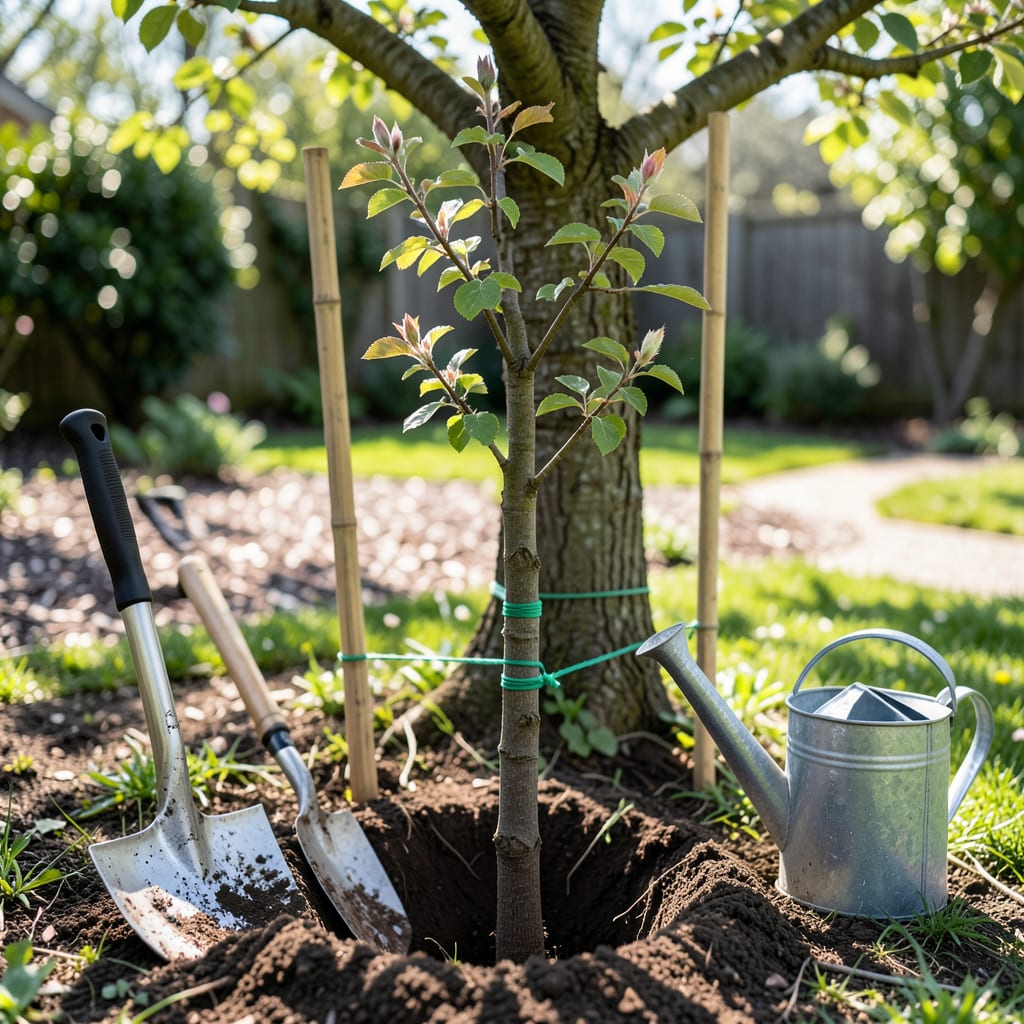
Timing is everything when it comes to planting Apple Trees in Zone 5—get it wrong, and you could be setting your orchard up for years of struggle. The difference between a tree that thrives and one that barely survives often comes down to just a few weeks in spring or fall.
I’ve seen too many gardeners plant too late in spring or too early in fall, only to watch their trees fight frost damage or weak root growth. Let’s cut through the guesswork and pinpoint the exact windows for planting in Zone 5—so your trees establish strong roots and reward you with bountiful harvests for decades.
If you’re dreaming of crisp, homegrown apples, timing your planting in Zone 5 is everything. I’ve found that early spring—just as the ground thaws—gives your trees the best head start. The key is getting those roots established before summer heat or winter cold sets in. 🌱
But here’s the catch: soil temperature must be above 40°F for roots to grow. In Zone 5, that typically means March through April, right after your last frost date (around April 15). Fall planting works too, but I’ll explain why spring often wins. ☀️
| Season | Best Months | Soil Temp | Pros |
|---|---|---|---|
| Early Spring | March–April | 40°F+ | Maximizes root growth before summer |
| Fall | September–November | 50°F+ | Cooler temps reduce transplant shock |
Note: Avoid planting during frost warnings or when soil is waterlogged.
For bare-root trees, early spring is non-negotiable—they need to be planted while dormant. I always aim for late March in my Zone 5 garden. Container-grown trees are more flexible, but I still prefer spring to avoid winter stress on young roots. 💧
Watch your local frost dates like a hawk. In Zone 5, the last frost is typically around April 15, but microclimates vary. Use a soil thermometer to confirm temps—roots won’t grow in cold soil, and delayed planting can stunt your tree for years.
If you miss spring, fall planting (September–October) is your backup. The goal is to give roots 6 weeks to establish before the ground freezes. I’ve had success with fall-planted trees, but they require extra mulch to protect against heaving (when freeze-thaw cycles push roots upward).
Here’s a pro tip: Dwarf varieties like Honeycrisp or Liberty handle spring planting best in Zone 5. Their smaller root systems establish faster, reducing winterkill risk. For standard trees, I’d lean toward fall planting to avoid summer drought stress. 🪴
Don’t forget soil prep! Amend heavy clay (common in Zone 5) with compost before planting. I test my soil pH—apple trees thrive in 6.0–7.0. If your soil is acidic, add lime in fall before spring planting.
Watering is critical post-planting. I give new trees 1–2 inches of water weekly (deep soaks, not sprinkles). Mulch with 3–4 inches of wood chips to retain moisture and regulate soil temp—just keep mulch 6 inches away from the trunk to prevent rot. ✂️
Finally, mark your calendar: Year 1 is all about root growth, not fruit. I remove any blossoms that form the first season to redirect energy downward. Patience pays off—by Year 3, you’ll see your first real harvest if you nailed the timing! 🌿
Planting an apple tree in Zone 5 isn’t just about digging a hole—it’s about setting up your tree for decades of success. I’ve learned the hard way that site selection and soil prep make or break those first critical months. Start by choosing a spot with full sun (6+ hours daily) and well-draining soil. 🌱
Before you plant, test your soil’s pH level. Apple trees thrive in 6.0–7.0. If your Zone 5 soil is too acidic (common with heavy rainfall), work in garden lime a few months before planting. For clay-heavy soil, mix in compost or aged manure to improve drainage. ☀️
Never plant too deep! The graft union (that knobby bump near the base) must stay 2–3 inches above soil. Burying it suffocates the tree and invites disease. I mark the correct depth with a stick before backfilling to double-check.
Pro tip: If planting bare-root trees, soak roots in water for 1–2 hours before planting to rehydrate them.
For bare-root trees, plant as soon as the ground is workable in early spring. Dig a hole twice as wide as the root ball but no deeper. Spread the roots outward and backfill with native soil—no fertilizer yet! For container-grown trees, gently loosen roots if they’re circling, then plant at the same depth as the pot. 💧
After planting, create a watering basin by mounding soil in a 3-foot diameter ring around the tree. This helps direct water to the roots. Water deeply—5 gallons immediately after planting—then maintain 1–2 inches weekly (including rainfall). Mulch with 3–4 inches of wood chips, keeping it 6 inches away from the trunk. ✂️
Stake your tree only if it’s in a windy area or the root ball is unstable. Use two stakes with soft ties to avoid girdling the trunk. Remove stakes after one year to encourage strong trunk development. I’ve seen too many trees become dependent on stakes, leading to weak growth.
Finally, resist the urge to fertilize at planting. Wait until early summer to apply a balanced 10-10-10 fertilizer. Year 1 is all about root establishment—remove any blossoms to redirect energy downward. By Year 3, you’ll be rewarded with your first homegrown apples if you’ve followed these steps! 🪴
Not all apple trees thrive equally in Zone 5’s climate, where winter temps can dip to -20°F. I’ve tested dozens of varieties and found that cold-hardy cultivars like Honeycrisp, Haralson, and Liberty consistently outperform others. These trees handle late frosts and short growing seasons better than heat-loving varieties. 🌳
The secret? Matching your tree’s chill hour requirements to Zone 5’s 180 frost-free days. For example, Honeycrisp needs 800–1,000 chill hours—perfect for our winters. Early-blooming varieties like McIntosh risk frost damage, so I plant them on higher ground where cold air drains away. ☀️
| Variety | Chill Hours | Best Planting Time | Key Traits |
|---|---|---|---|
| Honeycrisp | 800–1,000 | Early spring | Crisp, sweet; resists apple scab |
| Haralson | 900–1,000 | Spring or fall | Tart, firm; extremely cold-hardy |
| Liberty | 800–900 | Early spring | Disease-resistant; great for organic growing |
Tip: Plant pollination partners within 50 feet for fruit set.
For dwarf varieties like Columnar Apples, I recommend spring planting to maximize their first-year growth. Their compact size means less root competition, but they still need full sun and well-drained soil. Avoid low spots where frost pockets form—late blooms on dwarf trees are especially vulnerable. 🌱
Late-blooming varieties such as Enterprise or GoldRush are my top picks for avoiding Zone 5’s unpredictable spring frosts. Their blossoms open after the last frost date (typically April 15), reducing the risk of losing your entire crop. I’ve lost count of how many McIntosh blossoms I’ve seen wiped out by a late freeze! 🌧️
If you’re planting disease-resistant varieties like Liberty or Freedom, you can focus less on spray schedules and more on timing. These trees establish faster when planted in early spring, giving them a full season to harden off before winter. Just remember: even the toughest variety needs consistent moisture its first year. 💧
Here’s my pro move: Plant a mix of early, mid, and late-season varieties to extend your harvest from August through October. Start with Zestar! (early), add Honeycrisp (mid), and finish with Haralson (late). This strategy also hedges against weather disasters—if one crop fails, you’ve still got apples coming! 🪴
Planting after mid-April in Zone 5 risks exposing young trees to summer heat stress before roots establish. I’ve seen trees planted in May struggle with drought and produce weak growth.
Aim for March–early April when soil reaches 40°F+. Late planting can delay fruit production by years.
I strongly advise against it. Summer’s high temps and potential drought create immense stress for new trees. Roots can’t establish properly in hot, dry soil.
If you must, choose container-grown trees and provide daily deep watering plus shade cloth for the first month.
Apply 4–6 inches of mulch (wood chips or straw) around the base, keeping it 6 inches from the trunk. This prevents root heaving from freeze-thaw cycles.
Wrap young trunks with tree guard to prevent rodent damage. Water deeply until the ground freezes to ensure hydration.
Dwarf varieties like Columnar Apples or Liberty root quickest due to their smaller size. I’ve seen them produce fruit in Year 2 when planted early spring.
For standard trees, Haralson and Honeycrisp adapt well to Zone 5’s climate when given proper care the first year.
Bare-root trees are ideal for early spring planting—they’re dormant and establish quickly. Container-grown offer more flexibility (spring or fall) but cost more.
For Zone 5, I prefer bare-root for their stronger initial root growth, but container works if you miss the spring window.
