
Beautiful Plants For Your Interior
Beautiful Plants For Your Interior
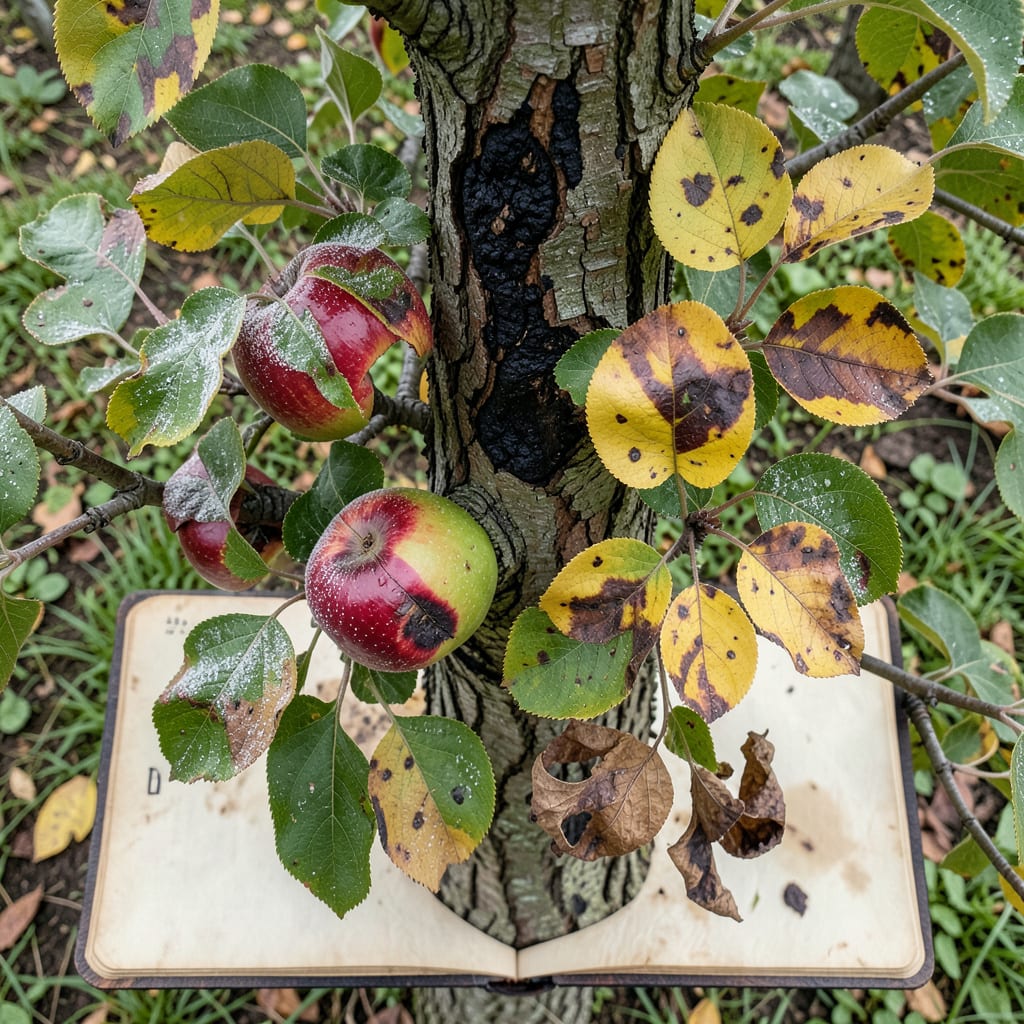
Spotted brown leaves on your apple tree last week? I’ve been there—watching healthy growth turn into a disease mystery overnight. Early identification is key to saving your harvest and the tree itself.
Most apple tree problems show up first as discolored leaves, strange spots, or unusual growths. The good news: with clear photos and symptoms, you can pinpoint the issue before it spreads to your entire orchard.
I’ve learned that 90% of prevention comes from understanding what you’re dealing with. This guide cuts through the confusion with visual clues and straightforward solutions.
Works for backyard trees, small orchards, or even that single heirloom apple you inherited. Let’s get diagnosing.
Apple tree diseases often stem from a mix of environmental, biological, and cultural factors. Understanding the root causes helps you prevent and manage issues effectively. Below are the primary culprits behind these problems:
Many apple tree diseases, like apple scab (Venturia inaequalis) and powdery mildew (Podosphaera leucotricha), are caused by fungal spores. These thrive in wet, humid conditions and spread via wind, rain, or infected plant debris. Overhead watering and poor air circulation exacerbate fungal growth.
Bacteria such as Erwinia amylovora (fire blight) enter through wounds or blossoms, leading to blackened branches and dieback. Warm, wet springs create ideal conditions for bacterial spread. Pruning tools and insects can also transmit these pathogens.
Insects like aphids, codling moths, and apple maggots weaken trees by feeding on leaves and fruit, creating entry points for diseases. Some pests, like the woolly apple aphid, also secrete honeydew, promoting sooty mold growth.
Poor soil drainage, drought, or nutrient deficiencies stress trees, making them more susceptible to diseases. For example, low calcium increases the risk of bitter rot, while waterlogged roots invite Phytophthora root rot.
Improper pruning, lack of sanitation (e.g., leaving fallen leaves or fruit to rot), and overcrowded plantings can all spread or encourage diseases. Sterilizing tools and removing infected material reduces these risks.
Tackling apple tree diseases starts with quick action and the right approach. Below are targeted solutions for common issues, paired with prevention tips to keep your orchard thriving. 🌳✨
Prune and burn infected leaves and branches to stop the fungus from spreading. Apply fungicide sprays (like sulfur or copper) in early spring before buds open, and repeat every 7–10 days during wet weather. Prevention tip: Rake fallen leaves in autumn to eliminate overwintering spores.
Hang pheromone traps in trees to catch adult moths before they lay eggs. For existing larvae, use spinosad or kaolin clay sprays. Prevention tip: Wrap tree trunks with cardboard bands to trap larvae, and remove them weekly.
Treat affected areas with neem oil or baking soda solution (1 tbsp baking soda + 1 tsp dish soap + 1 gallon water). Improve air circulation by thinning branches. Prevention tip: Plant disease-resistant varieties like ‘Liberty’ or ‘Enterprise.’
Cut infected branches 8–12 inches below visible damage using sterilized pruners. Dip tools in rubbing alcohol between cuts. Apply streptomycin spray during bloom if the disease persists. Prevention tip: Avoid excessive nitrogen fertilization, which promotes susceptible new growth.
Look for olive-green to brown spots on leaves and fruit. As the disease progresses, these spots darken and may crack. Severe cases cause premature leaf drop.
Yes! A mix of 1 tbsp baking soda + 1 tsp dish soap + 1 gallon water works well. Spray weekly and improve air circulation by thinning branches.
Avoid over-fertilizing with nitrogen and sterilize pruning tools with rubbing alcohol. Remove infected branches immediately and dispose of them far from healthy trees.
