
Beautiful Plants For Your Interior
Beautiful Plants For Your Interior
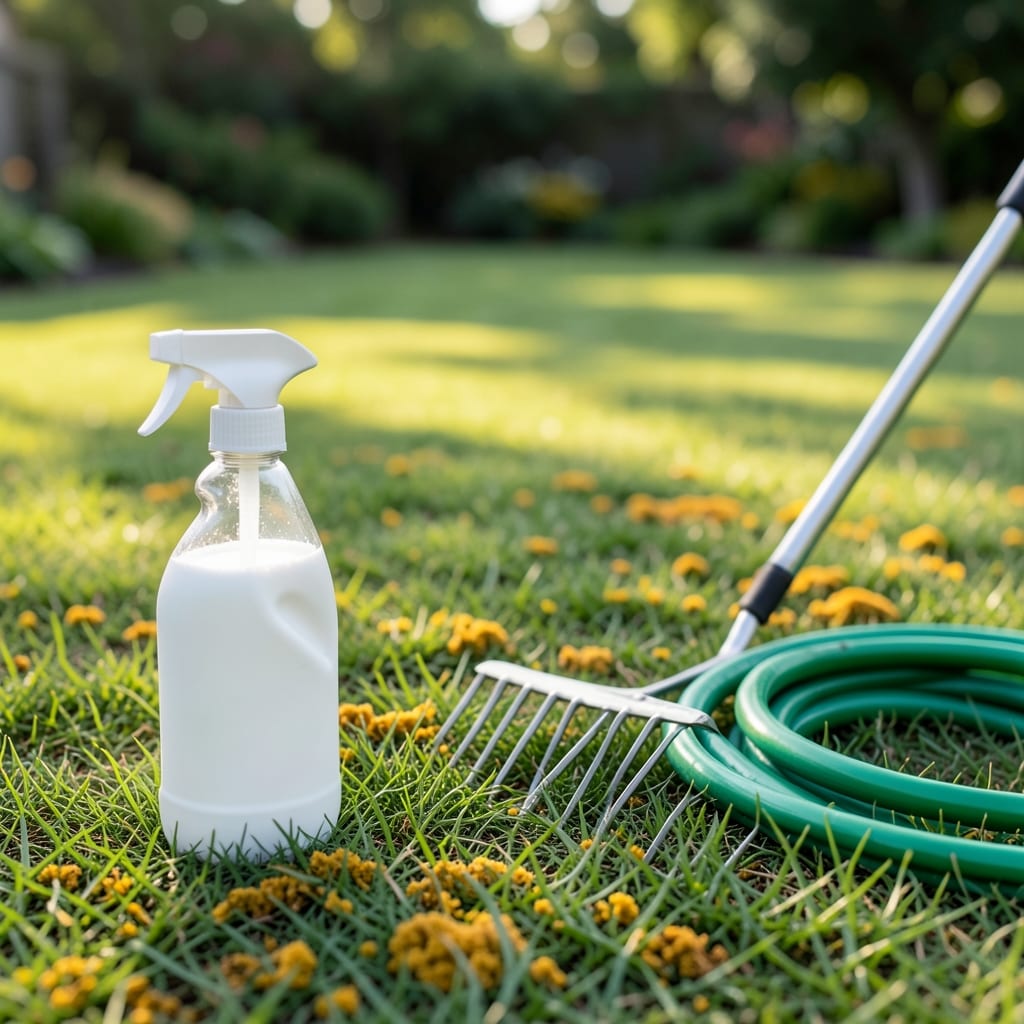
That yellow-orange goo on your mulch isn’t a fungus—it’s slime mold. I first spotted it last spring and nearly panicked, thinking my garden was doomed.
Turns out it’s harmless to plants but ugly as sin. The good news? It’s easy to remove and prevent with simple, natural methods that won’t hurt your soil or healthy plants.
Within 24-48 hours of treatment, those unsightly patches disappear. No chemicals needed—just a few household items and a little elbow grease.
Works for flower beds, vegetable gardens, and lawns. Here’s how to tackle it without breaking a sweat.
Slime mold appears in gardens and lawns due to specific environmental conditions and organic matter. Understanding the root causes helps prevent and manage its growth effectively.
Slime mold thrives in damp environments. Heavy rainfall, overwatering, or poor drainage creates the perfect breeding ground. The spores, naturally present in soil, activate and multiply when moisture levels remain high for extended periods.
Decaying organic material, such as fallen leaves, wood chips, or grass clippings, provides the nutrients slime mold needs to grow. These materials create a rich, moist environment ideal for spore development.
Slime mold favors warm, humid conditions, typically emerging in late spring or early summer. Temperatures between 70–90°F (21–32°C) accelerate spore germination, especially when combined with high moisture levels.
Dense plantings or thick thatch layers restrict airflow, trapping moisture near the soil surface. This stagnant environment encourages slime mold growth, as spores can settle and proliferate undisturbed.
Slime mold may look alarming, but it’s often harmless and manageable with the right approach. Below are practical solutions tailored to common causes, along with prevention tips to keep your garden mold-free.
Fix: Reduce watering frequency and improve drainage. If your garden beds stay soggy, amend the soil with compost or sand to enhance aeration. For potted plants, ensure containers have drainage holes.
Prevention: Water plants in the morning so excess moisture evaporates during the day. Avoid over-mulching, which can trap dampness.
Fix: Remove fallen leaves, twigs, and other decaying matter where slime mold thrives. Rake mulch regularly to disrupt its growth and expose it to drying sunlight.
Prevention: Keep your garden tidy. Use a thin layer of mulch (1-2 inches) and opt for coarse types like bark chips, which dry faster than fine materials.
Fix: Thin out dense plantings to allow airflow and sunlight penetration. Prune low-hanging branches to open up shaded spots where slime mold loves to settle.
Prevention: Space plants appropriately and choose sun-loving varieties for shady areas. Consider installing a small fan in greenhouses to improve circulation.
With these steps, you can tackle slime mold effectively and keep your garden thriving. Consistency is key—stay proactive to prevent its return!
Generally yes, but it’s best to avoid direct contact. Some varieties may cause mild skin irritation. Always wear gloves when handling and wash your hands thoroughly afterward.
Possibly if conditions remain favorable. Remove all visible mold and address moisture or debris issues to prevent recurrence. Regular garden maintenance reduces the chances significantly.
Yes, a 1:1 white vinegar and water solution can kill slime mold. Spray directly on affected areas, but test on a small patch first as vinegar may harm some plants.
Most natural methods show results within 24-48 hours. The mold will darken and dry out as it dies. Full disappearance may take a few days depending on the infestation size.