
Beautiful Plants For Your Interior
Beautiful Plants For Your Interior
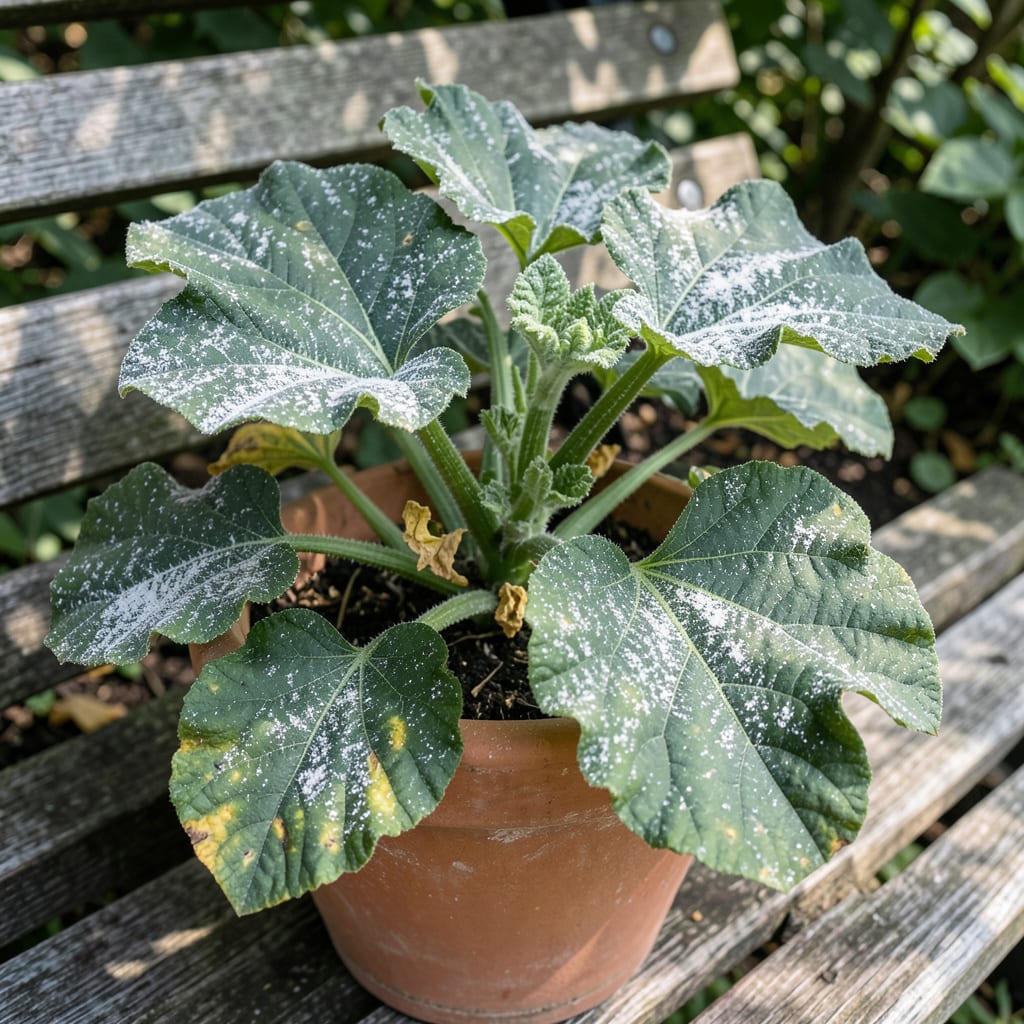
White dust on leaves means trouble, but it’s fixable. I’ve battled powdery mildew across my garden, and the key is catching it early before it spreads to every plant.
This fungus loves crowded plants, humid air, and dry soil. The first sign is a white, powdery coating on leaves, usually starting on the top surface. Left unchecked, it weakens plants and reduces yields.
Prevention is simpler than you think: space plants properly, water at the base, and keep air circulating. A weekly spray of baking soda solution often stops it in its tracks.
For bad cases, remove infected leaves immediately and treat with neem oil or sulfur-based fungicides. Your plants can recover with the right approach.
Powdery mold, often mistaken for powdery mildew, thrives under specific environmental conditions and plant vulnerabilities. Below are the primary causes behind its appearance on plants.
This fungal issue flourishes in environments with high humidity (60-80%) and stagnant air. When moisture lingers on plant surfaces without proper ventilation, spores germinate and spread rapidly. Greenhouses, crowded plantings, or indoor spaces with limited airflow are prime targets.
Watering from above leaves foliage damp for extended periods, creating an ideal breeding ground for spores. Powdery mold spores require moisture to activate, and wet leaves—especially in the evening—accelerate infection. Drip irrigation or soil-level watering helps prevent this.
Some plants are genetically more prone to powdery mold, including roses, cucumbers, squash, and grapes. These species often lack natural resistance, making them easy targets. Older or stressed plants with weakened defenses are also at higher risk.
Dense plant arrangements restrict airflow and trap humidity, two key triggers for spore growth. Pruning to improve circulation and spacing plants appropriately can significantly reduce the likelihood of infection.
Excess nitrogen promotes lush, soft growth that’s more vulnerable to fungal attacks. Conversely, a deficiency in silica or potassium weakens plant cell walls, making them easier for spores to penetrate. Balanced fertilization strengthens plant resilience.
Powdery mold thrives in dry, warm conditions, but tackling it early can save your plants. Here’s how to fix it based on the cause:
Stagnant air traps humidity, creating a perfect breeding ground for spores. Fix it by:
Prevention tip: 💡 Avoid overcrowding plants from the start.
Wet leaves encourage fungal growth. Fix it by watering at the soil level instead of sprinkling from above. Use a drip irrigation system or a watering can with a narrow spout.
Prevention tip: 🌧️ Water early in the day so any accidental leaf moisture dries quickly in the sun.
Powdery mold loves humidity, but you can disrupt its environment. Fix it by:
Prevention tip: ✨ Aim for 40-60% humidity for most plants.
For active infections, treat plants with:
Prevention tip: 🎯 Rotate treatments to prevent resistance.
Act fast at the first sign of white, powdery spots—early intervention keeps your garden thriving!
It appears as white, powdery spots on the upper surface of leaves. These spots can spread quickly, covering entire leaves and stems if untreated.
Spores travel easily through air and water. High humidity and poor airflow accelerate growth, allowing it to jump between plants in 24-48 hours.
Yes! A mix of 1 tsp baking soda in 1 quart water with dish soap works well. Spray weekly for prevention and treatment.
Remove and destroy infected leaves immediately to prevent further spread. Never compost them, as spores can survive.
