
Beautiful Plants For Your Interior
Beautiful Plants For Your Interior
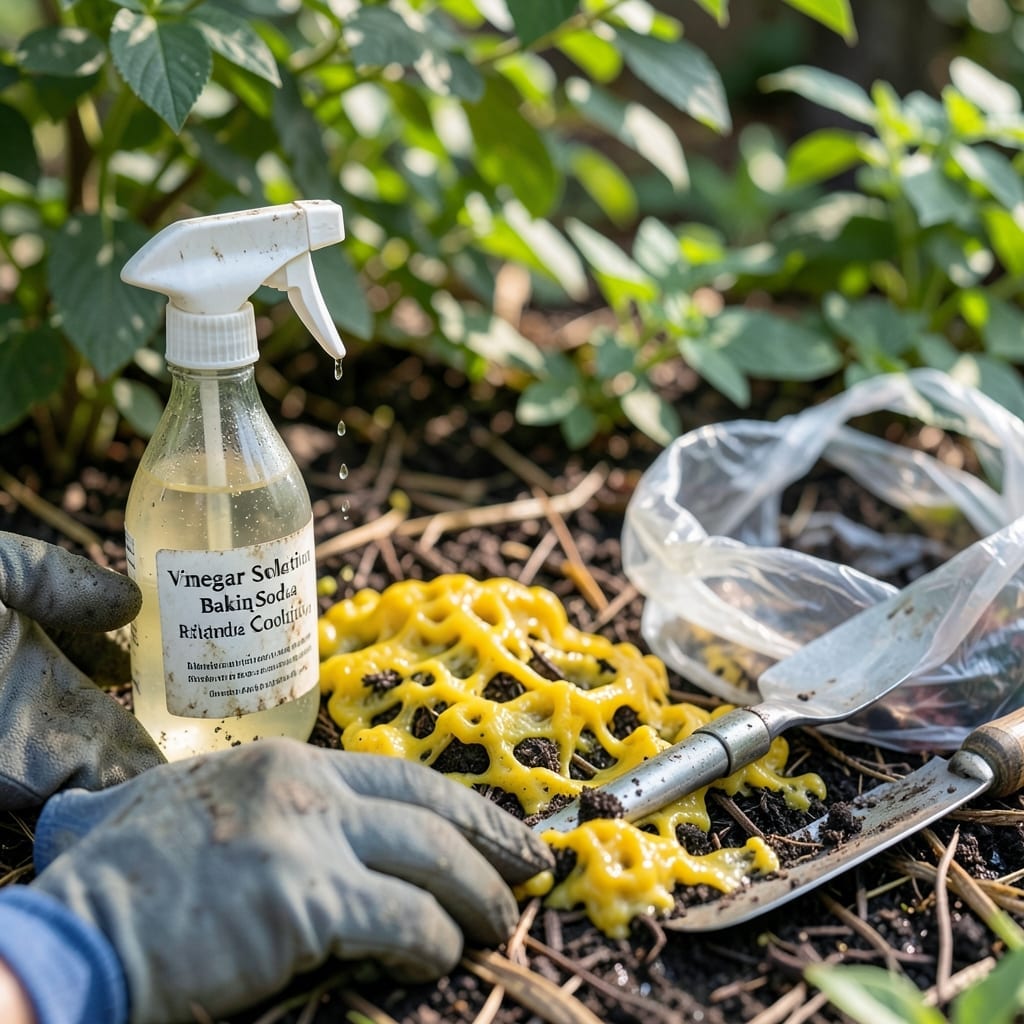
That weird black or yellow stuff on your lawn isn’t fungus—it’s slime mold. I found my first patch last summer and panicked, but the solution turned out simpler than I expected.
Slime mold thrives in damp, shaded areas with lots of organic matter. It looks ugly but won’t kill your grass. The key is removing it without harming the lawn underneath.
You’ll get your turf looking healthy again with basic tools and household items. No harsh chemicals needed. The process takes 10 minutes and prevents it from coming back.
Works for any grass type and keeps your yard safe for kids and pets. Here’s exactly how to tackle it.
Slime mold in lawns often leaves homeowners puzzled. While it looks alarming, it’s usually harmless and temporary. Understanding why it appears is the first step to managing it. Here are the primary causes:
Slime mold thrives in damp conditions. Heavy rainfall, overwatering, or poor drainage can create the perfect breeding ground. When soil stays soggy for extended periods, it invites slime mold spores to grow and spread across the grass.
Thick layers of thatch, fallen leaves, or grass clippings provide food for slime mold. As these organic materials decompose, they release nutrients that feed the mold, encouraging its growth. Regularly aerating and raking your lawn can help prevent this buildup.
Slime mold is most active in warm, humid environments, typically during late spring and summer. These conditions accelerate spore germination, leading to visible patches on your lawn. While you can’t control the weather, proper lawn care can mitigate its impact.
Compacted soil restricts airflow and water absorption, creating pockets of moisture where slime mold can flourish. Aerating your lawn improves drainage and reduces the likelihood of mold development.
Slime mold can be unsightly, but it’s usually harmless and easy to manage with the right approach. Below are practical solutions tailored to common causes, along with prevention tips to keep your lawn healthy.
Fix: Rake the affected area gently to break up the mold and expose it to air and sunlight, which will dry it out. For thick thatch, use a dethatching rake or mower to remove excess organic buildup. Bag and dispose of the debris to prevent regrowth.
Prevention: Mow regularly and avoid leaving grass clippings in thick layers. Aerate your lawn annually to reduce thatch buildup.
Fix: Improve drainage by amending the soil with sand or compost. If the area is waterlogged, consider installing a French drain or redirecting downspouts. For small patches, simply reduce watering until the mold disappears.
Prevention: Water your lawn early in the morning to allow excess moisture to evaporate. Ensure your irrigation system isn’t overwatering specific zones.
Fix: Thin out nearby trees or shrubs to allow more sunlight and airflow. Prune low-hanging branches to open up the canopy. For persistent mold, apply a light layer of lime to raise the soil pH, making it less hospitable for slime mold.
Prevention: Choose shade-tolerant grass varieties and maintain proper spacing between plants to encourage air circulation.
Fix: Remove leaves, twigs, and other organic matter from your lawn regularly. Use a leaf blower or rake to keep the surface clean. For mulched areas, turn the mulch occasionally to prevent compaction and mold growth.
Prevention: Keep your lawn free of debris, especially during fall and spring when organic matter accumulates quickly.
💡 Pro Tip: If slime mold persists, apply a natural fungicide like neem oil or a baking soda solution (1 tablespoon per gallon of water) to the affected area. Always test on a small patch first!
No, it’s mostly a cosmetic issue. It won’t kill your grass but can block sunlight. Rake it up to restore your lawn’s appearance quickly.
Once or twice should suffice. Focus on breaking up the mold and letting the area dry. Avoid over-raking to prevent damaging the grass underneath.
Yes! Reduce moisture by watering early and improving drainage. Remove organic debris regularly and aerate compacted soil.
Rarely. Natural methods like sunlight, airflow, and baking soda solutions work well. Use harsh chemicals only as a last resort.