
Beautiful Plants For Your Interior
Beautiful Plants For Your Interior
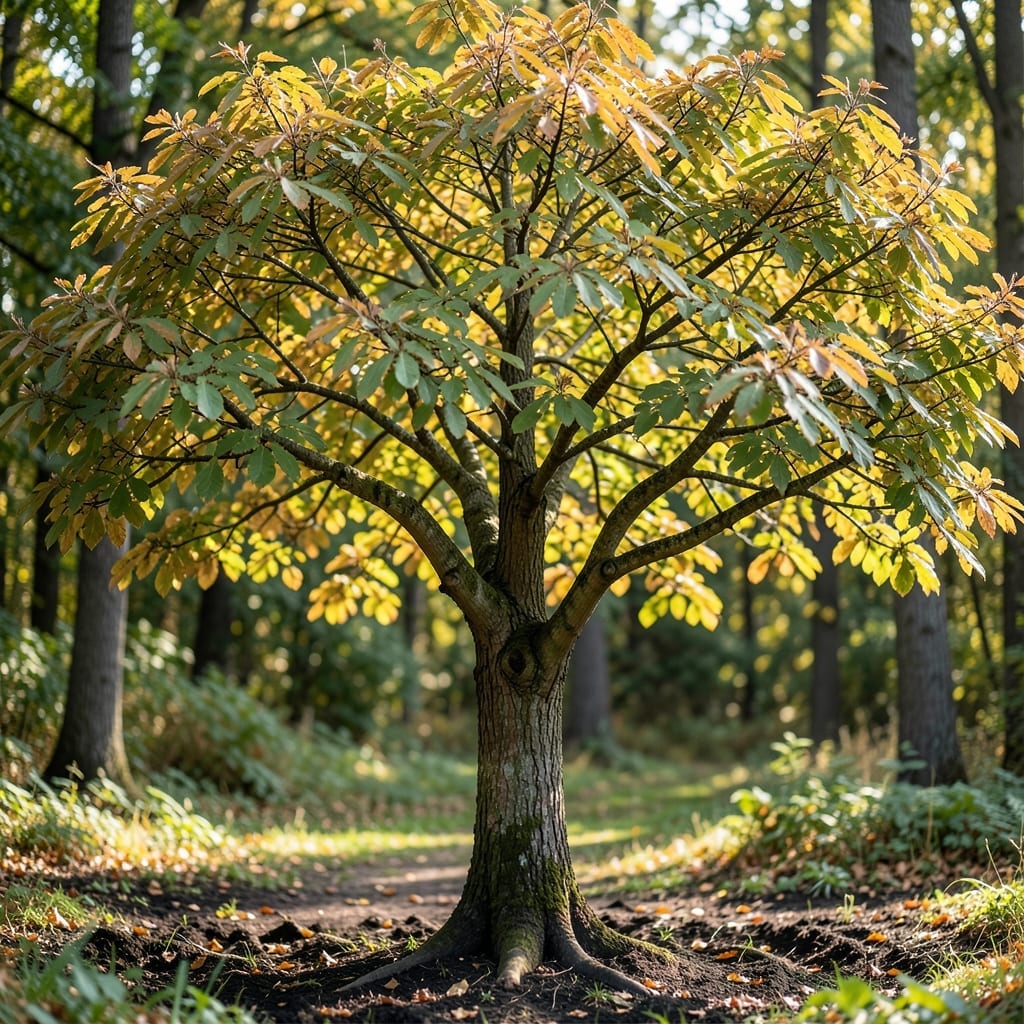
Yellowing leaves and soggy soil spell trouble for your tree. I’ve watched too many gardeners love their plants to death with extra water, only to see them decline faster than a summer drought.
Overwatering doesn’t just drown roots—it chokes them. The first signs are often wilting leaves that look thirsty, even though the soil stays wet. Then comes the stench of root rot, a sure sign your tree is in distress.
Catching it early means the difference between revival and removal. Check for mushy stems, blackened roots, or soil that never seems to dry. These are your tree’s SOS signals.
Fixing it starts with a pause on watering and a close look at drainage. Most trees bounce back once they get a chance to breathe again.
Overwatering trees often stems from well-intentioned but misguided care. Here’s why it happens, broken down by the most common causes:
When soil lacks proper drainage, water pools around the roots, suffocating them. Clay-heavy or compacted soils are prime culprits, as they retain moisture far longer than sandy or loamy soils. Root asphyxiation occurs when oxygen can’t reach the roots, leading to decay. Installing drainage tiles or amending soil with organic matter can prevent this.
Many gardeners assume trees need frequent watering, but most established trees thrive on deep, infrequent hydration. Shallow, daily watering encourages weak root systems that drown easily. Use a moisture meter or the finger test (stick your finger 2–3 inches into the soil) to check if watering is truly needed.
Different trees have vastly different water tolerances. For example, drought-tolerant species like oak or pine require minimal watering once mature, while willows or birches prefer consistently moist soil. Research your tree’s native habitat—arid vs. wetland origins—to tailor your watering approach.
While mulch conserves moisture, excessive layers (over 4 inches) trap water against the trunk, fostering fungal growth and rot. Keep mulch 6–12 inches away from the base and use coarse materials like wood chips to allow airflow.
If your tree is showing signs of too much water, act fast to prevent long-term damage. Here’s how to address the most common issues and restore your tree’s health.
If water pools around the base after rain or watering, your soil may be compacted or poorly draining. Stop watering immediately and let the soil dry out. For a quick fix, gently loosen the top 2–3 inches of soil with a garden fork to help water drain. For heavy clay soil, mix in organic matter like compost or sand to improve drainage long-term.
Prevention tip: 💡 Always check soil moisture before watering—stick your finger 2 inches deep; if it’s damp, wait.
Overwatered trees often develop yellow, wilted, or drooping leaves. Cut back on watering and let the top 1–2 inches of soil dry out between sessions. If your tree is in a pot, ensure the container has drainage holes and elevate it to avoid waterlogging. For in-ground trees, consider redirecting sprinklers or using a soaker hose on a timer.
Prevention tip: 🌡️ Use a moisture meter to take the guesswork out of watering.
A musty smell or mushrooms at the base are red flags for root rot. First, stop all watering and remove any mulch or debris trapping moisture. If the rot is severe, carefully prune affected roots (sterilize your tools with rubbing alcohol first) and repot or replant the tree in fresh, well-draining soil. For mild cases, a fungicide like copper-based solution can help.
Prevention tip: ✨ Avoid over-mulching—keep mulch 3–4 inches away from the trunk to prevent moisture buildup.
If your tree is struggling to grow, compacted soil may be suffocating the roots. Aerate the soil by poking holes 12–18 inches deep around the root zone with a garden fork or aerator tool. This allows oxygen, water, and nutrients to reach the roots more effectively.
Prevention tip: 🎯 Aerate once a year in early spring or fall for optimal root health.
Look for yellowing leaves that feel limp or mushy to the touch. The soil may stay soggy for days after watering or rain. A foul odor near the base often signals root rot.
Yes, if caught early. Stop watering, remove wet mulch, and let the soil dry. For severe cases, trim blackened roots and repot in fresh, well-draining soil.
Most established trees need deep watering only 1-2 times per week. Always check soil moisture 2-3 inches down before adding more.
Excess water prevents roots from absorbing oxygen and nutrients. Without these, leaves can’t produce chlorophyll, causing them to turn yellow and drop prematurely.