
Beautiful Plants For Your Interior
Beautiful Plants For Your Interior
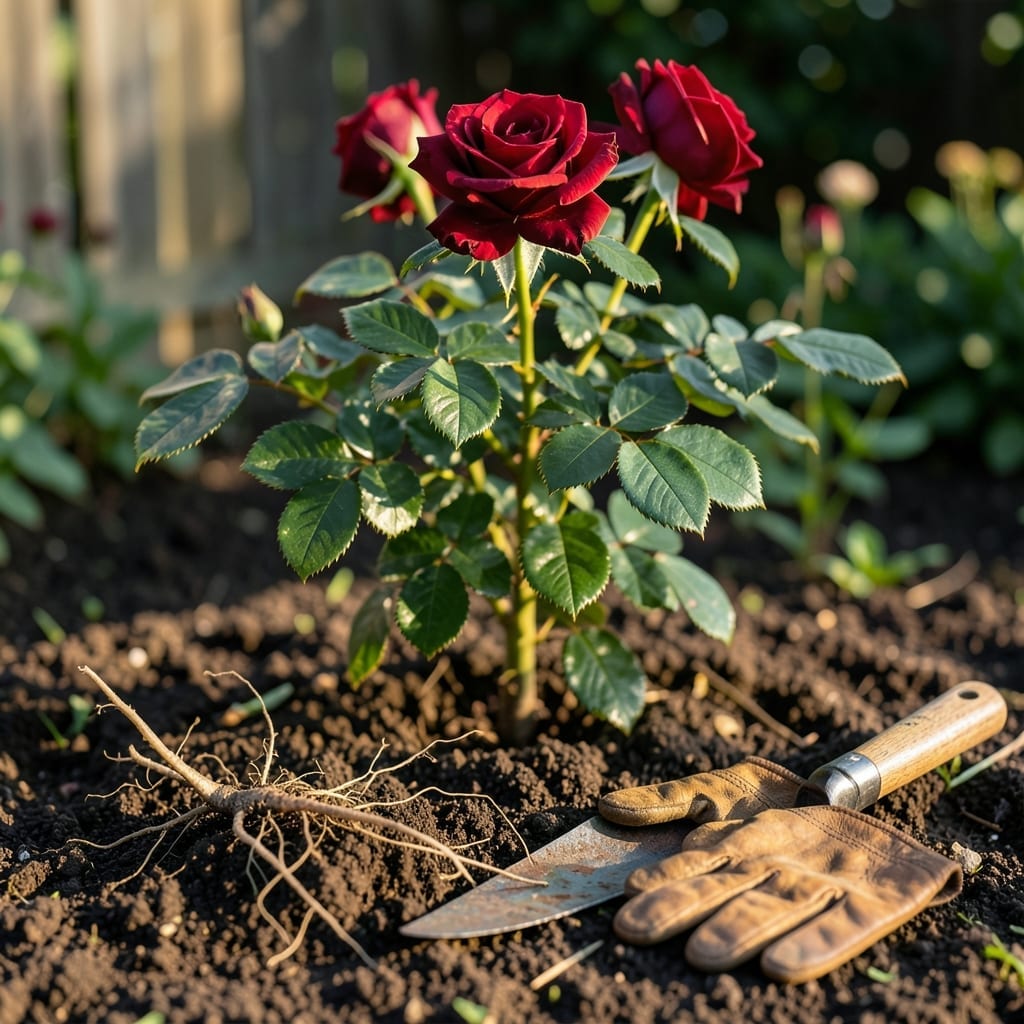
Timing is everything when planting bare root 🌹 roses in Zone 6—plant too early or too late, and you risk stunted growth or even losing your roses entirely.
I’ve learned the hard way that missing the ideal window can set you back an entire season. The good news is there are two perfect opportunities each year to get it right.
Whether you’re a seasoned gardener or just starting out, knowing these precise planting times will make all the difference. Let me share the exact spring and fall windows that ensure strong, vibrant blooms.
Discover how to time your planting for maximum success with these simple but critical guidelines.
Getting the timing right for bare root roses in Zone 6 can make or break your garden. I’ve found that planting during the ideal windows ensures your roses establish strong roots before stress from heat or cold sets in.
The best times are early spring or fall, when the soil is workable and temperatures are mild. This gives your roses the best start for vibrant blooms and healthy growth.
| Season | Ideal Months | Soil Temp | Frost Considerations |
|---|---|---|---|
| Spring | March to April | 50-60°F | After last frost |
| Fall | October to early November | 50-60°F | 6 weeks before first frost |
In early spring, aim to plant 4-6 weeks before your last expected frost, which is typically around April 15 in Zone 6. This timing allows roots to establish before the heat of summer arrives.
For fall planting, get your roses in the ground 6 weeks before the first frost, usually by early November. This gives them enough time to settle in before winter dormancy.
Soil temperature is key. 50-60°F is ideal for root growth. Use a soil thermometer to check conditions, especially in early spring when the ground may still be cold from winter.
I always recommend soaking bare roots in water for 2-3 hours before planting. This rehydrates the roots and gives them a head start in their new home.
Remember, drainage is critical. Roses hate soggy roots, so choose a spot with well-draining soil or amend your garden bed with compost to improve structure.
After planting, water deeply to settle the soil and eliminate air pockets. Keep the soil consistently moist but not waterlogged during the first few weeks.
With the right timing and care, your bare root roses will reward you with lush growth and abundant blooms for years to come. 🌹
Planting bare root roses in Zone 6 requires careful preparation to ensure success. I always start by selecting a sunny location with at least 6 hours of direct sunlight daily for optimal growth.
Before planting, I soak the bare roots in water for 2-3 hours to rehydrate them. This step is crucial for reviving the roots after storage and giving them a strong start in the soil.
When digging the hole, make sure it’s deep enough to accommodate the roots without bending them. I aim for a depth that allows the bud union to sit slightly below the soil surface, which protects it from freezing temperatures.
After placing the rose in the hole, I backfill with a mix of native soil and compost. This improves drainage and provides essential nutrients. Watering deeply at this stage helps settle the soil and ensures good root-to-soil contact.
Once planted, I apply a 2-3 inch layer of mulch around the base to conserve moisture and suppress weeds. Keep the mulch a few inches away from the stem to prevent rot and allow for proper air circulation.
Finally, I water the rose thoroughly and continue to monitor soil moisture for the first few weeks. Consistent watering is key, but be careful not to overwater, as roses prefer moist but well-drained soil. 🌹