
Beautiful Plants For Your Interior
Beautiful Plants For Your Interior
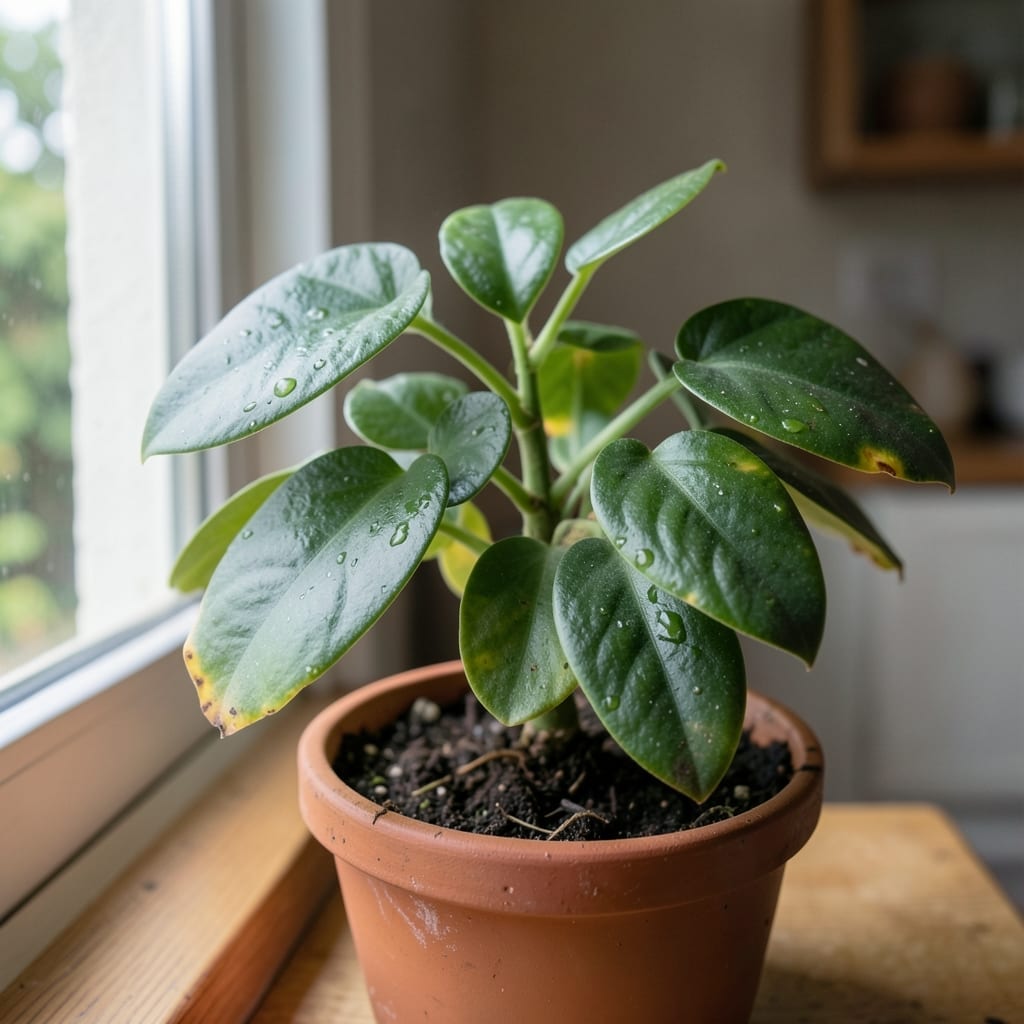
Yellow leaves and soft stems are your hoya’s way of screaming “too much water.” 🌱 I’ve rescued more than a few by catching these signs early—soggy soil, black spots, and leaves that look more like wet paper than healthy foliage.
Overwatering suffocates the roots, and hoyas hate wet feet. The fix starts with letting the soil dry out completely between waterings. I use the finger test: if the top 2 inches aren’t bone-dry, the watering can stays put.
You’ll know it’s working when new growth firms up and the yellowing stops spreading. Recovery takes 2-4 weeks, but your hoya will bounce back stronger if you act fast and adjust your routine.
Prevention is simpler than you think: well-draining soil, pots with drainage holes, and a watering schedule based on the plant’s needs, not your enthusiasm.
Overwatering your hoya isn’t just about giving it too much water—it’s often the result of several interconnected factors. Understanding these causes helps you adjust your care routine to keep your plant thriving. Here’s why it happens:
Hoyas thrive in well-draining environments. When pots lack drainage holes or use dense, water-retentive soil (like pure peat or clay), excess water lingers around the roots. This suffocates the root system, preventing oxygen uptake and leading to root rot. Always use pots with drainage and a chunky, aerated soil mix (e.g., perlite or orchid bark).
Many plant parents stick to a rigid watering schedule (e.g., “every Sunday”) instead of responding to the plant’s needs. Hoyas are succulent-like and store water in their leaves, so they prefer drying out between waterings. Water only when the top 1–2 inches of soil are dry to the touch.
In dimly lit or highly humid spaces, soil stays moist longer. Hoyas in such conditions need even less water because evaporation slows down. If your hoya sits in a shady bathroom or a terrarium, reduce watering frequency by 30–50% compared to a sunlit windowsill.
A pot that’s too large holds excess moisture, increasing the risk of overwatering. Hoyas prefer snug roots—choose a pot only 1–2 inches wider than the root ball. This ensures the soil dries out more evenly.
Overwatering can leave your hoya looking sad, but don’t worry—it’s often fixable! Here’s how to nurse your plant back to health, step by step.
If the leaves are yellow or limp, stop watering immediately and let the soil dry out completely. Stick your finger 1-2 inches into the soil—if it feels damp, wait a few more days. Once dry, resume watering only when the top 50% of the soil is dry. Use a well-draining mix (try adding perlite or orchid bark) to prevent future soggy soil.
Prevention tip: 💡 Water on a schedule only if the soil test says so—hoyas thrive on neglect!
Soft, blackened stems or a foul odor mean root rot. Act fast: Gently remove the plant from its pot and trim away any mushy, dark roots with sterilized scissors. Repot in fresh, dry soil and a clean container with drainage holes. Hold off on watering for at least 5-7 days to let the roots recover.
Prevention tip: ✨ Always use pots with drainage holes and empty the saucer after watering.
Overwatering can cause edema (tiny bumps on leaves) or sudden leaf drop. Move your hoya to a spot with better air circulation and reduce humidity if it’s too high. A small fan on low can help, but avoid direct drafts. Resume watering only when the soil is dry to the touch.
Prevention tip: 🌡️ Group plants loosely to encourage airflow, and avoid misting overly damp soil.
If your hoya’s soil stays soggy for days, it’s time for a mix upgrade. Switch to a chunky, fast-draining blend (e.g., 50% potting soil, 30% perlite, 20% orchid bark). Terracotta pots also help wick away excess moisture faster than plastic.
Prevention tip: 🎯 Test new soil by watering it—if water pools on top, it’s not drainy enough!
Check for yellow leaves, mushy stems, or soil that stays wet for days. If the leaves feel soft or the soil smells sour, it’s likely overwatered.
Yes! Stop watering, let the soil dry out completely, and trim any rotten roots. Recovery takes 2-4 weeks with proper care and well-draining soil.
Water only when the top 1–2 inches of soil are bone-dry. In low light or high humidity, stretch the interval to 10–14 days.
Use a chunky mix with 50% potting soil, 30% perlite, and 20% orchid bark. This ensures fast drainage and healthy roots.