
Beautiful Plants For Your Interior
Beautiful Plants For Your Interior
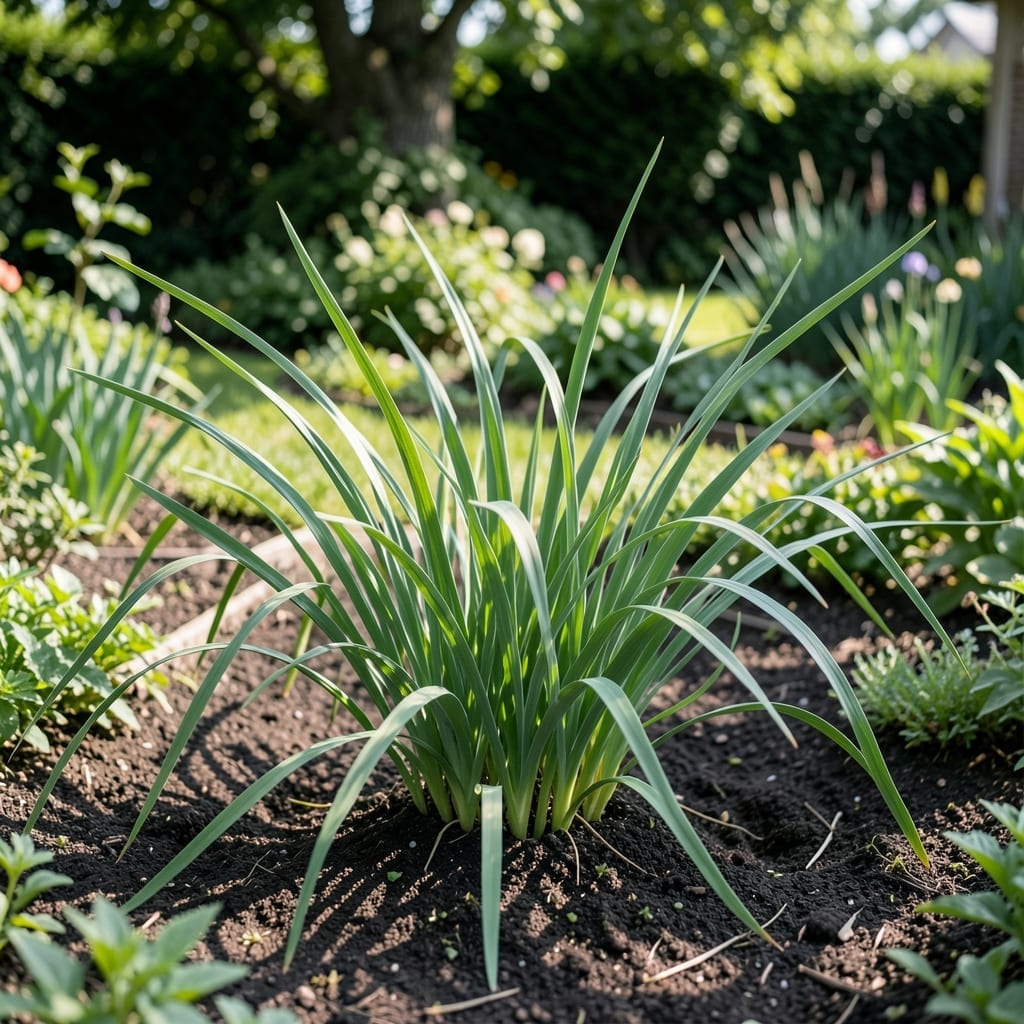
Yellow spots on Siberian iris leaves ruined my first planting season. I thought it was a lost cause until I realized it was just the plant’s way of asking for help.
Turns out, most issues are fixable with simple adjustments to watering, soil, or sunlight. Within 2-3 weeks of the right care, those leaves bounce back greener than ever.
📚 In This Guide
Here’s the method I use to diagnose and treat yellow spots on your plants effectively.
Start by examining the affected leaves closely. Look for yellow spots that may appear on the edges or spread across the surface. I always check both the upper and lower sides of the foliage because some issues, like fungal infections, often start underneath.
Note the size, shape, and pattern of the spots. Circular or irregular yellow patches often indicate disease, while uniform yellowing might suggest nutrient deficiencies. The more details you gather, the easier it is to pinpoint the cause and apply the right solution.
Check the current environment of your plants. Siberian iris thrives in full sun to partial shade and prefers consistently moist but well-drained soil. If the leaves are developing yellow spots, it might be sitting in waterlogged soil or receiving too much direct sunlight.
I’ve found that poor drainage is a common culprit. Dig a small test hole near the plant and fill it with water. If the water doesn’t drain within 30 minutes, the soil is likely too compacted or clay-heavy, which can stress the roots and lead to leaf discoloration.
Overwatering or underwatering can both lead to yellow spotting on leaves. I water my plants deeply but infrequently, ensuring the soil stays evenly moist but never soggy. Stick your finger 1-2 inches into the soil—if it feels dry at that depth, it’s time to water.
If the soil feels waterlogged, reduce watering frequency and improve drainage by amending the soil with organic matter. On the other hand, if the soil is bone dry and pulling away from the edges of the container or ground, increase watering gradually to avoid shocking the plant.
Yellow spots can also signal a lack of essential nutrients. Nitrogen deficiency often causes uniform yellowing of older leaves, while potassium or magnesium shortages may create yellow or brown spots along leaf edges. I apply a balanced, slow-release fertilizer in early spring to give the plants a strong start.
For a quick boost, use a water-soluble fertilizer, but avoid over-fertilizing, as this can burn the roots and worsen leaf damage. Follow the package instructions for application rates, and always water the plant thoroughly after applying fertilizer to help distribute the nutrients evenly.
If the yellow spots are accompanied by other symptoms like holes, webbing, or a powdery residue, pests or diseases may be the issue. Iris borers, for example, create tunnels in the leaves, leading to discoloration and wilting. I inspect the foliage regularly for signs of infestation or infection.
For fungal issues, remove and destroy affected leaves to prevent the spread. Apply a fungicide labeled for use on iris if the problem persists. For pests, treat with an appropriate insecticide or use natural remedies like neem oil for a gentler approach. Always follow the product instructions carefully to avoid further harm.
Here’s what I’ve learned from troubleshooting yellow spots on Siberian iris leaves.
Diagnosis Tip: In Step 1, checking both sides of the leaves is crucial. I’ve missed early fungal infections before by only looking at the top. Circular spots often mean disease, while uniform yellowing usually points to nutrient issues.
Drainage Test: The 30-minute drainage test in Step 2 is your best friend. If water doesn’t drain in that time, your soil is likely compacted. I always amend with organic matter to improve drainage—it prevents root stress and those pesky yellow spots.
Watering Wisdom: For Step 3, that 1-2 inch finger test is foolproof. If the soil feels dry at 2 inches, water deeply. If it’s soggy, hold off and improve drainage. Shocking the plant with sudden water changes can make yellow spots worse.
Fertilizer Caution: In Step 4, always water after fertilizing. I learned this the hard way—applying fertilizer to dry soil can burn roots, making yellow spots appear overnight. Slow-release fertilizer is gentler than water-soluble options for sensitive plants.
Yellow spots often indicate fungal infections like leaf spot or environmental stress. Overwatering, poor drainage, or high humidity can trigger this. Remove affected leaves and improve airflow to prevent spread.
Treat at the first sign of yellowing, ideally in early spring or fall. Avoid extreme heat or cold, as plants are more vulnerable. Regular monitoring helps catch issues early for effective intervention.
Yes! A baking soda solution (1 tsp per quart of water) or neem oil spray can help control mild fungal issues. Apply weekly until symptoms improve. Remove severely damaged leaves to prevent further spread.
Natural aging causes uniform yellowing, starting at the tips. Yellow spots, however, appear irregular and may have dark edges. If spots spread or multiply, it’s likely a disease requiring treatment.