
Beautiful Plants For Your Interior
Beautiful Plants For Your Interior
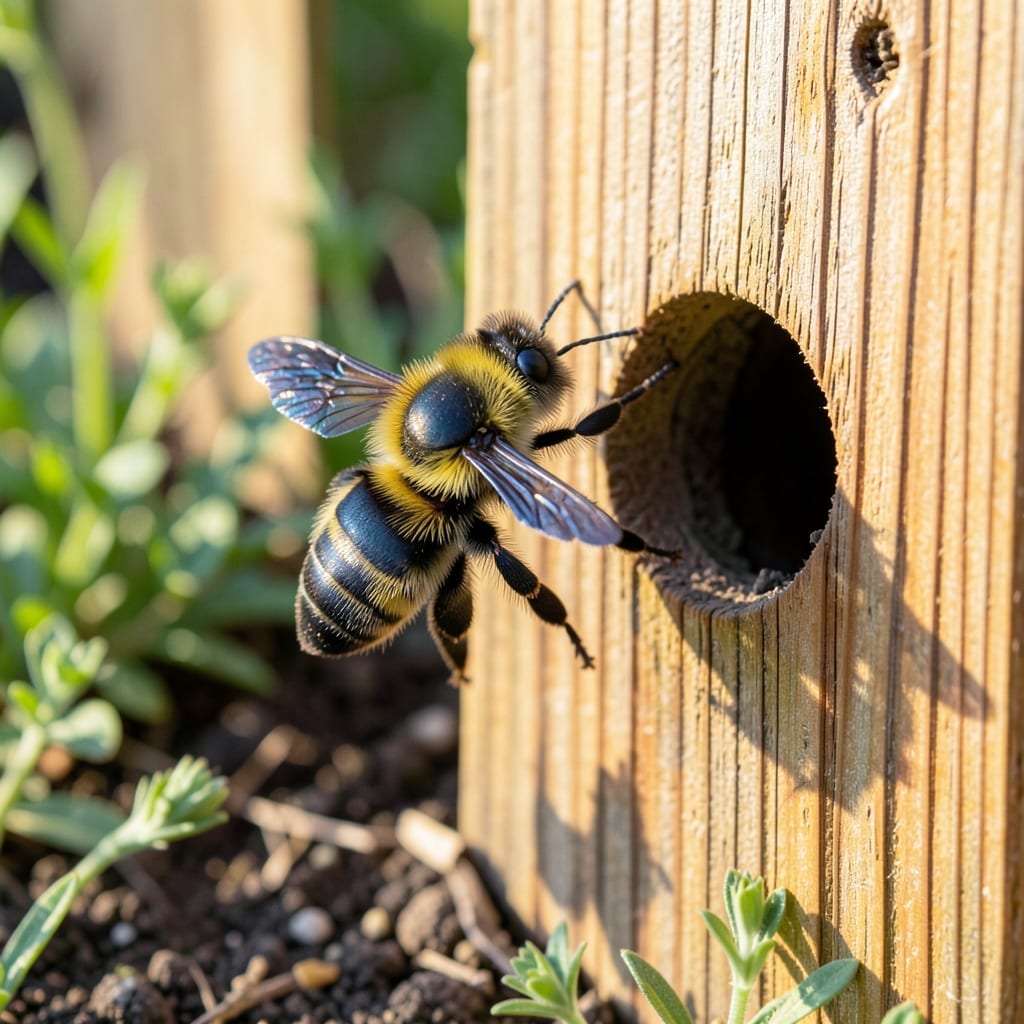
I first noticed the perfectly round holes in my wooden fence last spring. Carpenter bees look like bumblebees but with shiny black abdomens, and they can turn untreated wood into Swiss cheese in one season.
They don’t eat the wood—they excavate tunnels for nesting, which weakens structures over time. The males hover aggressively but can’t sting, while females can if provoked. I’ve learned to watch for them near decks, sheds, and outdoor furniture.
Safe removal starts with understanding their lifecycle. They’re active from April to June, and early intervention prevents new generations. The key is deterring them without harming pollinators.
This approach protects your wood and keeps your garden ecosystem intact. Here’s what actually works.
Carpenter bees are drawn to specific environmental conditions and materials, which explain their presence around your property. Understanding these factors can help you address the root causes and deter them effectively.
Carpenter bees prefer soft, untreated wood for nesting, such as pine, cedar, or redwood. These materials are easier to chew through, allowing them to create tunnels for their larvae. Wood that is painted, stained, or pressure-treated is less appealing, as it’s harder to penetrate.
These bees seek out protected areas like eaves, decks, fences, or wooden structures that offer shade and shelter from the elements. Overhangs and crevices provide ideal spots for nesting, as they shield their tunnels from rain and predators.
Adult carpenter bees feed on nectar and pollen, so gardens with abundant flowering plants—especially those with open, flat blooms like salvia or sunflowers—will attract them. While they’re beneficial pollinators, their proximity to wooden structures increases the likelihood of nesting nearby.
Wood that is damp or rotting is softer and easier for carpenter bees to excavate. Leaky gutters, poor drainage, or water-damaged wood can create prime conditions for infestation. Regularly inspecting and maintaining wooden structures can reduce this risk.
Dealing with carpenter bees can be frustrating, but these practical solutions will help you reclaim your space safely and effectively.
If you notice small, round holes in wooden structures, carpenter bees are likely the culprits. To fix this, fill the holes with steel wool or caulk to block their access. For a more permanent solution, apply a wood-hardening sealant to deter future nesting. Prevention tip: 💡 Treat exposed wood with paint or varnish annually to make it less appealing.
For active infestations, set up carpenter bee traps near nests. These traps mimic nesting sites, luring bees in but preventing escape. Alternatively, spray natural repellents like citrus or almond oil around affected areas—bees dislike these scents. Prevention tip: 🌿 Plant bee-repelling flora like marigolds or eucalyptus near vulnerable wood.
If you’re allergic or the infestation is severe, hire a pest control expert. Professionals use targeted treatments to eliminate bees without harming beneficial pollinators. Prevention tip: ✨ Regularly inspect decks, sheds, and fences for early signs of activity.
With these steps, you can safely remove carpenter bees and protect your property long-term.
Carpenter bees have shiny, hairless black abdomens, while bumblebees are fuzzy all over with yellow stripes. Males hover protectively near nests but can’t sting.
No, they excavate tunnels in wood to lay eggs but don’t consume it. The damage comes from their nesting habits, which can weaken structures over time.
Target early spring before they start nesting, typically March to April. This prevents new generations from establishing in your wood.
Yes, citrus or almond oil sprays deter them when applied to vulnerable wood. Reapply after rain for best results.