
Beautiful Plants For Your Interior
Beautiful Plants For Your Interior
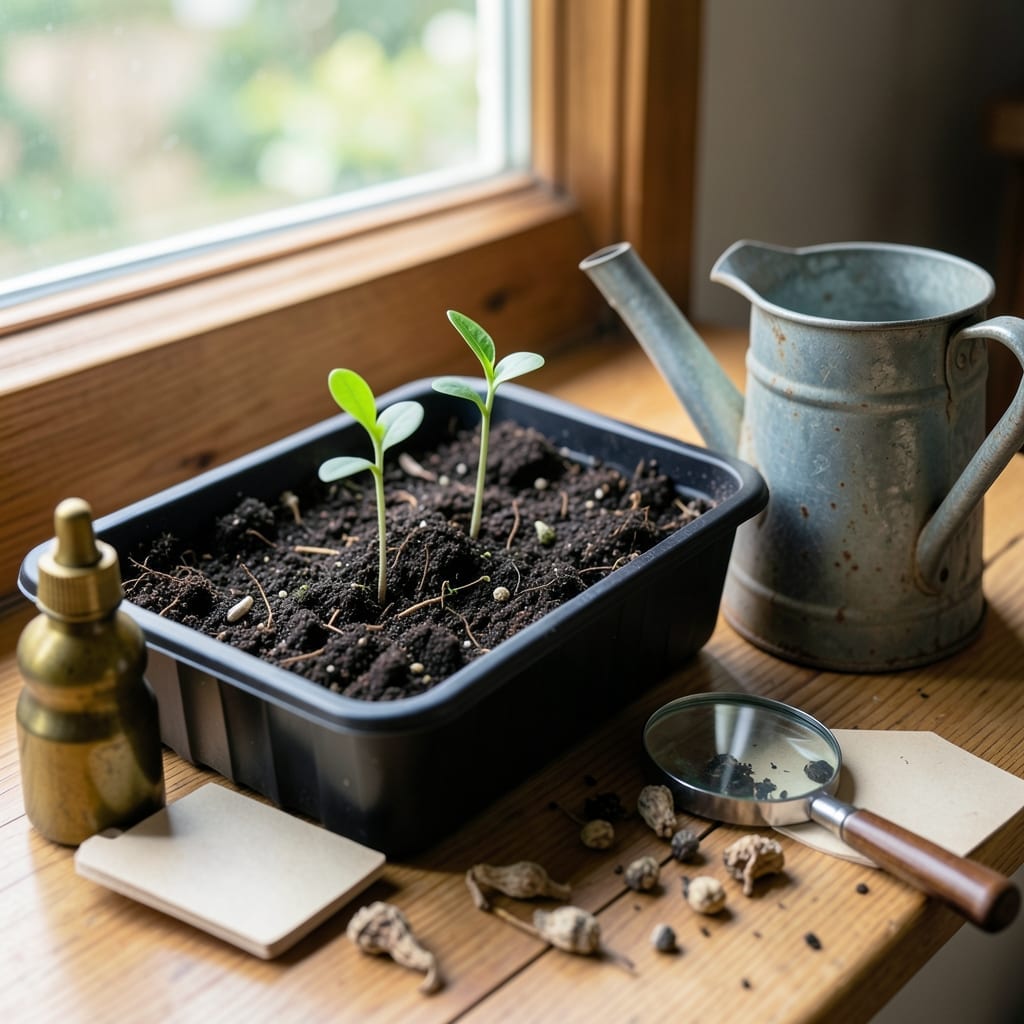
Empty seed trays are the worst kind of gardening letdown. I’ve stared at barren soil for 2 weeks too many times, wondering what went wrong this time.
Turns out most germination failures come down to four simple things: old seeds, wrong temperature, too much water, or soil that’s packed too tight. Fix these and you’ll see sprouts.
My breakthrough came when I started testing seed age first—anything older than 2-3 years often won’t sprout, no matter what else you do right.
Small adjustments make the biggest difference. A heat mat for warmth, a spray bottle instead of a watering can, and fresh seed-starting mix can turn failure into success overnight.
Understanding why seeds don’t sprout starts with recognizing the key environmental and biological factors at play. Here are the most common causes, explained simply but precisely:
Seeds need a specific temperature range to activate enzymes that break down stored nutrients and kickstart growth. Too cold (below 50°F/10°C for most species), and metabolic processes slow to a halt. Too hot (above 90°F/32°C), and proteins denature, halting germination. Check your seed packet for the ideal range—most vegetables prefer 70–85°F (21–29°C).
Moisture triggers the seed to swell and split its coat, but balance is critical. Overwatering suffocates seeds by depleting oxygen in the soil, while underwatering prevents the necessary hydration for cellular activity. Aim for consistently damp (not soggy) soil, and use a spray bottle for gentle, even hydration.
Compacted or nutrient-poor soil restricts root penetration and access to essential minerals. Seeds also struggle in heavy clay or sandy soils that either retain too much water or drain too quickly. A well-draining, loose seed-starting mix with perlite or vermiculite ensures proper aeration and moisture retention.
Seed viability declines over time—most last 1–3 years if stored properly (cool, dry, and dark). Older seeds may lack the energy reserves to sprout, while cheap or poorly stored seeds might have been exposed to moisture or heat, reducing germination rates. Always check the pack date and opt for reputable suppliers.
While some seeds (like lettuce) need light to germinate, others (such as beans) prefer darkness. Buried too deep, and light-dependent seeds won’t receive the signal to sprout. Exposed to direct sunlight too early, and delicate seedlings can desiccate. Follow planting depth guidelines—usually 2–3 times the seed’s width.
If your seeds aren’t sprouting, don’t give up just yet. Here are practical fixes for the most common causes, along with tips to prevent future problems.
Old or low-quality seeds often lose viability. To check, perform a float test: Drop seeds in water—if they sink, they’re likely still good. If they float, it’s time to replace them. Always buy from reputable suppliers and store seeds in a cool, dry place to extend their shelf life.
Prevention tip: 💡 Label seeds with the purchase date and use them within 1-2 years for best results.
Seeds need consistent moisture to germinate, but too much water can drown them or promote rot. Use a spray bottle to keep the soil damp, not soggy. If the soil feels dry, mist it lightly. For better drainage, ensure your pots have holes at the bottom.
Prevention tip: 🎯 Cover seed trays with plastic wrap to retain moisture, but remove it once sprouts appear.
Most seeds germinate best in temperatures between 65–75°F (18–24°C). If your home is too cold, use a seedling heat mat or place trays near a warm window. Avoid direct heat sources like radiators, which can dry out the soil.
Prevention tip: 🌡️ Use a soil thermometer to monitor temperature and adjust as needed.
While seeds don’t need light to germinate, they do once they sprout. If seedlings are leggy or pale, they’re stretching for light. Move them to a bright, indirect light source or use grow lights for 12–16 hours a day.
Prevention tip: ✨ Rotate trays daily to ensure even light exposure.
Heavy or compacted soil can suffocate seeds. Use a light, well-draining seed-starting mix instead of garden soil. If reusing pots, clean them thoroughly to avoid disease.
Prevention tip: 🔥 Sterilize soil by baking it at 200°F (93°C) for 30 minutes to kill pathogens.
Try the float test: drop seeds in water. Sinking ones are likely good, while floaters may not sprout. For accuracy, test a few and observe germination rates.
No, garden soil is too dense and may contain pathogens. Use a light seed-starting mix with perlite or vermiculite for better drainage and aeration.
Leggy seedlings are stretching for light. Move them to a bright, indirect light source or use grow lights for 12–16 hours daily. Rotate trays for even exposure.
Most seeds need 65–75°F (18–24°C). Use a heat mat if your home is cooler. Avoid direct heat sources like radiators.