
Beautiful Plants For Your Interior
Beautiful Plants For Your Interior
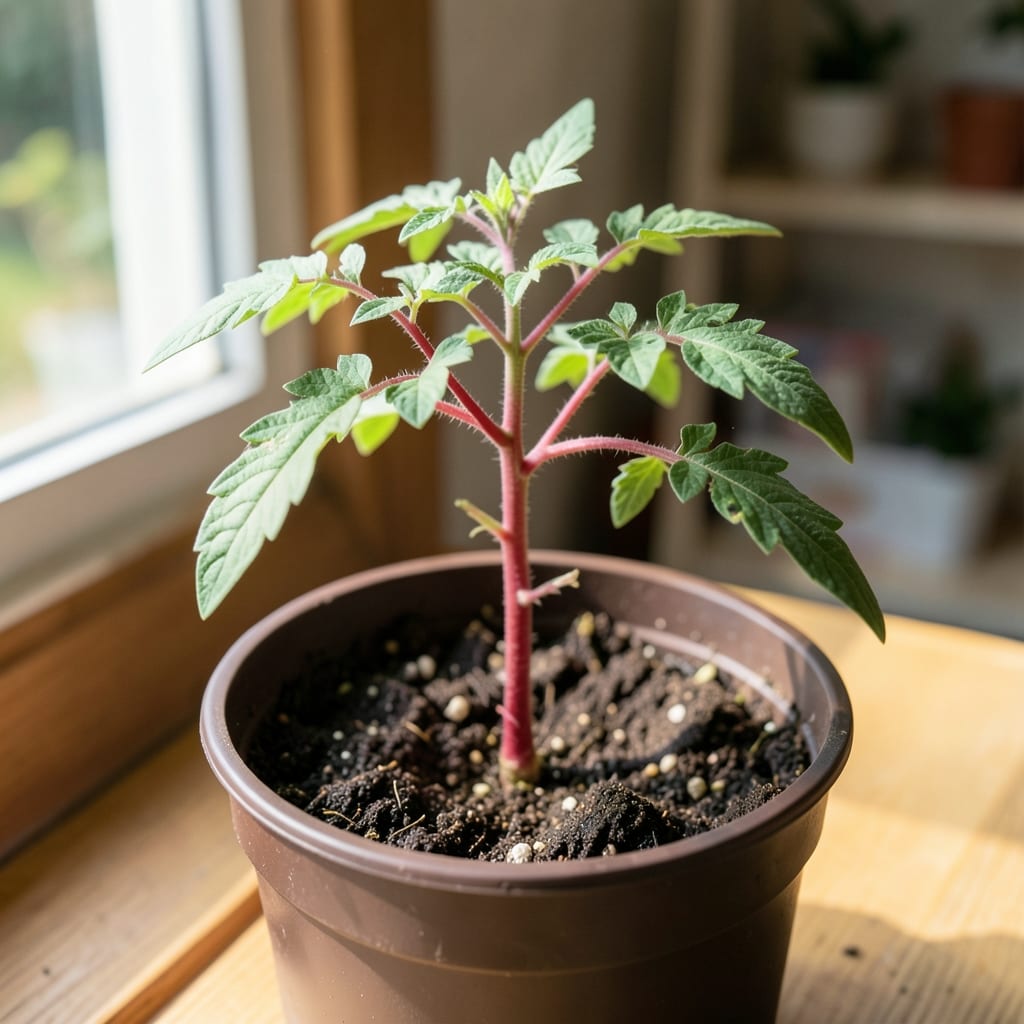
Red stems on seedlings had me worried the first time I noticed it in my trays. Turns out, it’s often just nature’s way of protecting them—like a plant sunscreen.
Sometimes it signals a light issue or phosphorus shortage, but don’t panic. Most of my seedlings outgrow it once they get 12-14 hours of good light daily.
Adjusting the setup usually fixes it fast. I moved my last batch closer to the grow lights and saw greener stems within a week.
Simple tweaks make all the difference. Here’s what works for my backyard starts every season.
Red stems in seedlings often signal underlying stress or environmental factors. Below are the most common causes, explained scientifically to help you diagnose and fix the issue.
Cold temperatures slow chlorophyll production, causing anthocyanin (a red pigment) to dominate in stems. This is a survival mechanism to protect cells from cold damage. Seedlings exposed to temps below 50°F (10°C) often develop reddened stems.
Intense light, especially UV rays, can trigger anthocyanin buildup as a protective response. Seedlings under grow lights too close or in direct sunlight without acclimation may show red stems. This pigment acts like sunscreen for the plant.
A deficiency in phosphorus or an excess of nitrogen can lead to red stems. Phosphorus is critical for energy transfer, and its absence forces the plant to redirect resources, often resulting in pigment changes. Over-fertilizing with nitrogen can also disrupt normal growth.
Some plant varieties, like certain tomato or pepper seedlings, naturally produce red stems due to their genetic makeup. This is harmless and doesn’t indicate stress. Check seed packets or plant descriptions for breed-specific traits.
Both overwatering and underwatering can stress seedlings, leading to red stems. Overwatering suffocates roots, while underwatering limits nutrient uptake. Consistent moisture—not soggy soil—is key.
If your seedlings are sporting red stems, don’t panic—this issue is often easy to correct. Here’s how to address the most common causes and restore healthy green growth.
If intense light is the culprit, move seedlings to a spot with bright but indirect light. A sheer curtain can diffuse harsh sunlight, or shift them a few inches farther from grow lights. Aim for 12–16 hours of gentle light daily.
Seedlings in cold conditions develop red stems as a stress response. Keep the growing area consistently between 65–75°F (18–24°C). Use a heat mat if needed, and avoid placing trays near drafty windows or cold floors.
Red stems can signal a lack of phosphorus or magnesium. Switch to a balanced, water-soluble fertilizer (like 10-10-10) and apply at half-strength weekly. For organic growers, compost tea or fish emulsion works well.
When seedlings compete for light and nutrients, stems stretch and turn red. Thin seedlings so each has 2–3 inches of space, or transplant to individual pots. This improves airflow and reduces stress.
Prevention Tips: Start with quality seedling mix, avoid overwatering, and monitor light and temperature from day one. A little attention early on keeps stems green and sturdy!
Yes! Some varieties like certain tomatoes or peppers naturally develop red stems. Check your seed packet for breed-specific traits.
If your growing area drops below 50°F (10°C), cold is likely the cause. Move seedlings to a warmer spot between 65-75°F (18-24°C) to fix it.
Over-fertilizing with nitrogen can trigger red stems. Switch to a balanced fertilizer at half-strength weekly instead.
New growth will be green, but existing red stems won’t change. Focus on correcting the issue to ensure healthy future development.