
Beautiful Plants For Your Interior
Beautiful Plants For Your Interior
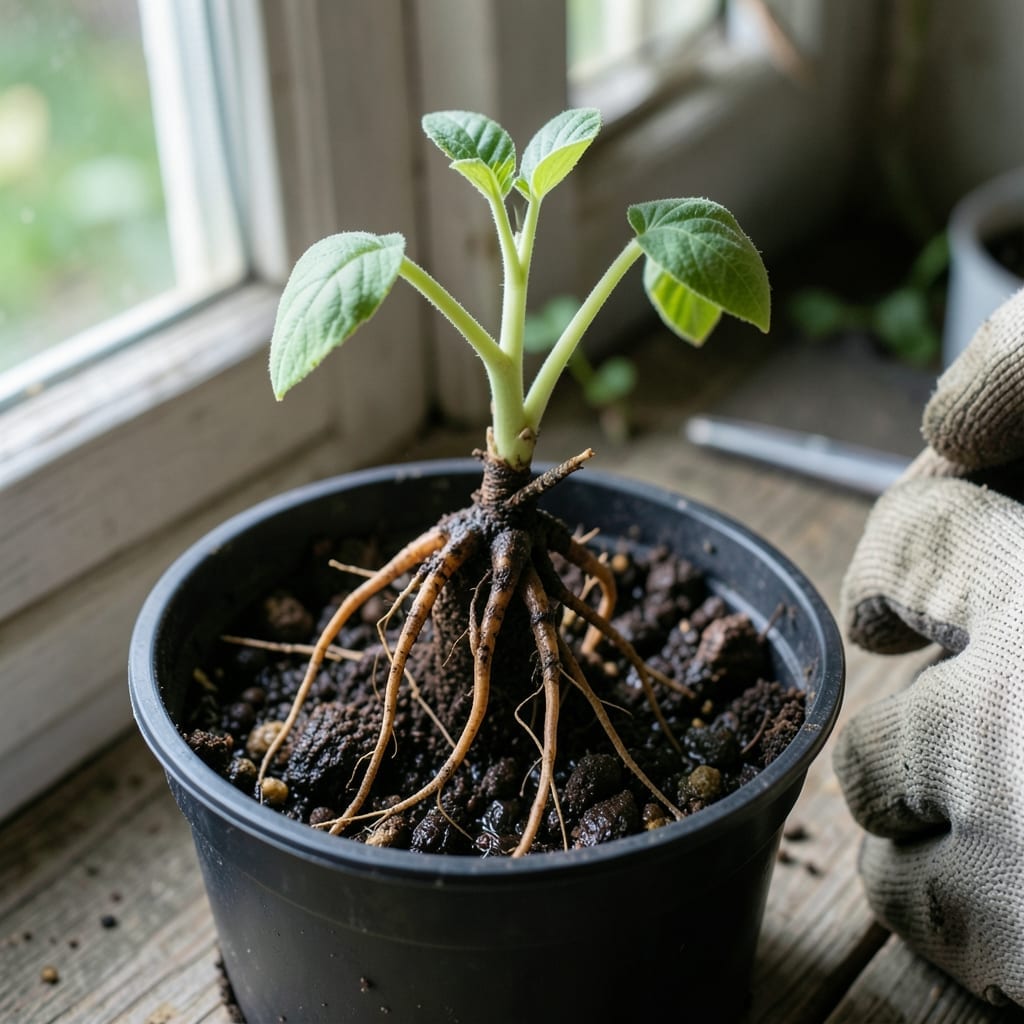
I lost an entire tray of tomato seedlings to root rot last spring. 🌱 It starts with wilting leaves that don’t perk up after watering, then the stems turn mushy at the base. By the time you notice, it’s often too late.
Overwatering is the usual suspect, but soggy soil isn’t the only culprit. Poor drainage, contaminated tools, or even the wrong container can create the perfect conditions for this silent killer.
Here’s the thing—early detection saves plants. Yellowing leaves, stunted growth, or a foul smell from the soil are your first warnings. Act fast with these fixes, and you can still salvage your seedlings.
Prevention is simpler than you think: well-draining soil, clean tools, and a watering schedule that lets the top inch dry out. No more heartbreak this season.
Root rot in seedlings is a silent killer, often striking before you even notice. The problem typically stems from a few key environmental and biological factors. Below, we break down the most common causes so you can address them proactively.
Excess moisture is the #1 culprit behind seedling root rot. When soil stays soggy, it suffocates the roots, preventing them from absorbing oxygen. This creates the perfect anaerobic environment for Pythium, Phytophthora, and other water-mold fungi to thrive. Seedlings in poorly draining pots or heavy clay soils are especially vulnerable. Actionable fix: Use well-draining soil mixes and containers with drainage holes. Water only when the top inch of soil feels dry.
Cold soil slows root metabolism, making seedlings more susceptible to fungal and bacterial infections. Temperatures below 60°F (15°C) can stunt root growth and weaken their natural defenses. Pathogens like Fusarium and Rhizoctonia exploit this sluggish state, leading to rot. Actionable fix: Use heat mats or start seeds indoors where temperatures are consistently warm (70–80°F or 21–27°C).
Root rot is often caused by soil-borne pathogens that attack weakened or stressed seedlings. Pythium (damping-off fungus) is a major offender, thriving in wet, cool conditions. Bacterial pathogens like Erwinia can also cause soft, mushy roots. These microbes spread through contaminated soil, tools, or even water. Actionable fix: Sterilize seed-starting mixes by baking soil at 200°F (93°C) for 30 minutes or use commercially sterilized potting mix. Avoid reusing soil from previous infected plants.
Dense, compacted soil restricts root growth and airflow, trapping moisture and encouraging rot. Seedlings in garden soil (which often contains pathogens) or old, degraded potting mix are at higher risk. Actionable fix: Use a lightweight, sterile seed-starting mix with perlite or vermiculite to improve aeration. Loosen the soil gently around seedlings to promote drainage.
Root rot in seedlings is often fixable if caught early. Below are targeted solutions for the most common causes, along with prevention tips to keep your young plants healthy and thriving.
If soggy soil is the culprit, stop watering immediately and let the top 1-2 inches of soil dry out before the next watering. Use a moisture meter or stick your finger in the soil to check. For severe cases, repot the seedlings in fresh, well-draining soil. To prevent recurrence, water only when the soil feels dry and ensure pots have drainage holes.
Seedlings in compacted or clay-heavy soil suffocate easily. Mix in perlite, sand, or vermiculite to improve aeration. If the container lacks drainage holes, transplant to a pot with holes or add a layer of gravel at the bottom. Prevention tip: 💡 Always use containers with drainage and a light, airy potting mix for seedlings.
Fungal root rot requires swift action. Remove affected seedlings to prevent spreading. Treat remaining plants with a copper-based fungicide or a natural option like hydrogen peroxide (1 tsp per cup of water) applied to the soil. Prevention tip: ✨ Sterilize tools and pots with a bleach solution (1 part bleach to 9 parts water) before reuse.
Cold soil slows root growth, making seedlings vulnerable. Move pots to a warmer location (65–75°F is ideal) or use a seedling heat mat. If the soil is compacted, gently loosen it with a fork to improve airflow. Prevention tip: 🌡️ Start seeds indoors in a controlled environment to avoid cold stress.
Too much fertilizer can burn roots, while too little weakens seedlings. Flush the soil with water to remove excess salts, then resume with a diluted, balanced fertilizer (e.g., 10-10-10 at half strength). Prevention tip: 🎯 Feed seedlings lightly—once every 2 weeks is plenty for most varieties.
Look for wilting leaves that don’t recover after watering, yellowing foliage, or mushy stems at the base. A foul odor from the soil is another red flag.
Use a lightweight, sterile seed-starting mix with perlite or vermiculite. Avoid garden soil, which often harbors pathogens and compacts easily.
Only after thorough sterilization. Wash pots with a 1:9 bleach-to-water solution to kill lingering fungi or bacteria. Never reuse soil from infected plants.
Water only when the top 1-2 inches of soil feel dry. Overwatering is the most common cause, so err on the side of underwatering.