
Beautiful Plants For Your Interior
Beautiful Plants For Your Interior
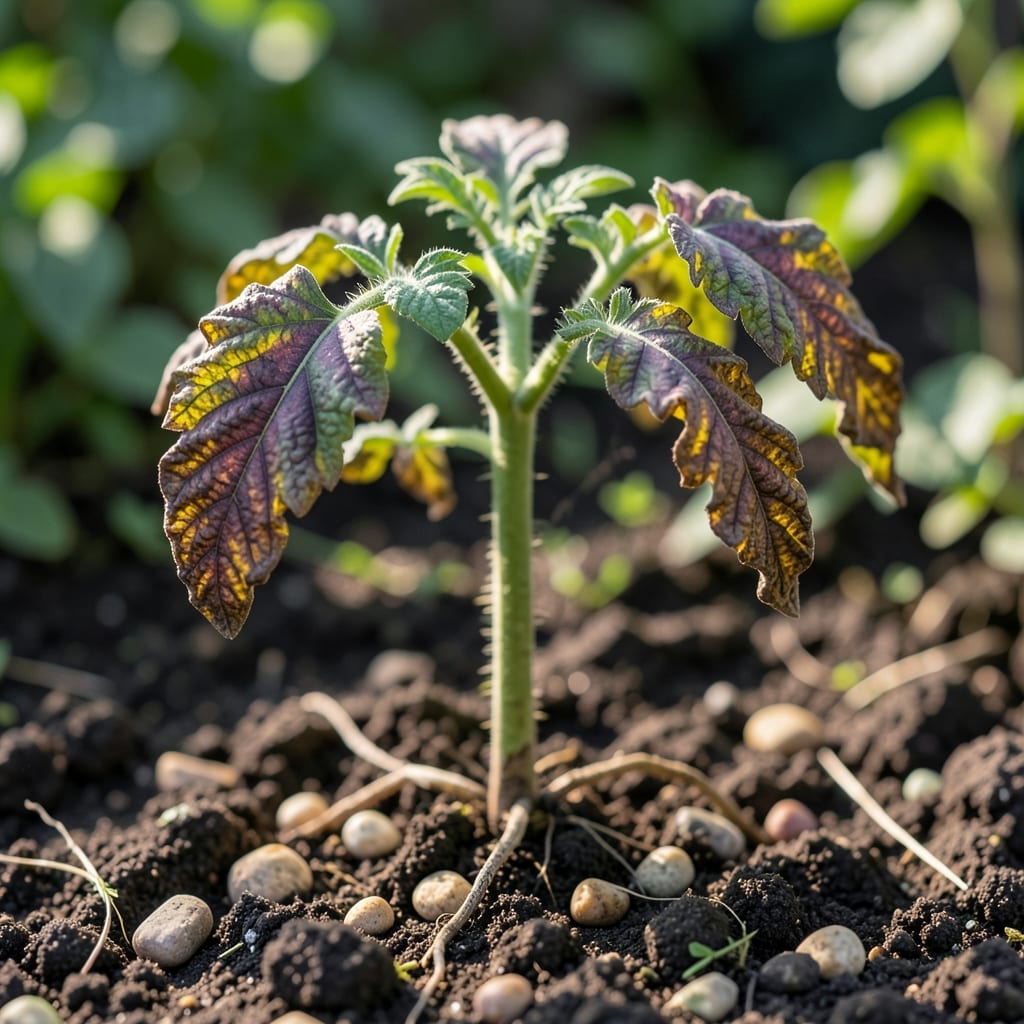
Nothing kills a gardener’s buzz like watching healthy seedling leaves suddenly curl into tight little spirals. I’ve been there—staring at sad, twisted foliage and wondering if my whole tray was doomed.
Here’s the thing—leaf curl isn’t a death sentence. It’s your plant’s way of screaming for help, and the causes are usually fixable. Overwatering, pests, or even too much love from the sun can trigger it.
I’ll be real with you: most cases clear up within 48 hours of the right fix. The key is diagnosing fast and acting faster. No fancy tools required—just sharp eyes and simple remedies.
Works for tomatoes, peppers, herbs—anything you’re starting from seed. Let’s save those seedlings.
Seedling leaf curl is often a distress signal from your young plants. Understanding the underlying causes helps you address the issue effectively and restore your seedlings to health.
Extreme temperatures, either too hot or too cold, can cause physiological stress in seedlings, leading to leaf curl. High heat accelerates transpiration, causing the plant to lose water faster than it can absorb, while cold snaps disrupt cellular function. Maintain a consistent temperature range (65–75°F for most seedlings) and avoid placing them near drafts or direct heat sources.
Both overwatering and underwatering trigger leaf curl. Overwatering suffocates roots, reducing oxygen uptake and nutrient absorption, while underwatering leads to dehydration and wilting. Check soil moisture by inserting your finger an inch deep—water only when the topsoil feels dry. Ensure pots have drainage holes to prevent root rot.
Pests like aphids, whiteflies, or spider mites feed on sap, weakening the plant and causing leaves to curl as a defensive response. Inspect the undersides of leaves for tiny insects or webbing. Introduce natural predators (e.g., ladybugs) or use a mild neem oil spray to deter them without harsh chemicals.
A lack of essential nutrients, particularly calcium, magnesium, or potassium, can manifest as curled leaves. Calcium deficiency often causes new growth to distort, while magnesium shortage leads to interveinal chlorosis (yellowing between veins) and curling. Use a balanced, organic fertilizer or amend soil with compost to replenish missing nutrients.
Fungal or viral infections, such as powdery mildew or mosaic viruses, may induce leaf curl. Fungal spores thrive in humid, poorly ventilated conditions, while viruses spread through contaminated tools or pests. Improve airflow, avoid overhead watering, and remove infected plants promptly to prevent spread. Copper-based fungicides can help manage fungal issues organically.
When your seedlings start showing curled leaves, quick and targeted action can save them. Below are proven fixes for the most common causes, plus tips to keep your young plants thriving.
If excessive heat is the culprit, move your seedlings to a cooler spot with indirect light. Use shade cloth or adjust grow lights to maintain a steady temperature (ideally 65–75°F). Water in the early morning to prevent rapid evaporation, and ensure containers aren’t placed on hot surfaces like concrete.
Prevention tip: 💡 Use a small fan to improve air circulation and monitor temperatures with a thermometer.
Check soil moisture by sticking your finger an inch deep. If dry, water thoroughly but gently; if soggy, let the soil dry out slightly before watering again. Ensure pots have drainage holes to prevent root rot. For overwatered seedlings, reduce frequency and increase airflow to help roots recover.
Prevention tip: 🌱 Use a well-draining potting mix and water only when the top inch of soil feels dry.
Inspect leaves for aphids, mites, or whiteflies—common pests that cause curling. Spray affected seedlings with a mild soap-water solution (1 tsp mild soap per quart of water) or neem oil, focusing on the undersides of leaves. Repeat every 3–4 days until pests are gone.
Prevention tip: 🛡️ Introduce beneficial insects like ladybugs or use yellow sticky traps to catch pests early.
Yellowing or curling leaves may signal a lack of nitrogen, magnesium, or potassium. Apply a balanced, organic liquid fertilizer (diluted to half strength) to avoid overwhelming young roots. For magnesium, add a teaspoon of Epsom salt per gallon of water and spray lightly on leaves.
Prevention tip: ✨ Test your soil before planting and amend with compost for a nutrient-rich start.
Strong winds or transplant shock can cause temporary curling. Shield seedlings with a windbreak or cloche, and avoid moving them unnecessarily. If recently transplanted, provide shade for a few days to reduce stress.
Prevention tip: 🎯 Harden off seedlings gradually by exposing them to outdoor conditions for short periods before permanent planting.
Most seedlings recover within 24-48 hours after addressing the issue. Environmental stress fixes show results fastest, while nutrient deficiencies may take 3-5 days to improve.
Yes! Too much fertilizer creates salt buildup that damages roots, causing leaves to curl from stress. Always dilute to half strength for seedlings and fertilize sparingly.
Mild cases often straighten out completely. Severely damaged leaves may stay curled, but new growth will be healthy if you’ve fixed the underlying cause.
Only if caused by pests or diseases. Environmental or nutrient-related curl won’t spread, but pest infestations or fungal issues can jump to nearby plants quickly.