
Beautiful Plants For Your Interior
Beautiful Plants For Your Interior
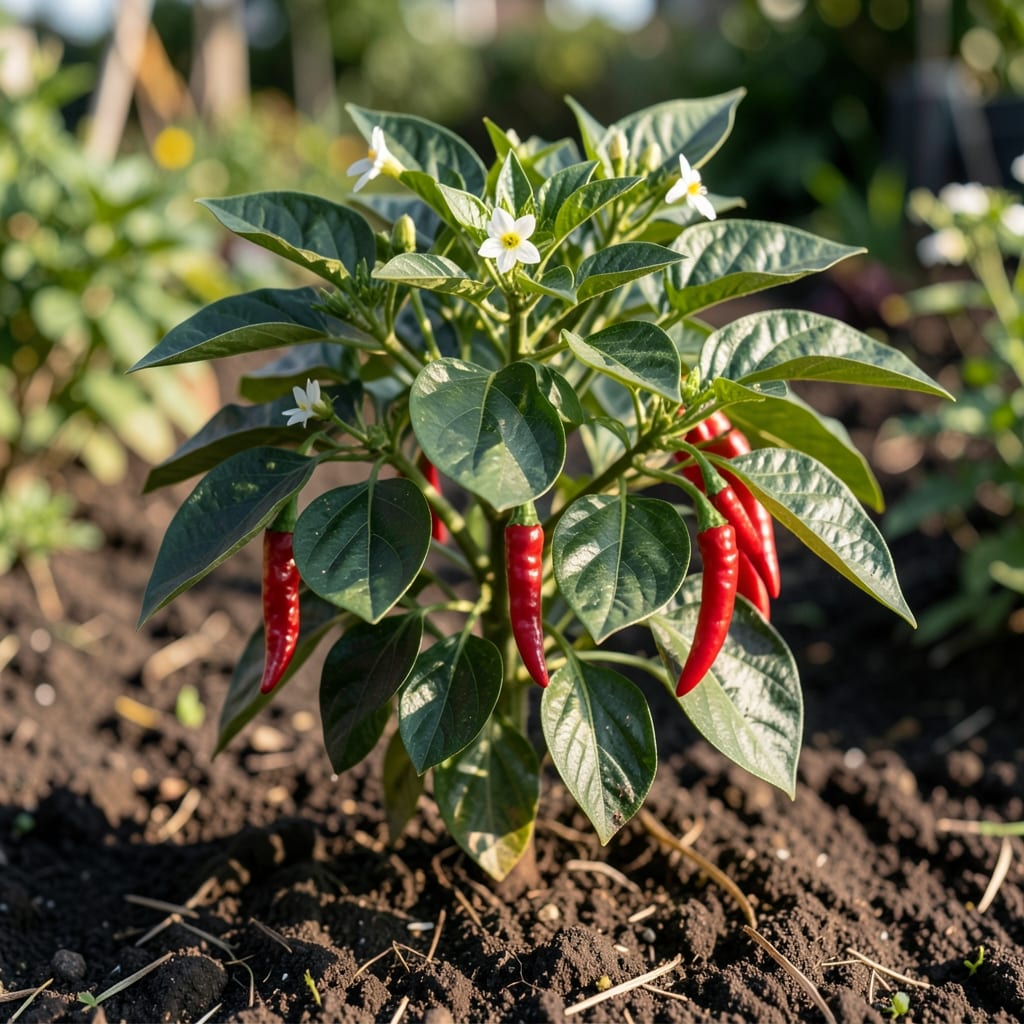
Those vibrant green leaves on your scorpion peppers might look harmless, but they pack the same heat as the fruit. I learned this the hard way after touching my face mid-pruning.
Safe handling means gloves, long sleeves, and washing up immediately after contact. Even a tiny amount of capsaicin on your skin can cause serious irritation, and it’s worse if it gets near your eyes or mouth.
📚 In This Guide
Here’s how I safely handle these plants to avoid any irritation or accidental exposure.
Always put on nitrile gloves before working with this plant. The oils on the leaves can cause skin irritation, and you won’t feel it until it’s too late. I learned this the hard way after a single bare-handed pruning session left me with a burning rash for hours.
Long sleeves and safety glasses are smart if you’re doing extensive pruning or harvesting. Even brushing against the foliage can transfer oils to your skin. The leaves look harmless, but they pack the same capsaicin punch as the peppers themselves.
Choose a well-ventilated area, but avoid windy conditions where leaves might blow toward your face. I set up a dedicated table in my garage with a small fan for air circulation. This keeps the oils from lingering in the air where they could irritate your eyes or throat.
Lay down newspaper or a plastic sheet to catch any fallen leaves or debris. This makes cleanup easier and prevents accidental contact later. The oils can remain potent on surfaces for days, so immediate disposal of any plant material is crucial.
Use sharp pruning shears to make clean cuts, and avoid tearing the stems, which releases more oils. I hold the plant by the main stem, not the leaves, and I always cut away from my body. This simple habit prevents accidental contact with the most concentrated parts of the plant.
Place all trimmings directly into a sealed plastic bag for disposal. Never compost scorpion pepper leaves—the capsaicin persists and can contaminate your compost pile. Double-bagging is wise if you’re handling a large quantity.
Remove your gloves carefully by peeling them off inside-out to avoid touching the contaminated exterior. Dispose of them in the same bag as your plant trimmings. Then wash your hands with soap and warm water for at least 20 seconds, paying special attention to under your nails.
Wipe down your tools and work surface with rubbing alcohol or a bleach solution. I keep a spray bottle of isopropyl alcohol handy for this exact purpose. The oils are stubborn, but alcohol cuts through them effectively where soap and water might not.
If you experience any burning sensation on your skin, wash the area immediately with soap and cool water. For eye exposure, rinse with cool water for 15 minutes and seek medical attention if irritation persists. I always keep a bottle of saline solution in my gardening kit for emergencies.
Watch for symptoms like excessive tearing, coughing, or difficulty breathing, which could indicate more serious exposure. These plants demand respect, and it’s always better to over-prepare than to learn a painful lesson. The capsaicin in these leaves is no joke, but with the right precautions, you can work with them safely.
These precautions will help you avoid painful mistakes when working with scorpion pepper plants.
Gear Essentials: Never skip the nitrile gloves in Step 1—regular latex or cloth gloves won’t protect you from the capsaicin oils. I keep a dedicated pair just for these plants to avoid cross-contamination. Long sleeves and safety glasses aren’t overkill; even a tiny drop of oil in your eye can cause severe irritation.
Environment Control: In Step 2, that small fan makes a bigger difference than you’d think. Without proper ventilation, the oils can linger in the air and settle on surfaces, creating invisible hazards. I once made the mistake of working near an open window on a breezy day and ended up with burning eyes from airborne particles.
Disposal Safety: Double-bagging in Step 3 isn’t just for large quantities—it’s smart practice every time. The capsaicin on these leaves remains active for days, and a single bag can tear or leak. Never compost the trimmings; the heat of composting won’t break down the capsaicin, and you risk contaminating your entire compost pile.
Cleanup Thoroughness: Those 20 seconds of handwashing in Step 4 are non-negotiable. Use warm water and plenty of soap, and don’t forget under your nails where oils love to hide. For tools, rubbing alcohol works better than soap and water for cutting through the oily residue that can remain on pruning shears or work surfaces.
Yes, scorpion pepper leaves can be toxic due to capsaicin. Avoid eating them raw or in large amounts, as they may cause irritation or digestive issues.
No, the leaves lack the heat and flavor of the peppers. Stick to the actual peppers for cooking or seasoning.
Wear gloves when touching scorpion pepper plants to avoid skin irritation. Wash hands thoroughly after handling.
Drink milk or eat yogurt to help neutralize capsaicin. Seek medical help if irritation or symptoms persist.
They can be composted or used as a natural pest deterrent in gardening, but avoid direct consumption.