
Beautiful Plants For Your Interior
Beautiful Plants For Your Interior
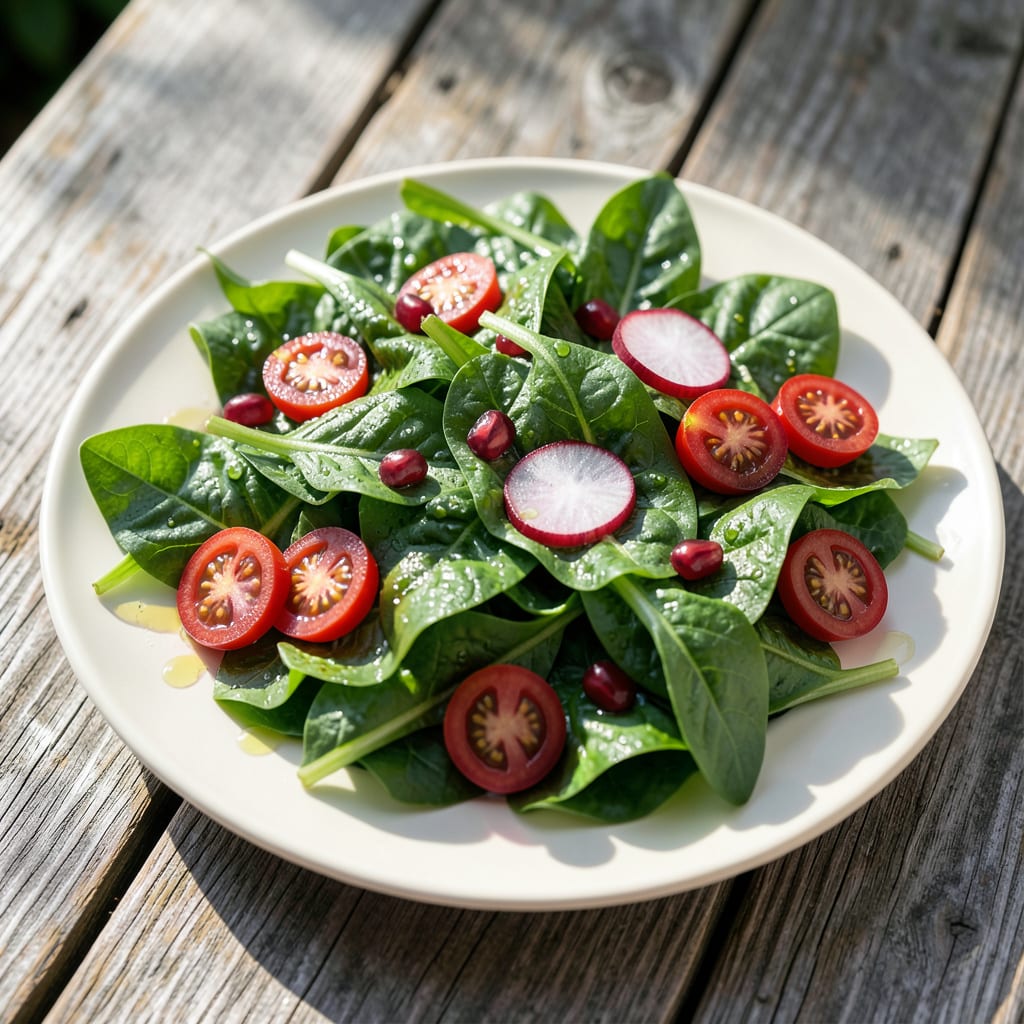
Red streaks on green leaves had me worried the first time I saw them. Turns out, it’s often your plant’s way of saying it needs a little help.
Phosphorus deficiency, too much sun, or even temperature swings can cause this. I’ve fixed it with simple adjustments like balanced fertilizer or moving pots to shadier spots. Your garden can bounce back faster than you think.
📚 In This Guide
Here’s my reliable approach to identifying the cause and restoring healthy green color to your plants.
Start by examining the affected leaves closely under natural light. Note whether the red appears as veins, spots, or overall tinting. I always check both old and new growth—red on older leaves often signals phosphorus deficiency, while red on new leaves suggests magnesium or potassium issues.
Look at the undersides too. Some natural varieties like certain coleus or red-veined sorrel display red as part of their genetics. If the color appears uniform and the plant seems healthy otherwise, it might just be the plant’s normal appearance.
Excessive sunlight can cause reddening as a stress response, especially in plants not adapted to full sun. If leaves closest to a window or under grow lights show red first, light intensity is likely the culprit. I’ve seen this often with seedlings too close to fluorescent bulbs.
Temperature extremes trigger color changes too. Red edges on leaves often appear when plants experience temperatures below 50°F or above 85°F. Check your thermometer and adjust plant placement accordingly.
Both overwatering and underwatering can stress plants enough to produce red pigments. Stick your finger 1 inch deep into the soil—if it feels bone dry, the plant needs water. If it feels soggy, you’re watering too frequently.
I’ve found that inconsistent watering causes more reddening than consistent over- or under-watering. Aim for soil that stays evenly moist but never waterlogged. Terra cotta pots dry out faster than plastic, so adjust your schedule based on container type.
Nutrient deficiencies often manifest as color changes. A simple soil test reveals if you’re lacking phosphorus (reddish-purple leaves), magnesium (red between veins), or potassium (red leaf edges). I use a basic home test kit for quick results.
For phosphorus deficiency, work bone meal into the top 2-3 inches of soil. For magnesium, apply Epsom salts (1 tablespoon per gallon of water) as a foliar spray. Potassium issues respond well to greensand or wood ash worked into the soil surface.
If you’ve ruled out nutrients and water, consider other stressors. Pest damage can sometimes cause reddening at feeding sites. Check leaf undersides for spider mites or aphids, especially if you see webbing or sticky residue.
Herbicide drift from nearby lawn treatments can also cause reddening. If you suspect this, rinse the leaves with water and move the plant to a sheltered location. Most plants recover within 1-2 weeks after the stressor is removed.
These practical insights will help you accurately diagnose and address red tinting in your plants.
The Inspection Technique: In Step 1, examine leaves under natural light, not artificial, as indoor lighting can distort color perception. I learned this the hard way after misdiagnosing several plants under LED bulbs. Pay special attention to the pattern—red veins often indicate phosphorus issues, while red edges suggest potassium deficiency.
Temperature Matters: The 50°F and 85°F thresholds in Step 2 are critical. I keep a small thermometer near my plants and move them away from drafty windows or heat sources when temperatures approach these limits. Even a few hours at extremes can trigger color changes, especially in sensitive varieties.
Watering Consistency: For Step 3, inconsistent moisture is worse than consistent over- or under-watering. I set a weekly schedule but always check soil moisture 1 inch deep before watering. Terra cotta pots may need watering every 4-5 days, while plastic can go 7-8 days between waterings. Trust your finger, not the calendar.
Soil Testing Tip: In Step 4, don’t guess about deficiencies. A $15 home soil test kit saved me from over-amending my soil. When applying treatments like Epsom salts (1 tablespoon per gallon of water), do it in the evening to prevent leaf burn from the sun magnifying through water droplets.
This is often caused by nutrient deficiencies (like phosphorus), environmental stress, or fungal infections. Check soil pH and ensure proper drainage.
Not always! Mild cases may just indicate stress, but severe discoloration can signal disease. Monitor growth and treat with fungicides if spreading.
Yes! Try neem oil for fungi or Epsom salt for magnesium deficiency. Avoid overwatering and ensure good airflow.
Prune affected leaves if they’re heavily damaged or spreading disease. Use clean tools to prevent further contamination.
Tomatoes, roses, and houseplants like calatheas often show this. Identify the plant first to tailor solutions!
