
Beautiful Plants For Your Interior
Beautiful Plants For Your Interior
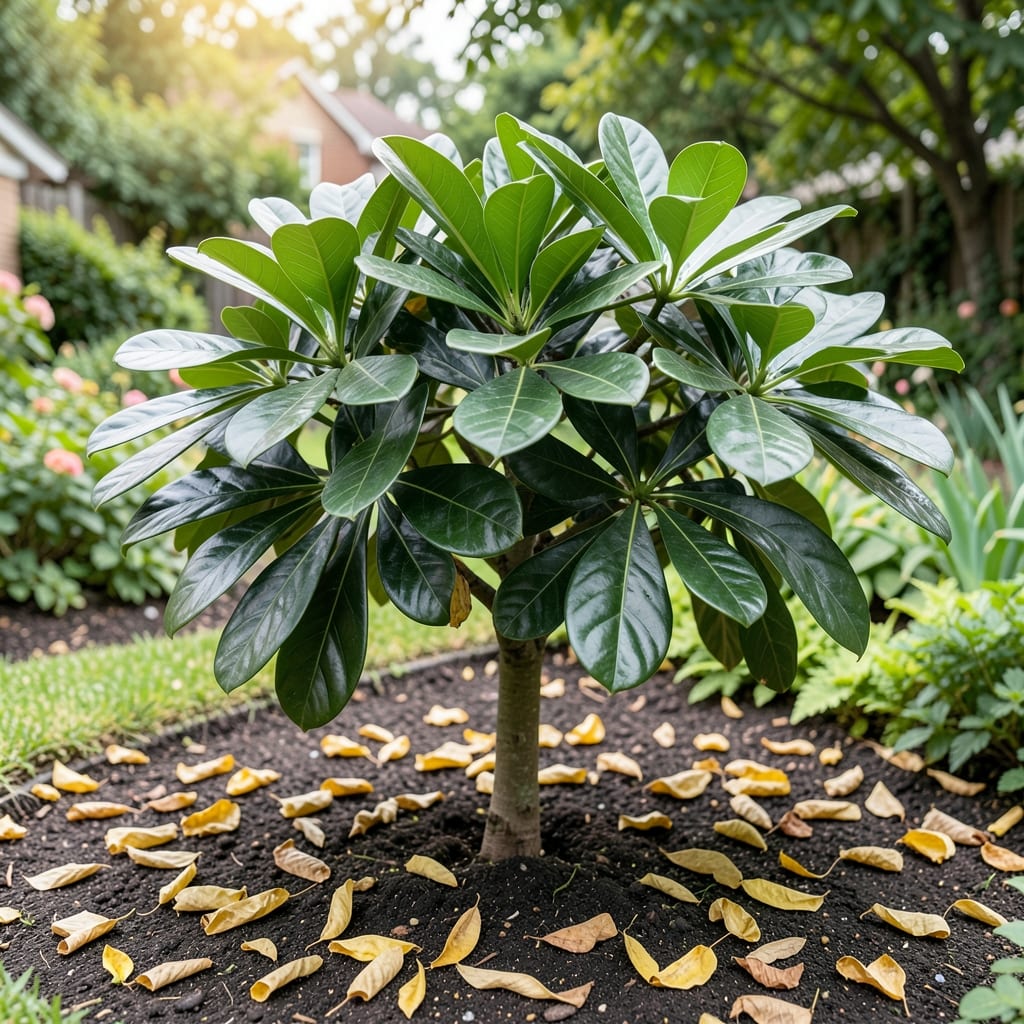
My schefflera looked fine yesterday—today it’s shedding leaves like it’s going out of style. This isn’t normal aging; it’s a plant crying for help.
Between you and me, I’ve lost count of how many scheffleras I’ve revived after sudden leaf drop. The causes are usually simple: too much or too little water, not enough light, or an uninvited pest party.
You’ll spot the problem fast with a quick check of soil moisture, light conditions, and the undersides of leaves. Most fixes take 24-48 hours to show improvement.
No green thumb required—just observation and a few adjustments. Here’s how to stop the drop and bring your plant back to life.
Schefflera leaves dropping is usually a sign of stress, and several common factors can trigger this reaction. Below are the most frequent causes, explained with actionable insights to help you diagnose the issue.
Excess water suffocates the roots, leading to root rot and preventing nutrient uptake. Schefflera plants prefer soil that dries slightly between waterings. If the soil stays soggy, the plant’s roots can’t breathe, causing leaves to yellow and drop. Check the soil moisture 2 inches deep—if it’s damp, hold off on watering.
While Scheffleras tolerate some drought, prolonged dryness causes leaf stress and loss. Dry air (common indoors) can also lead to crispy, dropping leaves. These tropical natives thrive in 40-50% humidity. If your plant’s soil is bone-dry or the air is too arid, the leaves may fall to conserve water.
Scheffleras need bright, indirect light to photosynthesize efficiently. Too little light weakens the plant, causing leaf drop as it sheds foliage to survive. Conversely, direct, harsh sunlight can scorch leaves, leading to browning and premature dropping. Aim for a spot with filtered light, like near an east- or north-facing window.
Sudden temperature swings or drafts (e.g., near AC vents, heaters, or cold windows) shock the plant. Scheffleras prefer 65–80°F (18–27°C). Exposure to temperatures below 55°F (13°C) or hot, dry air can trigger leaf drop as a stress response.
Spider mites, mealybugs, and scale insects suck sap from leaves, weakening the plant. Heavy infestations cause yellowing, wilting, and leaf drop. Inspect the undersides of leaves and stems for webbing, white cottony spots, or sticky residue (a sign of pests).
If your schefflera’s leaves are dropping, don’t panic—these fixes can bring it back to life. Address the issue quickly and your plant will likely recover. Below are targeted solutions for the most common causes.
If the soil is soggy or smells musty, stop watering immediately. Remove the plant from its pot and check the roots—trim any dark, mushy ones with clean scissors. Repot in fresh, well-draining soil and a pot with drainage holes. Prevention tip: 💡 Water only when the top 1-2 inches of soil are dry.
Dry, crispy leaves often mean thirst. Give your schefflera a deep watering until water runs out the drainage holes. For severe cases, soak the pot in a few inches of water for 10-15 minutes. Prevention tip: 🌡️ Use a moisture meter to avoid guessing—scheffleras prefer slightly moist but not waterlogged soil.
Leggy growth or leaf drop can signal insufficient light. Place your schefflera near an east- or north-facing window where it gets bright, indirect light. Rotate the pot weekly for even exposure. Prevention tip: ✨ Avoid harsh direct sun, which can scorch leaves.
Compacted or water-retentive soil suffocates roots. Repot your schefflera in a well-draining mix (e.g., potting soil + perlite or orchid bark). Ensure the pot has drainage holes. Prevention tip: 🎯 Terracotta pots help wick away excess moisture.
Check the undersides of leaves and stems for pests like spider mites or mealybugs. Wipe leaves with a soap-water solution (1 tsp mild soap per liter of water) or use neem oil. For stubborn cases, apply insecticidal soap. Prevention tip: 🔥 Inspect new plants before bringing them home to avoid contamination.
Scheffleras dislike drafts, temperature swings, or dry air. Keep it away from AC vents, heaters, or cold drafts. Use a humidifier or pebble tray to boost humidity (40-50% is ideal). Prevention tip: 🌿 Group plants together to create a microclimate with higher humidity.
Water when the top 1-2 inches of soil are dry. Typically, this means every 7-10 days, but adjust based on humidity and light. Always check soil moisture first to avoid overwatering.
Place it in bright, indirect light, like near an east- or north-facing window. Avoid harsh direct sun, which can scorch leaves, or deep shade, which causes weak growth.
Wipe leaves with a soap-water solution or use neem oil. For severe infestations, apply insecticidal soap. Inspect new plants to prevent spreading.
Yes! Keep it in 65–80°F and away from drafts, AC vents, or heaters. Sudden temperature swings stress the plant, leading to leaf loss.