
Beautiful Plants For Your Interior
Beautiful Plants For Your Interior
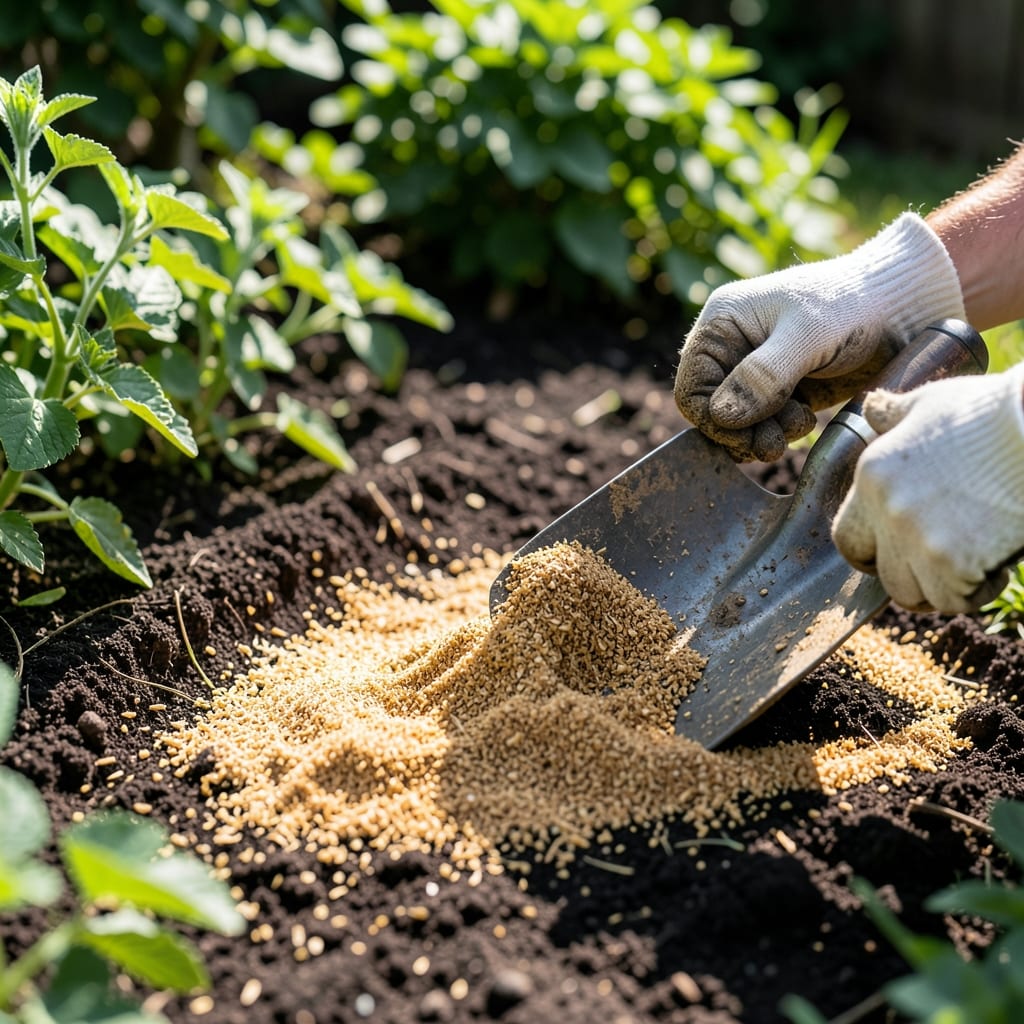
Sawdust can improve soil structure and moisture retention but may deplete nitrogen if not aged. Use it as mulch or compost additive in moderation for best results.
I’ve seen sawdust work wonders in garden beds by breaking up heavy clay and helping sandy soil hold water better. Fresh sawdust can tie up nitrogen as it decomposes, so I always age it first or mix in extra compost to balance the ratio. It’s also fantastic for pathways or as a top dressing to suppress weeds naturally. ✨
What’s often overlooked is how it creates a cozy home for beneficial microbes once it starts breaking down. 💫
💡 In This Article
Fresh sawdust is packed with carbon—often 40-50% by dry weight—which is fantastic for soil structure but throws off the carbon-to-nitrogen balance. Microbes need 25-30 parts carbon to every 1 part nitrogen to break it down. Without enough nitrogen, they pull it from the soil, starving your plants. 🔥
As sawdust decomposes, it transforms physically too. The coarse texture creates air pockets that improve drainage in clay soils while boosting water retention in sandy ones. Over 6-12 months, it breaks into humus, enriching the soil with organic matter that holds 2-3x its weight in moisture. ✨
Aged sawdust (over 6 months) has already undergone partial decomposition, so it won’t rob nitrogen as aggressively. The process also releases beneficial compounds like lignin, which stimulates microbial activity. I’ve seen aged sawdust turn lifeless dirt into rich, crumbly soil in just one growing season. 💫
What most gardeners miss is the pH effect. Fresh sawdust from conifers can be slightly acidic (pH 4.5-5.5), which is great for acid-loving plants like blueberries but needs balancing with lime for most vegetables. Hardwood sawdust is closer to neutral (pH 6.0-7.0), making it safer for general use. ⚡
For best results, mix 1 part fresh sawdust with 2 parts compost or aged manure. This buffers the nitrogen demand while speeding up decomposition. The combo mimics natural forest floors, where fallen wood and leaves break down together in perfect harmony. 🌟
Fresh sawdust can rob soil of nitrogen as it decomposes. Use aged sawdust or mix it with compost to prevent nutrient depletion. Avoid using it near nitrogen-sensitive plants like tomatoes.
Apply a 1-2 inch layer around plants. For pathways, you can use up to 3-4 inches. Thicker layers can mat down and block water/air from reaching the soil.
Yes, but age it for 3-6 months first. Pine sawdust is acidic (pH 4.5-5.5) and can tie up nitrogen. It’s great for acid-loving plants but should be balanced with lime for most vegetables.
Store it in a pile for 6-12 months, turning occasionally. Mix in some compost or manure to speed up decomposition. Aged sawdust won’t rob nitrogen as aggressively.