
Beautiful Plants For Your Interior
Beautiful Plants For Your Interior
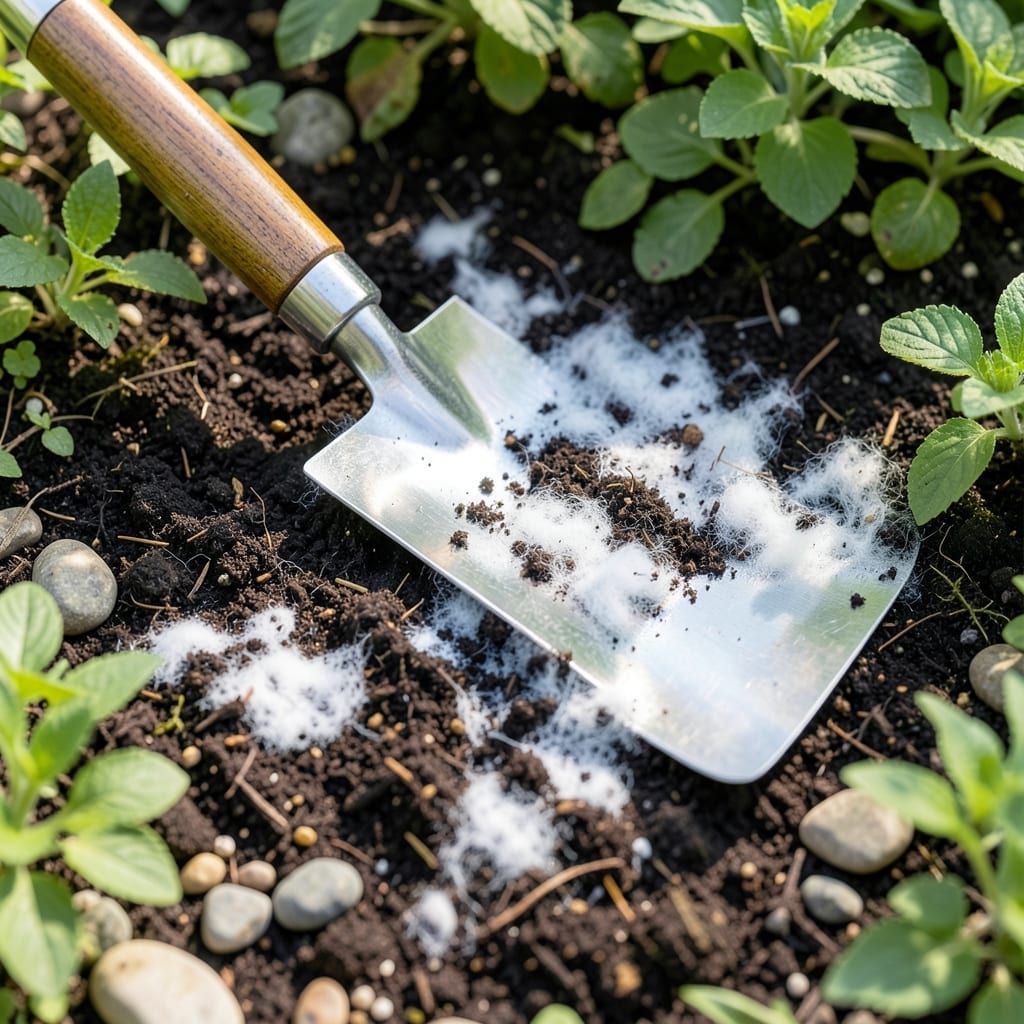
White fungus in garden soil is typically saprophytic, breaking down organic matter. It thrives in moist, shaded areas with high organic content and is usually harmless to plants.
I’ve seen this often in gardens with thick mulch or compost layers. The white threads, called mycelium, actually help decompose dead plant material into nutrients your soil can use. While it looks alarming, it’s a sign of healthy microbial activity unless it’s spreading aggressively or smells foul. 🌟
Improving airflow and reducing excess moisture usually keeps it in check. I recommend checking your watering schedule and ensuring proper drainage to prevent over-saturation.
💡 In This Article
That white, thread-like growth you see is typically mycelium, the vegetative part of fungi. It appears as fine, cottony strands or fuzzy patches, often in clusters where organic matter is abundant. This is nature’s recycling system at work, breaking down dead leaves, wood chips, and other plant debris into nutrients your soil can absorb. 🔥
Slime molds can also appear as white or grayish masses, usually after heavy rains. Unlike mycelium, they move slowly (about 1-2 inches per day) and have a jelly-like texture. These thrive in consistently damp, shaded areas with temperatures between 60-75°F.
Both types prefer soil rich in decaying material, like untreated mulch or compost that hasn’t fully decomposed.
Overwatering is the most common trigger. Soils that stay soggy for 24-48 hours create ideal conditions for white fungus to spread. Poor drainage, compacted soil, or heavy clay can trap moisture at the surface. You’ll often notice it first in low-lying areas or under dense plant canopies where airflow is limited and humidity stays high.
What most people don’t realize is that this fungus is a sign of active soil biology. In a single teaspoon of healthy soil, there can be several miles of fungal hyphae. The white strands you see are just the visible tip of a vast underground network working to improve your soil structure and nutrient availability.
✨
However, if you spot thick, crusty white growths that smell musty or rotten, this could indicate a more aggressive fungal bloom. These often appear when organic matter is buried too deeply or when nitrogen levels are imbalanced. Unlike beneficial mycelium, these can sometimes compete with plant roots for nutrients if left unchecked.
Most white fungus is harmless and actually beneficial, breaking down organic matter. It only becomes problematic if it spreads aggressively or smells foul, which may indicate poor soil conditions.
Excess moisture from overwatering or poor drainage is the main trigger. It thrives in shaded, damp areas with temperatures between 60-75°F and high organic content.
Let the top 1-2 inches of soil dry between waterings. Use cinnamon or a 1:10 hydrogen peroxide solution for existing growth, and improve airflow by thinning plants.
Not necessarily! It often indicates active soil biology. However, thick, crusty growths with a musty smell may signal an imbalance in organic matter or nitrogen levels.