
Beautiful Plants For Your Interior
Beautiful Plants For Your Interior
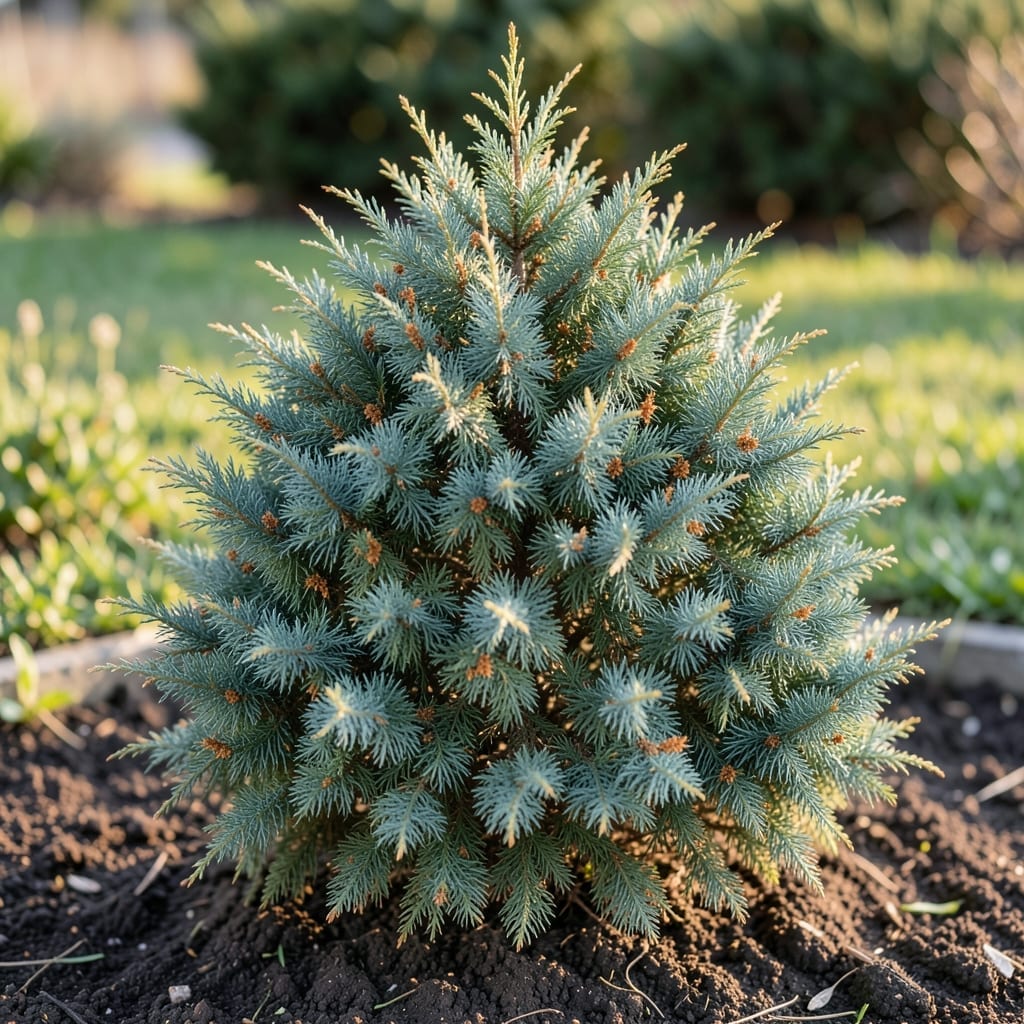
Orange pustules on your juniper’s needles aren’t just ugly—they’re a fungal alarm bell. I’ve seen healthy plants turn into eyesores overnight when rust takes hold, and it spreads faster than you’d expect.
This isn’t about blame; it’s about moisture and proximity. Juniper rust thrives in damp conditions, especially when your evergreens are planted too close to apple or crabapple trees. The fungus needs both hosts to complete its life cycle.
The good news? Early action works. Prune infected branches immediately, improve air circulation, and consider a copper fungicide if the problem persists. Prevention is simpler than cure.
Your junipers can rebound with the right care. They’re tough plants—just don’t let rust gain a foothold.
Rust on juniper is a fungal disease primarily caused by species in the Gymnosporangium genus. Here’s why it happens, broken down by the most common triggers:
Rust fungi thrive in wet, humid conditions. Prolonged leaf wetness—from rain, dew, or overhead irrigation—creates the perfect breeding ground. Junipers in poorly drained soil or crowded plantings are especially vulnerable, as air circulation is limited, trapping moisture.
Many Gymnosporangium rusts require two hosts to complete their life cycle. For example, Gymnosporangium juniperi-virginianae (cedar-apple rust) alternates between junipers and apple or crabapple trees. Spores from infected junipers spread to these alternate hosts, then return to reinfect junipers, perpetuating the cycle.
Warm winters or early springs with temperatures between 50–75°F (10–24°C) accelerate spore germination. Without a hard frost to kill overwintering spores, the fungus remains active, increasing the likelihood of infection when conditions are right.
Dense plantings or overgrown foliage restrict airflow, keeping leaves damp for extended periods. Prune junipers to improve ventilation, and space plants appropriately to reduce humidity buildup.
Some juniper species and cultivars are more prone to rust. Eastern red cedar (Juniperus virginiana) is highly susceptible, while others like Juniperus communis (common juniper) may show resistance. Always choose rust-resistant varieties when planting in high-risk areas.
Tackling rust on your juniper doesn’t have to be daunting. Below are practical solutions tailored to each cause, along with prevention tips to keep your evergreens thriving.
If rust is caused by prolonged leaf wetness, switch to drip irrigation or water at the base of the plant early in the day. This allows foliage to dry quickly, reducing fungal growth. Prevention tip: 💡 Avoid overhead sprinklers, especially in the evening.
Thick, crowded branches trap moisture and encourage rust. Thin out dense areas with clean, sharp pruners, focusing on the center of the plant. Space juniper plants at least 3–4 feet apart for better airflow. Prevention tip: ✨ Prune in dry weather to prevent fresh cuts from inviting spores.
For active infections, use a copper-based fungicide or neem oil, following label instructions. Apply in early spring or at the first sign of rust spots. Repeat every 7–10 days until the issue clears. Prevention tip: 🎯 Remove and destroy fallen leaves and debris where spores overwinter.
Stressed junipers are more susceptible. Improve vigor with balanced fertilizer (10-10-10) in early spring and ensure the soil drains well. Mulch with pine bark to maintain consistent moisture without waterlogging. Prevention tip: 🌡️ Test soil pH—junipers prefer slightly acidic to neutral (6.0–7.5).
Fungal spores can spread via dirty pruners or shears. Disinfect tools between cuts with a 10% bleach solution or rubbing alcohol. Prevention tip: 🔥 Sterilize tools after every use to stop cross-contamination.
With consistent care, your juniper can recover its lush, green beauty—rust-free!
Yes, it can spread to nearby apple or crabapple trees. These are alternate hosts in the rust life cycle. Remove infected branches immediately to prevent spores from traveling.
Under wet, humid conditions, rust can spread rapidly within 1-2 weeks. Warm temperatures between 50-75°F accelerate spore production. Act quickly at the first orange pustules.
Prune out all infected branches and apply copper fungicide. Severe cases may require removal to protect other plants. Prevention is easier than cure.
Rarely does rust kill mature junipers, but it weakens them and reduces vigor. Young or stressed plants are more vulnerable to severe damage.